Ángel Víctor Torres and the Political Storm in Telde: Just How Far Does the Collateral Damage Reach?
What promised to be just another summer in the municipal politics of Telde has blown up. I've been covering news in the Canary Islands for thirty years, and I've rarely seen a storm so perfectly orchestrated to wear down an opponent. The name hanging over every conversation, the epicentre of the quake, is, unsurprisingly, Ángel Víctor Torres. Make no mistake: although the dust is settling in Telde for now, the shrapnel is aimed straight at the regional government headquarters.
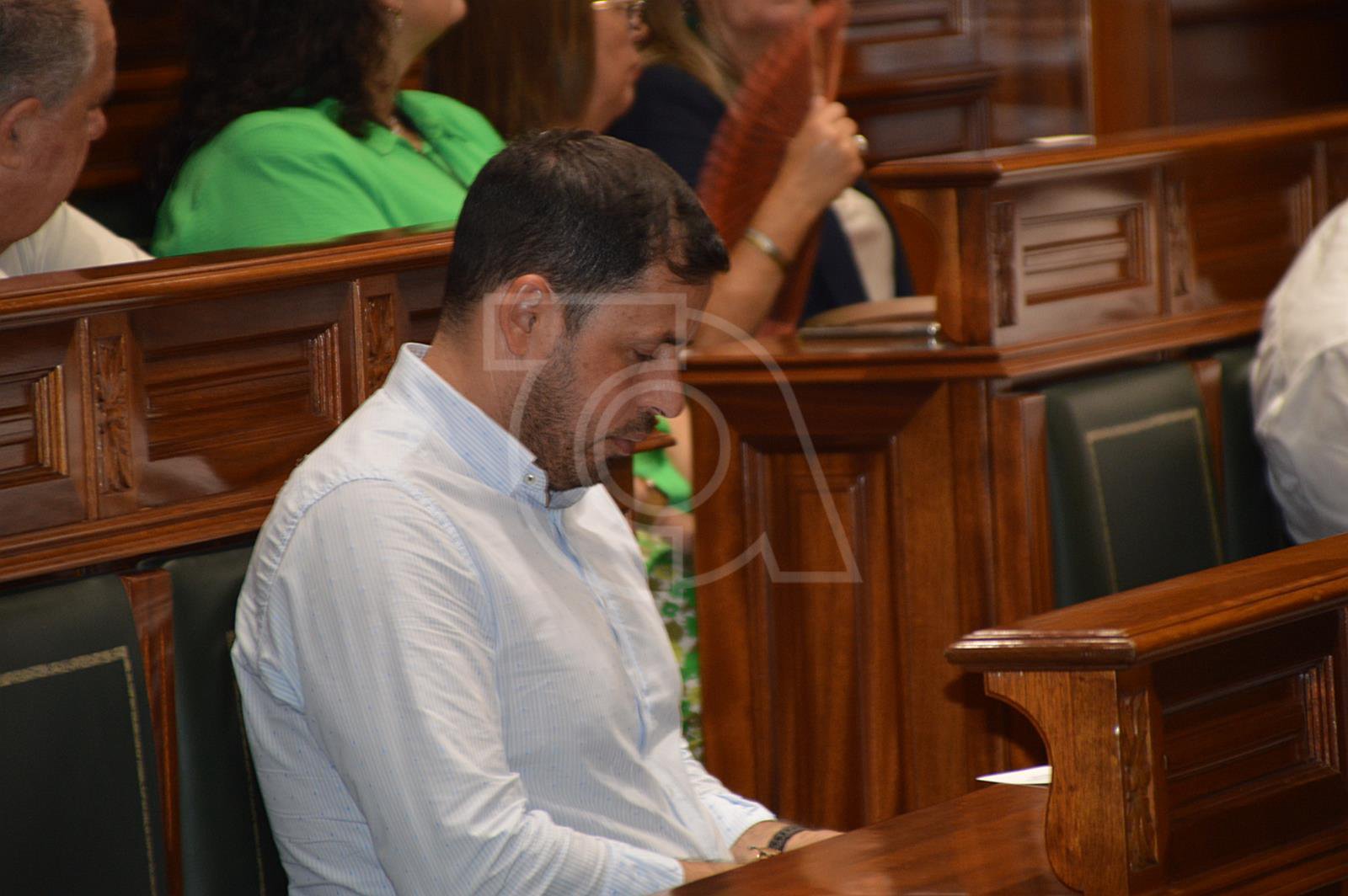
The Target Was Torres, the Shot Fired from Telde
It all started, as is often the case, with a flank attack. The machinery of the so-called "far-right press" or "ultra media," as some political analysts define it, zeroed in on Telde. The immediate target? Councillor Héctor Suárez. But any political poker player knows you don't put pressure on a minor pawn without aiming to check the king. And the king here, the one who takes the real hit if this operation succeeds, is the Secretary-General of the PSOE in the Canaries and President of the Canary Islands Government, Ángel Víctor Torres.
The strategy was as old as it was effective: tie a former mayor of Telde to the alleged scheming of a well-known national corruption network. The accusation, levelled without conclusive proof by digital media outlets with questionable track records, aimed to splash mud directly onto Torres. After all, if you manage to plant the idea in the public's mind that "Torres's people" are tainted by corruption in their historic strongholds, the damage for a general election is incalculable. It's the mud-slinging tactic: it doesn't matter if you're clean, the damage is done once the mud sticks.
Héctor Suárez: The Councillor Who Said Enough
But this is where the opposition's strategists made their first miscalculation. They underestimated the councillor. Instead of keeping his head down and waiting for the storm to pass, Héctor Suárez jumped into the ring with a demand: a public retraction. He not only defended himself but also laid bare the true nature of the operation. He directly accused certain media outlets of manipulation and of using his image to defame. And most importantly, he did it with the conviction of someone who knows the ultimate target wasn't him, but his party leader. By demanding that retraction, Suárez exposed the conspiracy's wiring. Suddenly, the spotlight meant to illuminate an alleged corrupt scheme revealed an operation of harassment and character assassination aimed directly at Ángel Víctor Torres.
Digital Media: Fourth Estate or Attack Dog?
The most fascinating—and worrying—aspect of this case is the role of the megaphones. Certain digital portals on the island, who talk a big game about journalism, have acted like a pack of hounds this time. The phrase that best defines their behaviour, overheard in the town hall corridors, is "they'll jump in headfirst just to defame." They've published, they've insinuated, they've made connections. They've tried to build a parallel reality where Councillor Suárez and, by extension, Ángel Víctor Torres, are cogs in a corrupt machine.
For an analyst, there's a double game here:
- The click business: Controversy sells. The more serious the accusation, the more visits. It's the daily bread of partisan digital media.
- The political business: Wearing down the opponent by sowing doubt. You don't need to win in court, you just need people to see the headline. The reputational damage is done before the first acquittal is even handed down.
And in the middle of this muck, Torres's figure emerges, once again, as the lightning rod. Because in Canarian politics, everything that happens on Gran Canaria, and especially in symbolic places like Telde, ends up reverberating in the President's office.
The Silent Reaction and the High Commercial Cost
This brings me to the deeper reflection, the one that really matters for those of us watching the levers of the economy and investment in these islands. This kind of attrition warfare carries a huge hidden cost. When the political arena becomes a media quagmire, the entire Canaries lose. Outside investors—the kind who scrutinize institutional stability before putting a dime on the table—see these stories and ask themselves: "What the hell is going on down there? Is it a structural corruption problem, or just a political dogfight?"
And that uncertainty, that stain of ambiguity, is lethal. It doesn't matter if it all turns out to be smoke and mirrors. It doesn't matter if Ángel Víctor Torres emerges completely unscathed from this, as seems likely. The sheer fact that the noise exists, that headlines for a week talk about "schemes" and "ex-mayors" linked to his name, has already done its damage.
I've seen hotel expansion plans cancelled for less. I've seen investment funds pull their offers due to much less political instability than this. So, when I analyze the Torres case and the skirmish in Telde, I don't just see a political anecdote. I see a symptom of a chronic problem that we all end up paying for: the cost of a polarization that turns politics into a boxing ring and leaders into punching bags. And while they fight, the real business—the economic development we all crave—is left waiting at the door, watching the clock and deciding if it's even worth sitting down at the table.