Official Israeli Announcement: Assassination of Iranian Intelligence Minister Esmail Khatib in Tehran Strike
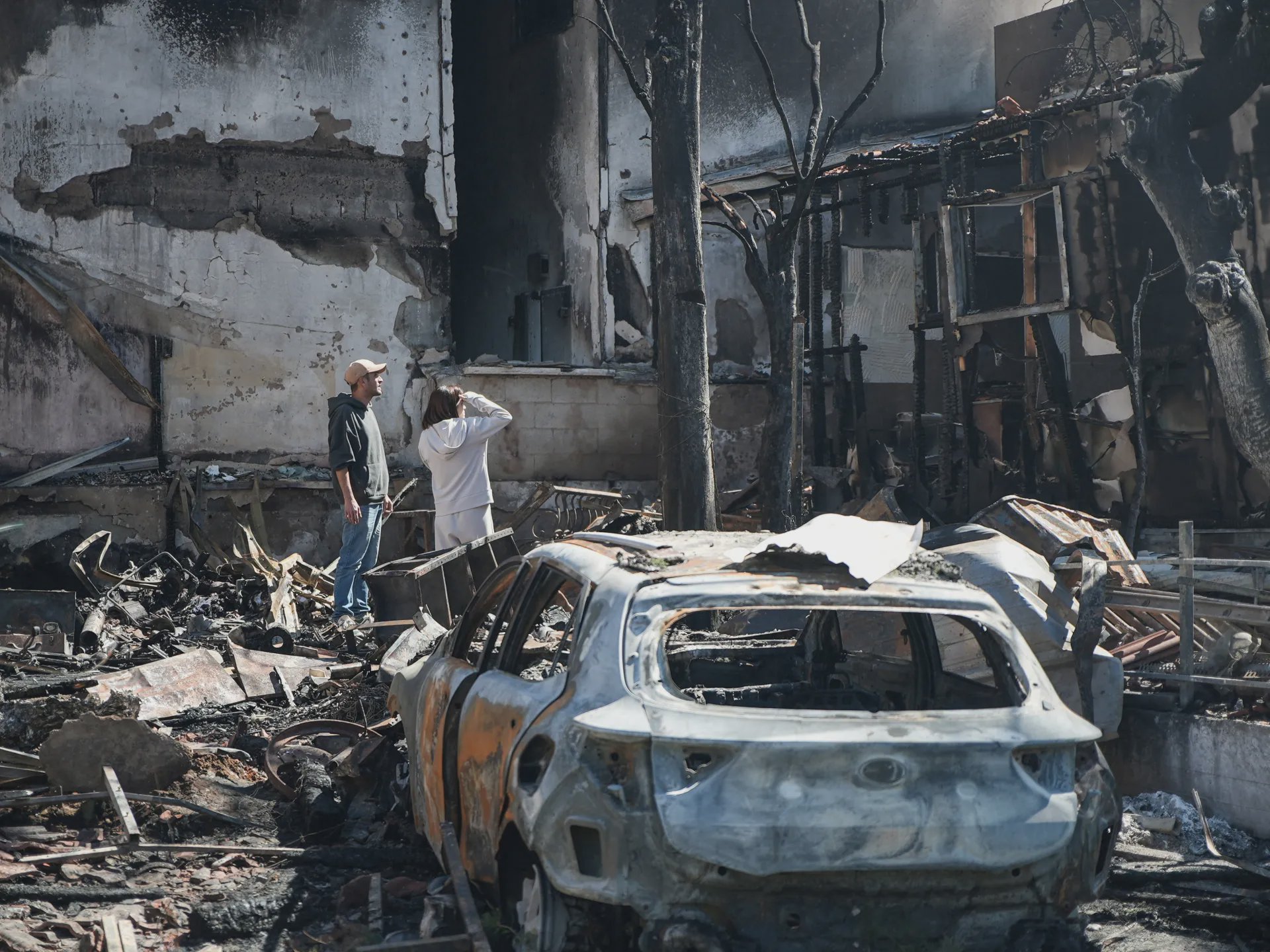
What happened last night in Tehran was no ordinary strike. The missiles that rocked the capital didn't just hit military installations; they struck at the heart of the regime. A short time ago, Israel Katz came forward to announce what had, for weeks, been nothing more than speculation behind closed doors: the assassination of Iranian Intelligence Minister Esmail Khatib.
Katz was unequivocal in his statement, pointing out that Khatib had been "eliminated" overnight, in an operation described as part of a new approach to dealing with the ruling elite in Tehran. The man who had held this position since 2021, appointed directly by the Supreme Leader, was no ordinary government official. He was the "backbone" of the regime's internal security. A cleric who rose through the ranks of the Revolutionary Guards, he was involved in founding the Guards' intelligence apparatus in the 1980s, then moved through a series of sensitive posts: head of security at the Razavi Shrine, senior overseer in Khamenei's office, and head of the Information Protection Centre in the judiciary. In short, he was the man who knew all the secrets of Iran's domestic front.
The announcement of Khatib's assassination came just hours after Tehran confirmed the deaths of the secretary of the Supreme National Security Council, Ali Larijani, and the commander of the Basij force, Gholam Reza Soleimani. Three consecutive strikes at the core of the Iranian stronghold. Whispers in the corridors of Tel Aviv suggest the military has been granted unprecedented authority to target any senior Iranian official "without needing further approvals" from the political leadership.
- Operation One: The assassination of Ali Larijani, the second-in-command in the security decision-making hierarchy.
- Operation Two: Targeting Gholam Reza Soleimani, the commander of the Basij (mobilisation) forces.
- Operation Three: Eliminating Esmail Khatib, the Minister of Intelligence.
The Iranian military response wasn't long in coming; Tehran launched a barrage of missiles towards Israel, which according to official reports, resulted in two deaths near Tel Aviv. But the bigger question remains hanging: How will Iran retaliate for strikes targeting its top security echelon on home soil?
What's striking about Esmail Khatib's background is that he was a controversial figure even beyond Iran's borders. In September 2022, the US Treasury imposed sanctions on him, accusing him of involvement in cyber-attacks targeting Albania, which was hosting members of the Iranian opposition. He was one of Khamenei's inner circle, considered a hardline conservative hawk managing the most sensitive security files, including countering Israeli infiltrations inside Iran itself.
The situation now is heading down an increasingly complex path. With these strikes, Israel is sending a message that "no one in Iran has immunity," as Katz put it. On the other hand, holding funerals for three of the nation's top security leaders on a single day will be a real test of internal cohesion in Tehran, amid Israeli calls – like those from Avigdor Lieberman – to keep their "foot on the accelerator" until the regime falls.
On the ground, the situation isn't confined to Tehran alone. Reports from Lorestan province indicate seven dead and 56 wounded in an attack on residential areas, while US Central Command confirmed the use of bunker-buster bombs near the Strait of Hormuz, threatening one of the world's most vital oil transport routes.
The distance between Tehran and Tel Aviv feels shorter today than ever before, not in kilometres, but in the reach of missiles and the ability of intelligence agencies to penetrate the most intimate details. Esmail Khatib has paid a heavy price, but the question now echoing through the corridors of major world capitals is: who's next on the list of "big surprises" that Katz promised?