Anti-Semitism Bill Passed in Senate: What It Means for Free Speech in Italy
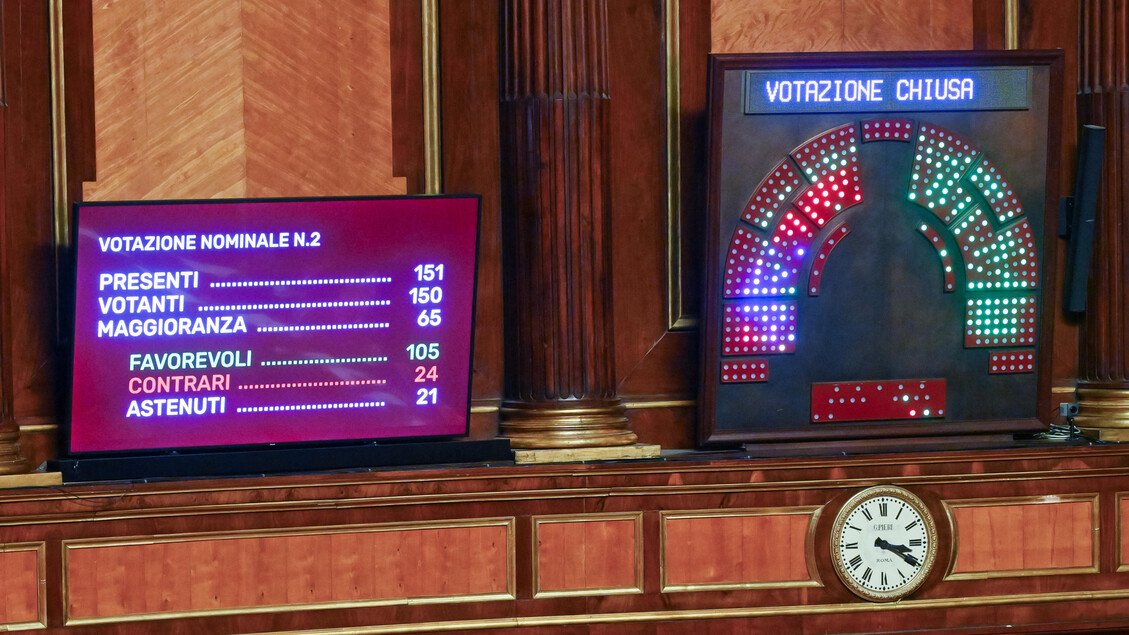
Yesterday at Palazzo Madama, something more significant than a simple vote took place. The Senate gave its final approval to the anti-Semitism bill, a piece of legislation that has blown the lid off a political and cultural Pandora's box, dividing not only Parliament but public opinion as well. If you're wondering what exactly this law entails and why it's caused such an uproar, you're in the right place. This isn't just about a regulation; think of this as your go-to guide to the anti-Semitism bill for navigating a debate that, believe me, has only just begun.
A Swift Approval Amidst Applause and Protests
The Senate chamber voted yes with 141 votes in favour. A figure that seems decisive, but masks deep fractures, particularly within the centre-left. The text, strongly pushed by the majority, faced outright opposition from the 5-Star Movement and the Greens and Left Alliance. But the most telling sight came from the Democratic Party (PD): a mass abstention that smacks of surrender, with around ten senators finally breaking ranks and voting against. A split that, I assure you, will leave its mark.
The PD's Moral Compass and the Embarrassment of Choice
I've spoken with some colleagues who keep tabs on the party headquarters, and the feeling is one of walking on eggshells. On one hand, unequivocally condemning anti-Semitism is an unshakeable pillar for any political force that calls itself democratic. On the other, the broad wording of this anti-Semitism bill, according to many legal experts, risks dangerously trammelling free speech, especially when it comes to criticising Israeli policy or supporting the Palestinian cause. That explains the internal earthquake: the Dems found their moral compass spinning, forced to navigate blindly between historical memory and the fear of criminalising dissent. The result was a vote that smacks of "neither with you nor without you."
A Law That "Criminalises Pro-Palestine Support"? Here's the Crux
Let's get to the heart of the matter, the part that has protestors and a significant chunk of the intelligentsia crying foul. In circles close to the Palestine movement, they put it bluntly: "The right scores a win with a law that criminalises pro-Palestinians." And that's the nub of it. In attempting to define and punish new forms of anti-Semitism, the text introduces concepts that many consider deliberately ambiguous. Essentially, demonstrating outside a supermarket with signs saying "Boycott Israeli products" or chanting "Free Palestine" at a rally could potentially fall under the scope of the new law. This isn't science fiction; it's the review of the anti-Semitism bill that's already making the organisers of upcoming protests sweat.
To understand how the anti-Semitism bill will work in practice, you need to strip away the ideologies for a moment. The law widens the scope of so-called "hate propaganda" by including actions and words that, while not directly inciting violence, create an "intimidating atmosphere" towards the Jewish community. The point, and this is the crucial bit, is that the line between legitimate political criticism and intimidation is razor-thin. And it will be left to the discretion of judges. A prospect that, frankly, sends a chill down the spine of anyone who values the right to protest.
The Three Key Points That Will Fuel Debate
- Semantic ambiguity: terms like "Zionism" and "anti-Zionism" enter legally fraught territory, risking being interpreted as proxies for anti-Semitic hatred.
- The chilling effect: the fear of facing penalties could lead to pre-emptive self-censorship, silencing public debate on thorny international issues.
- Political point-scoring: the majority scores a win, while a fractured opposition allows the executive to project a narrative of (apparent) national unity against hatred.
In short, the Senate's green light isn't the end of the road, but the beginning of a long and complex implementation phase. The ball is now in the courts' court and, inevitably, out on the streets. Because while remembering is a duty, it's equally true that freedom of speech is far too precious a right to be handled carelessly. And from tomorrow, we'll all be called upon to keep a watchful eye, with an even more critical lens.