Black Friday Collapse in Dubai Financial Market (DFM) Amid Iran Tensions: What Does It Mean for Investors?
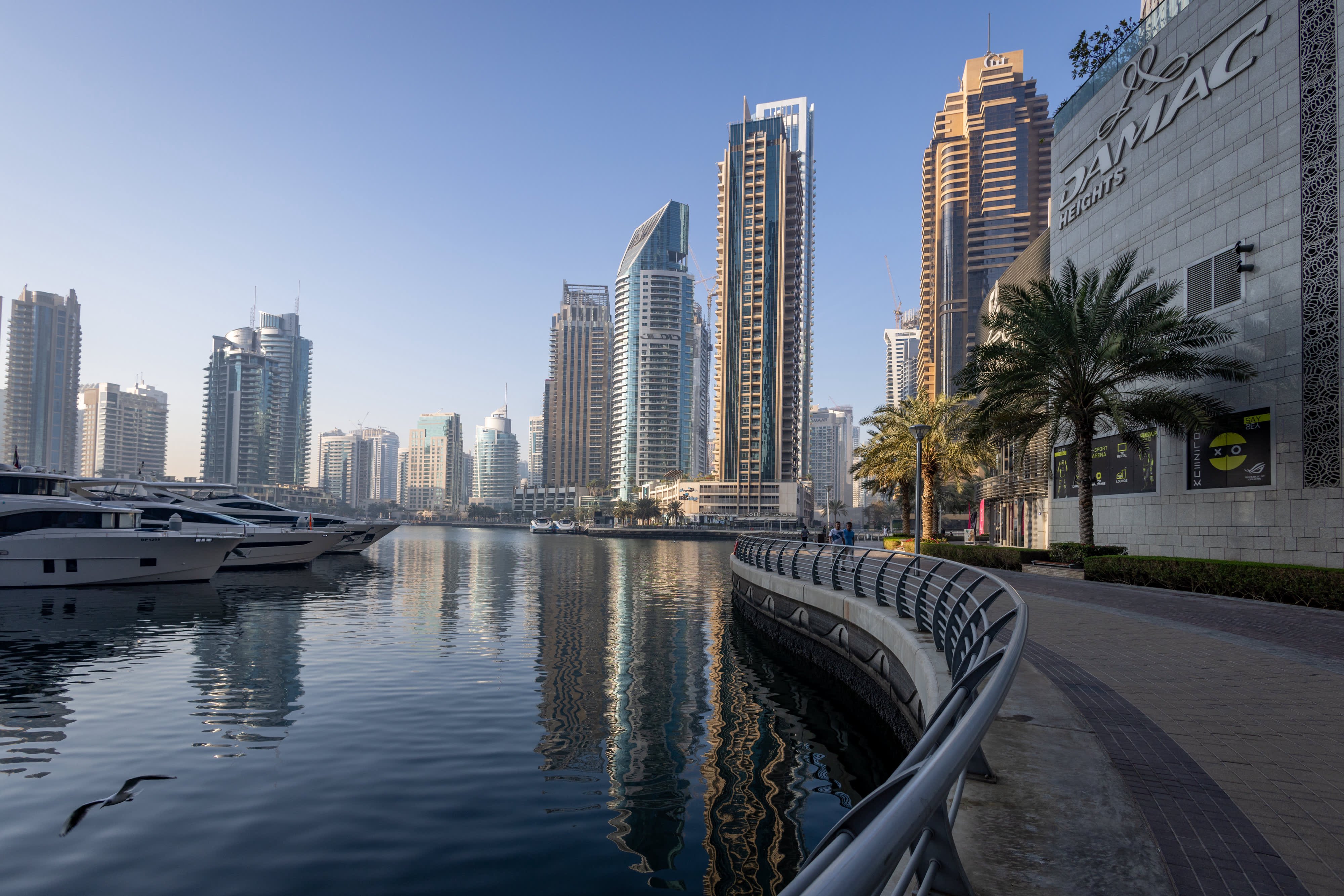
Anyone watching the trading screens at the Dubai Financial Market (DFM) this Thursday witnessed a scene we haven't seen in a while. A sea of deep red covering the session, driven by massive sell-offs hammering blue-chip stocks, especially in the real estate and banking sectors. This isn't just a minor correction; it's a direct and jarring reaction to the escalating situation next door, following the Iranian strikes and the rapid escalation that has put the entire region on edge.
The session opened with steep losses, spreading quickly from Dubai to Abu Dhabi, before the administrative closure was announced. But the question on every investor's mind today is: Is this the bottom, or is this selling wave just the beginning? As someone who's been tracking the local market's pulse for years, I can say that what we're seeing today is the worst panic-driven sell-off sweeping portfolios since mid-last year. Liquidity has dried up sharply, offers far outweigh bids by a huge margin, and everyone is scrambling for the exits at once.
Why is the market spooked today?
The immediate cause needs no interpretation. The missiles and drones in the early morning skies weren't just another news headline. They represent a geopolitical shock striking at the heart of both foreign and local investor confidence. The DFM, which relies heavily on foreign inflows and a sense of optimism, is always the first to feel such tremors. Every seasoned investor knows the old adage: "At the first missile, sell the first stock." That's literally what's happening now, even if the UAE market seems geographically distant from the front lines—it's extremely close to the nerve center.
- Real Estate: Companies like Emaar and Deyaar were squarely in the line of fire, as investors fear any regional unrest could freeze projects and disrupt tourism and purchasing activity.
- Banking: Dubai Islamic Bank and Emirates NBD saw sharp declines amid concerns over potential loan defaults or a slowdown in economic activity.
- Liquidity: Buy orders have nearly vanished, meaning that even those willing to sell at a lower price might not find a buyer.
Was the halt necessary?
Veteran traders on the Dubai Financial Market (DFM) know that an administrative halt isn't an easy decision. But in moments like these, it acts like a circuit breaker, cutting the power to prevent the entire system from burning out. The halt provided a chance for nerves to calm and prevented the spiral of losses from turning into a complete freefall. However, it certainly amplifies the sense of anticipation. When the market reopens tomorrow or the day after, it will have to absorb all this pent-up shock. Personally, I expect an extraordinary session filled with volatility. We might see some quick rebound attempts from market makers, but they might not hold for long.
What does this mean for the retail investor?
In panic-driven sessions like this, I always advise against acting on emotion. Today's drop is brutal, but it's not the end of the world. If you're a long-term investor, these moments can sometimes create golden opportunities, but only if the geopolitical storm passes quickly. The real danger is these tensions escalating into an open war—something no one in the region wants to see. For now, I believe the UAE markets, thanks to the strength and diversification of our economy, are better positioned to absorb shocks than many others. But they need time and calm on the regional front. Next week will be crucial in determining the DFM's true direction.