The Missile That Changed Everything: Turkey Caught in the Crossfire of the US-Israel-Iran War
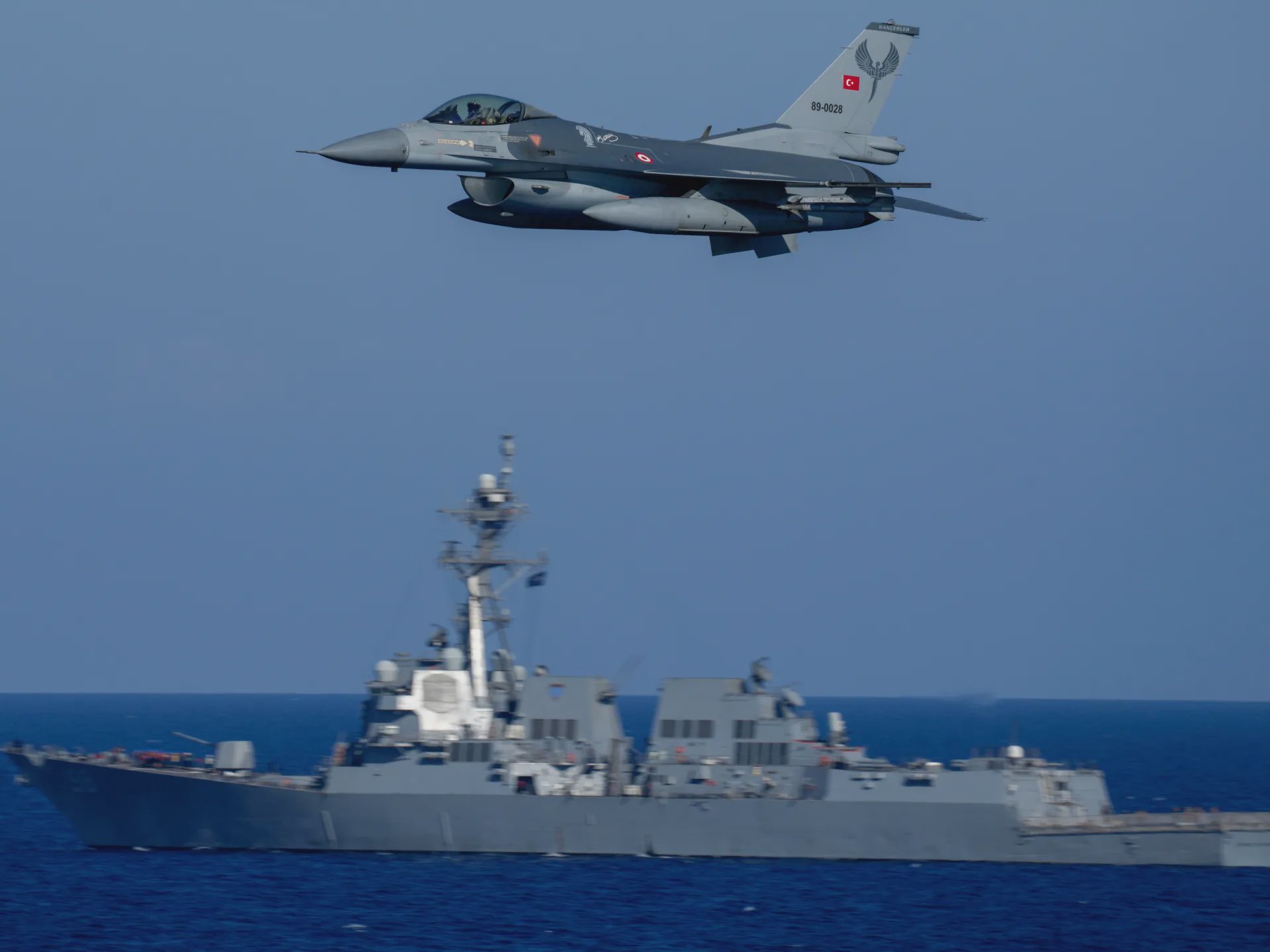
For the past 72 hours, I’ve been hooked to the screens, cross-referencing flight radar data with diplomatic cables, and let me tell you: what just went down over the eastern Mediterranean is the kind of event that keeps geopolitical risk analysts awake at night. We officially crossed a threshold on Wednesday. A ballistic missile fired from Iran—one that had already sliced through Iraqi and Syrian airspace—was intercepted and destroyed by NATO air defences before it could enter Turkish airspace. The debris from the interceptor rained down on the Dörtyol district of Hatay province.
Let’s cut through the noise. This wasn't a "stray" round. This was a direct, albeit failed, kinetic event involving a NATO member state. For all the diplomatic back-channeling Ankara has been doing—the frantic phone calls between Foreign Minister Hakan Fidan and his Iranian counterpart Abbas Araghchi, the pleas for de-escalation—the war just landed on Turkey's southern flank. The question now isn't if Turkey is involved, but how deep the involvement goes.
The NATO Umbrella: A Double-Edged Sword
Ankara’s official line is precise: they are "saddened and concerned" by the American-Israeli strikes that killed Iranian leadership, yet they simultaneously condemn Iran’s retaliatory bombing of Gulf states as "incredibly wrong". That’s walking a tightrope over a canyon. But the missile intercept changes the physics of the debate. Turkey hosts a U.S. Air Force unit at Incirlik and contributes to the alliance's integrated air defence architecture. When that architecture fires and kills incoming ordnance, the Article 5 implications—even if not formally invoked—hang in the air like the smoke over Hatay.
A senior NATO official didn't mince words: "We condemn Iran's targeting of Turkiye." That’s the alliance drawing a line in the sand. But here’s the multi-million dollar question for the traders and strategists watching Turkey’s sovereign credit default swaps: How does Tehran differentiate between a "NATO" intercept and a "Turkish" intercept? In the fog of war, they might not.
The Kurdish Wildcard and the Ghost of the PKK
While the missiles grab the headlines, the real powder keg is sitting on the 330-mile border Turkey shares with Iran. I’ve been covering the PKK issue for two decades, and the current situation in Iran’s Western provinces is the most volatile I’ve seen since the 90s. The Iranian Kurdish group PJAK—an offshoot of the PKK—is watching the chaos in Tehran the way a hawk watches a field mouse.
President Erdogan has built his career on eliminating threats "at the source." He’s done it in Syria, he’s done it in Iraq. If the Iranian regime collapses or if PJAK senses an opportunity to carve out autonomy, do you really think the Turkish Second Army is going to sit idle? Don’t bet on it. The chatter in Ankara security circles is that a "buffer zone" scenario—similar to northern Syria—is very much on the table if refugees start flowing or if a "terror corridor" emerges. This is the sleeper variable that could turn a US-Israel-Iran war into a regional land-grab.
The Strategic Calculus: What's at Stake for Ankara
To understand the pressure Turkey is under, you have to look at the chessboard from all angles. Right now, the Turks are juggling multiple crises that would cripple most other nations:
- Alliance Credibility: As a NATO member, Turkey must uphold its collective defence commitments, but it also maintains delicate energy and trade ties with Tehran. Every intercept brings that contradiction into sharper focus.
- Domestic Stability: A conflict next door risks another wave of refugees and could inflame nationalist sentiment, putting the government in a bind over how hawkish to sound.
- Economic Exposure: The lira is already fragile. Any sustained military tension will spook foreign investors and send the cost of insuring Turkish debt through the roof.
- The Kurdish Dimension: The PKK's Iranian wing, PJAK, is a wildcard. If they make gains, Ankara may feel compelled to launch cross-border operations, further entangling itself.
These factors are why Foreign Minister Fidan is playing a blinder by talking to everyone—the Gulf states, Oman, the U.S., Iran—but diplomacy only works when the guns are silent. Right now, the guns are very loud.
Incirlik and the Red Line
Let’s talk about the elephant in the room: Incirlik Air Base. It’s a NATO installation housing American nukes and assets. So far, Turkey has been adamant: it will not allow its territory or airspace to be used for offensive strikes against Iran. That’s the politically correct answer for domestic consumption and for maintaining a lifeline to Tehran.
But here’s the reality check from a logistics standpoint. NATO AWACS are flying monitoring missions over eastern Turkey, feeding real-time data to batteries that just shot down an Iranian missile. That is, by definition, participation. If the U.S. deepens its strikes, the pressure on Ankara to "coordinate" rather than just "defend" will become immense.
The Football Match No One Wants to Play
It’s strange to think about the Turkish national football team in the middle of this, but sports and geopolitics are intertwined. The last thing this region needs is the kind of nationalist fervour that a direct Turkey-Iran conflict would ignite. For now, the man on the street in Turkey is more worried about the economy—the price of chicken at the local butcher, the lira’s stability—than they are about marching on Tehran. But that changes the moment a Turkish soldier gets hit by shrapnel from a cross-border raid, or if a drone hits a civilian target in Van or Hatay.
The Bottom Line
We are looking at a classic "escalation dominance" scenario. Iran is banking on raising the cost of the war for the U.S. and its allies by widening the circle, hitting Gulf energy infrastructure, and now, testing NATO’s eastern Mediterranean shield. Turkey is banking on its strategic weight and historical ties to both sides to remain a mediator. But physics doesn't care about politics. A missile was fired; a missile was destroyed over Turkish soil. That fact alone has fundamentally altered the risk profile for every investor, diplomat, and military planner watching the Middle East.
As a colleague of mine in Istanbul said this morning: "We are not at war, but we are no longer at peace." And in this business, that grey zone is where fortunes are made and lost.