Iran's Lifeline, Kharg Island, Under Threat… Black Smoke Looms Over the Strait of Hormuz
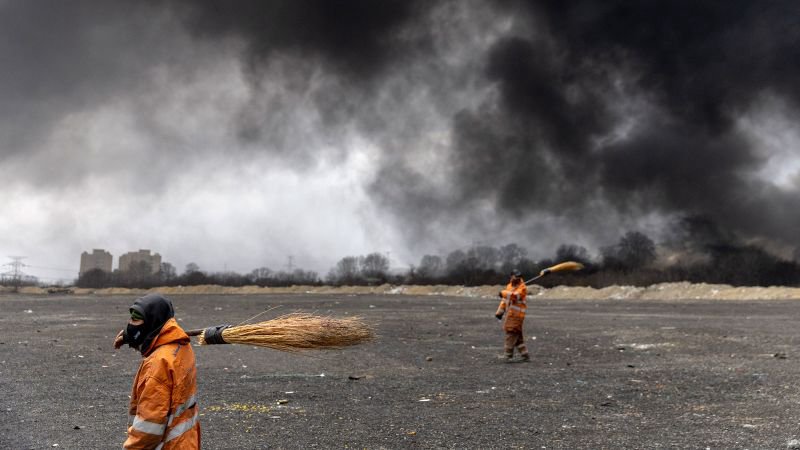
March 2026, and the skies over the Middle East are once again turning grey. With the Donald Trump administration in the US and Israeli Prime Minister Benjamin Netanyahu openly discussing the option of a 'pre-emptive strike' on Iran's nuclear facilities, a state of high alert grips the Gulf region. At the heart of every military scenario, one name keeps popping up: Kharg Island, the beating heart of Iran's oil exports.
For many around the world, this small island might be an unfamiliar name, but for Iran, it's literally a lifeline. A staggering 90% of the country's crude oil exports flow through this single point. Located in the northeastern Persian Gulf, Kharg Island is much more than just a loading terminal. It's the artery that supplies Iran with its dollar revenue, and for the West, it's the biggest variable that can send oil prices into a tailspin.
'Steps in the Sand of Time'
Local fishermen have a poetic name for the island: 'Steps in the Sand of Time'. It's a nod to the millennia of history layered upon its shores, from the Elamite civilization through the Persian Empire to modern-day Iran. But today, the steps being taken on this sand aren't those of peaceful ferry boats. They are the sounds of fighter jets taking off and the trajectories of cruise missiles.
Kharg Island's destiny has always been intertwined with war. During the Iran-Iraq War in the 1980s, Saddam Hussein targeted the island relentlessly to cripple Iran's economy. It was the epicentre of the so-called 'Tanker War,' where hundreds of oil tankers burned, and the island itself was often shrouded in thick, black smoke. Now, over forty years later, history seems poised to repeat itself.
Why Kharg Island, and Why Now?
US and Israeli intelligence assessments suggest Iran's nuclear weapons capability has reached a 'threshold' status. But these facilities are buried deep underground, fortified and difficult to destroy in a single blow. So, what's the next target? Strategists are unanimous: it's Iran's economic heart—Kharg Island.
- Paralysing the Economy: The quickest way to put maximum pressure on Tehran isn't necessarily by taking out a nuclear facility, but by cutting off its oil revenue. Halting the flow of millions of barrels a day would shatter their negotiating position overnight.
- A Vulnerable Point: Sitting exposed in the middle of the Persian Gulf, the island is far more vulnerable compared to hardened nuclear sites. For the US military, neutralising this export hub might be a more efficient way to counter Iran's threat of blocking the Strait of Hormuz than dealing with a closure after the fact.
- Symbolic Power: Iran has long wielded the threat of closing the Strait of Hormuz. Striking Kharg Island would be a powerful piece of psychological warfare, demonstrating that their own critical energy infrastructure is just as exposed.
If Kharg Island is attacked, Iran is highly likely to retaliate immediately by sealing off the Strait of Hormuz and targeting Gulf oil facilities. In that scenario, the waters off Dubai could turn into a fireball, global oil prices could surge past $200 a barrel, and the world would plunge into chaos far worse than the oil shocks of the 1970s. Given India's heavy reliance on Middle Eastern crude, we wouldn't be spared from the fallout either.
The Silent Game for the Black Pearl
Reports indicate that Iranian forces have ringed Kharg Island with its latest Chinese-made C-802 anti-ship missiles and Russian S-300 air defence systems. Revolutionary Guard Navy fast boats are seen buzzing around the island, seemingly preparing for 'martyrdom operations'. Meanwhile, a US carrier strike group led by the USS Abraham Lincoln is positioned in the Arabian Sea, and there's chatter that Israeli Air Force F-35I jets are simulating the fastest routes through Saudi airspace.
Right now, every grain of sand on Kharg Island feels like the ticking of a second hand for the global energy markets. The war hasn't started yet, but we are standing on its precipice. The world watches with bated breath, waiting to see what the next footprint in the sand will be on this small island, where the fate of Iran hangs in the balance.