Shaking Iran's Lifeline: The Black Smoke Over Kharg Island and the Strait of Hormuz
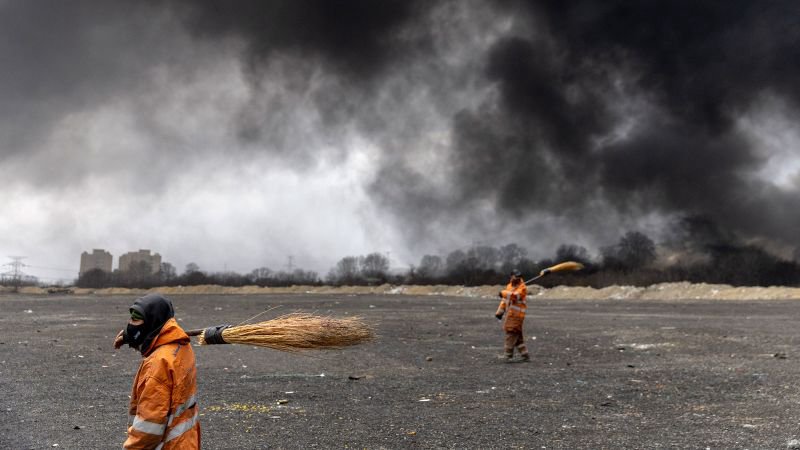
In March 2026, the skies over the Middle East are once again clouded with tension. With the Donald Trump administration and Israeli Prime Minister Benjamin Netanyahu openly discussing the option of a 'pre-emptive strike' on Iranian nuclear facilities, the entire Gulf region is on edge. And at the heart of every military scenario, one location consistently emerges: Kharg Island, the beating heart of Iran's oil exports.
For Kiwi readers, this small island might be an unfamiliar name, but it is quite literally a lifeline for the Iranian economy. A staggering 90% of Iran's total crude oil exports flow through its terminals. Situated in the northeastern Persian Gulf, Kharg Island is far more than just a loading dock. For Tehran, it's the artery delivering vital petrodollars; for the West, it's the single biggest variable that could send global oil prices into a tailspin.
'Steps in the Sand of Time'
Local fishermen have a poetic name for the island: 'Steps in the Sand of Time.' It's a reference to the millennia of history etched into its shores, from the Elamite civilisation through the Persian Empire to modern-day Iran. But today, the footsteps on this sand aren't from peaceful fishing boats. They're the phantom traces of fighter jets taking off and the trajectory of cruise missiles.
Kharg Island's fate has always been intertwined with war. During the Iran-Iraq War in the 1980s, Saddam Hussein targeted the island relentlessly to cripple Iran's economy. It was the epicentre of the so-called 'Tanker War', where hundreds of oil carriers were set ablaze, often shrouding the entire island in thick, black smoke. Now, over 40 years later, history looks set to repeat itself.
Why Kharg Island? Why Now?
US and Israeli intelligence assessments suggest Iran's nuclear weapons capability is nearing the 'threshold'. But these facilities are buried deep underground, heavily fortified, and a tough nut to crack. So, what's the next target? Strategists agree: it's Iran's economic jugular – Kharg Island.
- Economic Paralysis: The quickest way to put pressure on the regime in Tehran isn't by hitting nuclear facilities, but by cutting off its oil revenue. Severing the flow of millions of barrels a day would bring them to the negotiating table faster than any airstrike.
- A Vulnerable Point: Sitting exposed in the middle of the Gulf, the island is far more vulnerable than hardened nuclear sites. US military logic suggests that to neutralise Iran's threat of blocking the Strait of Hormuz, it's more efficient to take out its primary export hub first.
- Powerful Symbolism: Iran has long wielded the threat of closing the Strait of Hormuz as its trump card. Striking Kharg Island would be a powerful piece of psychological warfare, demonstrating that their own critical energy infrastructure is the most exposed asset in any conflict.
If Kharg Island is attacked, Iran would almost certainly retaliate by sealing off the Strait of Hormuz and hitting Gulf oil facilities. In that instant, the waters off Dubai could become a battleground, international oil prices would spike above $200 a barrel, and the world would be plunged into chaos worse than the 1970s oil shocks. With New Zealand's heavy reliance on Middle Eastern oil imports, we wouldn't be immune from the fallout either.
The Silent Game Over the Black Pearl
Reports indicate Iranian forces have ringed Kharg Island with advanced Chinese C-802 anti-ship missiles and Russian S-300 air defence systems. Revolutionary Guard Navy fast boats are prowling the waters nearby, reportedly preparing for 'martyrdom operations'. Meanwhile, the US Navy's Abraham Lincoln carrier strike group is positioned off Oman, and intelligence suggests the Israeli Air Force's F-35I squadrons are simulating the fastest approach routes through Saudi airspace.
Right now, every grain of sand on Kharg Island feels like the tick of a clock for global energy markets. War hasn't been declared, but we are on the precipice. The world is holding its breath, watching to see what the next footprint in the sand will be on this small island where so much of Iran's fate rests.