Iran's Lifeline, Kharg Island, Shaken… Black Smoke Looms Over the Strait of Hormuz
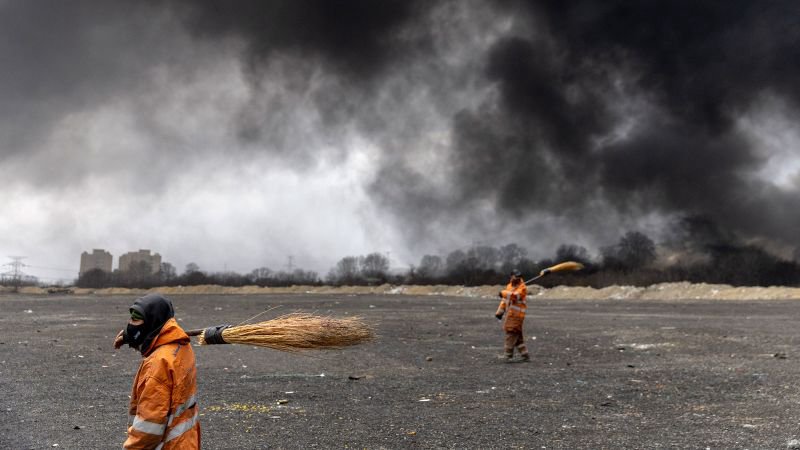
In March 2026, the skies over the Middle East are once again turning to grey. With the Trump administration and Israeli Prime Minister Benjamin Netanyahu openly discussing the option of 'pre-emptive strikes' on Iranian nuclear facilities, a state of extreme tension grips the entire Gulf region. At the heart of every military scenario, one name consistently emerges: Kharg Island, the very heart of Iran's oil exports.
This small island, perhaps unfamiliar to some readers, is effectively Iran's economic lifeline. A staggering 90% of all Iranian crude oil exports flow from this single point. Situated in the northeastern Persian Gulf, Kharg Island is far more than just a loading terminal. For Iran, it's the artery pumping dollars into the economy; for the West, it's the single biggest variable that could send oil prices into a tailspin.
'Steps in the Sand of Time'
Local fishermen have a poetic name for the island: 'Steps in the Sand of Time'. It's a reference to the millennia of history layered upon its shores, from the Elamite civilisation through the Persian Empire to modern-day Iran. But the footsteps marking this sand today are no longer those of peaceful ferrymen. They are the sound of fighter jets taking off and the trajectory of cruise missiles.
Kharg Island's fate has always been intertwined with war. During the Iran-Iraq War in the 1980s, Saddam Hussein targeted the island relentlessly, aiming to cripple Iran's economic base. It was a key theatre in the so-called 'Tanker War', where hundreds of oil tankers were set ablaze, and the island itself was often shrouded in black smoke. Now, over forty years later, history seems to be repeating itself.
Why Kharg Island, and Why Now?
US and Israeli intelligence suggest Iran's nuclear weapons capabilities have reached a 'threshold' stage. However, these facilities are deeply buried and heavily fortified, making a successful strike difficult. So, what's the next logical target? Strategists are unanimous: Iran's economic heart, Kharg Island.
- Economic Strangulation: For the Iranian regime, the pain of halted oil exports would far outweigh the destruction of a nuclear facility. Cutting off the flow of millions of barrels a day would cripple Tehran's negotiating position almost instantly.
- Strategic Vulnerability: Sitting exposed in the middle of the Gulf, the island is far more vulnerable than fortified nuclear sites. US military thinking suggests that neutralising this export hub would be a more efficient way to counter Iran's threat of blocking the Strait of Hormuz than engaging that threat directly.
- Symbolic Power: Iran has long brandished the threat of closing the Strait of Hormuz. Striking its own critical energy infrastructure would be a powerful piece of psychological warfare, exposing its Achilles' heel.
If Kharg Island were attacked, Iran would almost certainly retaliate by attempting to block the Strait of Hormuz and strike Gulf oil facilities. In that moment, the waters off Dubai could become a fireball, international oil prices would surge past $200 a barrel, and the world would face chaos far exceeding the 1970s oil shocks. Given South Korea's heavy reliance on Middle Eastern crude, it would be far from immune to such a crisis.
The Silent Game Surrounding the Black Pearl
It's understood that Iranian forces have deployed advanced Chinese C-802 anti-ship missiles and Russian S-300 air defence systems around Kharg Island. Revolutionary Guard Navy fast boats are patrolling the vicinity, reportedly preparing for 'martyrdom operations'. Meanwhile, a US carrier strike group, including the USS Abraham Lincoln, is positioned off Oman, and there are reports that the Israeli Air Force is simulating the fastest approach routes for its F-35I jets through Saudi airspace.
Every single grain of sand on Kharg Island now feels like the ticking of a clock for the global energy market. War hasn't been declared, but we are standing on its precipice. The world is holding its breath, watching to see what the next footprint etched into the sand of this small but vital island will be.