Renfe overhauls schedules due to Garraf tunnel works: How will AVE, Avlo, and commuter services affect you?
If you've tried to buy a train ticket to Barcelona in the last few weeks and noticed fewer services than usual, don't worry, it's not just you. Renfe has been forced to cut back (and completely reorganise its operations) due to construction work that has hit the heart of one of its main lines. The reason, as is often the case, is essential improvement works that are set to drag on for longer than anyone would like. We're talking about the intervention in the Garraf tunnel, that key route connecting the south with Barcelona, which since mid-March has become a real headache for both the operator and passengers.
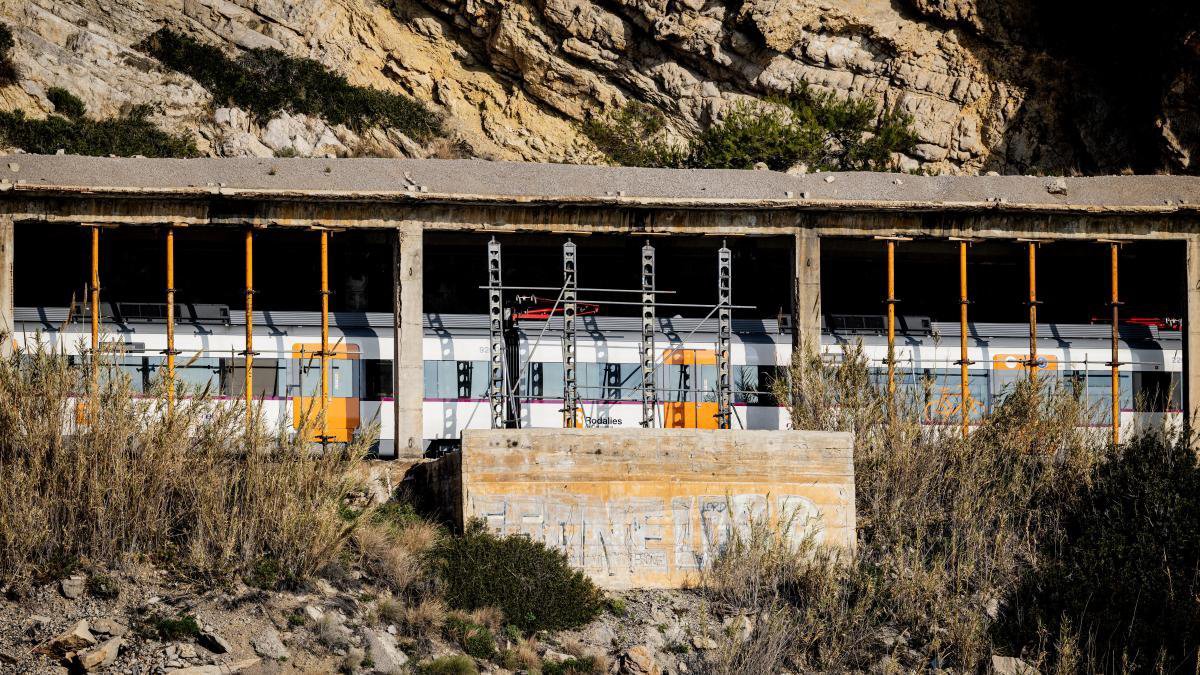
Three months of works: which Renfe lines are affected?
First things first, let's get the facts straight. The works in the Garraf tunnel aren't just a quick weekend fix; they're a significant intervention that will last for three months, directly affecting the Corridor linking Zaragoza, Caspe and Barcelona, and by extension, the entire high-speed and long-distance network that runs through it. This means that both the flagship Renfe AVE and the low-cost Renfe Avlo services on the Madrid-Barcelona route have had to modify their timetables and, in some cases, skip stops or combine train journeys with a replacement road service. And don't forget, the Renfe Alvia trains connecting the north (from Galicia or the Basque Country) with Barcelona have also had to reshuffle their routes.
The bus fiasco: Renfe's Plan B
To try and minimise the disruption, Renfe has laid on a comprehensive network of buses covering the worst-affected sections. Essentially, on some stretches where the line is completely closed, passengers have to get off the train, catch a bus, and then board another train. Yes, you heard that right. A real nuisance, especially if you're travelling with suitcases or kids. But what are the alternatives? The company assures that overall journey times will remain more or less the same, although I'd hazard a guess that with a transfer involved, you should always allow some extra time.
- AVE and Avlo trains: Reduction in direct Madrid-Barcelona frequencies. Some services are being diverted onto the conventional line through the affected section, leading to increased journey times.
- Renfe Alvia: Trains coming from the north (such as those connecting with Bilbao or San Sebastián) are also experiencing delays and timetable changes to fit into the available slots through the works.
- Commuter services: Although the focus is on long-distance, users of commuter services in Bilbao need not worry as the disruption is exclusive to the Mediterranean corridor. The same cannot be said for the Rodalies lines in Catalonia, which are also affected in sections near Garraf.
From Zaragoza to Barcelona: the hardest-hit route
If you live in Aragon or are planning to travel from Zaragoza to Barcelona, brace yourself. RENFE's reorganisation is particularly intense on this axis. Trains that used to stop in towns like Caspe now offer a mixed service: part train, part bus. And as you can imagine, it's just not the same. The company has promised that information at stations will be constantly updated, but you know how it goes: best to keep your phone charged and the Renfe website handy to check real-time train status, because the departure boards can be slow to update.
A seasoned traveller's take
Look, I've been using trains since I was a kid and I've seen it all: strikes, delays due to breakdowns, never-ending construction works... This Garraf project is necessary, no doubt, but it's a pain. It's a pain because just now, when it seemed like Renfe Avlo was making high-speed travel popular and prices were becoming competitive, we hit this three-month roadblock. The hope is that when the works finish at the end of June, everything will run better than before. In the meantime, it's time to arm yourself with patience, double-check your schedules, and if you can, avoid peak times when the transfers can get chaotic. And if you have a ticket for the coming weeks, don't rely on memory: log on to the Renfe website and check if your train is keeping its timetable or if you're now one of those who have to make a bus transfer. Because, as I always say, when it comes to trains, better safe than sorry.