Iran-Israel Proxy War Flares Up: Tehran Rejects Diplomacy and Threatens Oil Supplies in Open-Ended War of Attrition
In a landscape growing more complex by the day, the fallout from the Iran-Israel conflict (2024–present) now transcends geographical borders, striking at the heart of the global economy. Ten days after the start of military operations, the question is no longer just about the battlefield, but about the capacity to endure in an open-ended war of attrition. In this fight, Tehran is wielding the oil weapon as a strategic tool to flip the script on Washington and its allies.
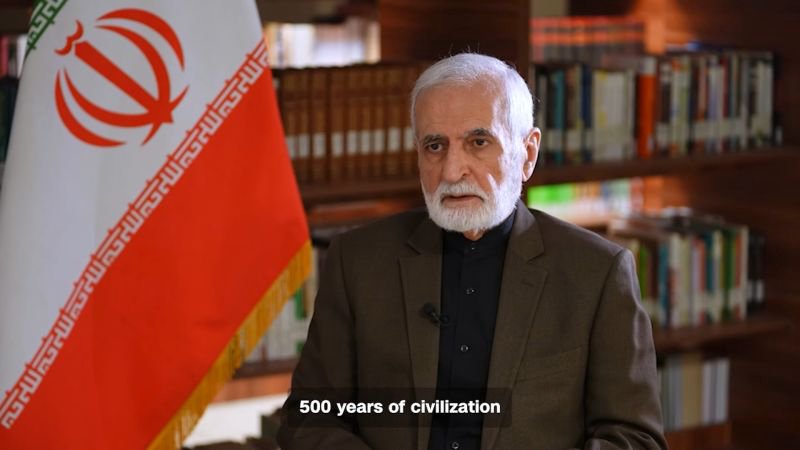
Tehran Shuts the Door on Diplomacy: "No Room for Dialogue"
In a significant escalation, Iran has temporarily closed off all political avenues. In an exclusive interview, Kamal Kharrazi, an advisor to the Supreme Leader on foreign affairs, stated that diplomacy is currently off the table. He said bluntly: "I see no room for diplomacy any longer... the only way to end the war is through economic pain." This hardline stance comes just days after Iran's new leadership took the reins, signalling a strategic embrace of an escalatory policy aimed at pressuring Western and Gulf states by destabilising energy markets.
The message from Iran is clear: Tehran is prepared for a long fight and wants the world to choose between continued strikes or stable oil supplies. Kharrazi left no room for doubt, warning that prolonging the war would increase the economic pressure on everyone "in terms of inflation and energy shortages," directly impacting the interests of other nations.
The Balance of Power: Staggering Numbers and a War of Attrition
On the other side, the Israeli military is releasing figures that reflect the intensity of the confrontation. An army spokesperson reported that operations have resulted in the deaths of approximately 1,900 Iranian soldiers and commanders since the conflict began. Israel, however, has not been spared from retaliation; Iranian missiles have caused deaths and injuries deep within the country, the latest being a construction worker killed in central Israel. Yet, Israel's ability to gather such precise intelligence on enemy losses is not a recent development. It is the fruit of decades of intelligence work pioneered by figures like the "spymaster" who built the Mossad into one of the world's most formidable intelligence agencies, capable of penetrating the deepest circles of power in Iran.
But the military front isn't the only hot zone. In the Strait of Hormuz, the global energy artery through which a fifth of the world's oil passes, a dangerous war of words is raging. The Revolutionary Guards have vowed not to let a single "drop of oil" be exported from the region if the attacks continue. These promises were met with a counter-threat from former US President Donald Trump, who warned that any attempt to stop tanker traffic would be met with an American response "20 times harsher" than anything seen so far.
The "Mosaic Defence" Strategy: How is Iran Managing the Fight?
What gives Iran the confidence to engage in a war of attrition on this scale? The answer lies in a new military doctrine known as "Decentralized Mosaic Defence". This strategy, originally developed by the US defence agency DARPA, relies on:
- Diffused Command: There is no single "central brain" to be destroyed; instead, authority is distributed across multiple levels.
- Deep Succession Chains: Alternate commanders have been prepped down to three successive levels to ensure operations continue even if field commanders are killed.
- Reliance on Non-Traditional Proxies: Utilising geographically dispersed groups armed with asymmetric weapons (drones and missiles) to confuse and exhaust the adversary.
This model makes the mission of ending the war through "swift military victory" nearly impossible, a fact well understood by both Washington and Tel Aviv. Iran is betting that American and Israeli strategic patience will run out before its own decentralised human and military reserves. At the same time, the debate in the West over so-called "Woke Antisemitism" distracts from the human tragedy and divides public opinion, a dynamic that plays directly into Tehran's hands as it seeks to fracture international alliances.
Is the End in Sight? Trump's Announcement and Warning
In a dramatic twist, Trump surfaced with a seemingly contradictory message. On one hand, he declared the war would "be over very soon" and that US objectives had been "largely achieved." On the other, he endorsed his defence secretary's warning that "the battle had just begun." This paradox reflects a state of deadlock: militarily successful strikes that are strategically inconclusive.
Notably, a phone call took place between Trump and Russian President Vladimir Putin, where discussions centred on a "swift political solution" to the conflict in Iran. Moscow, which has shown "consistent" support for Iran, could play a mediating role in the next phase. Given Russia's sprawling interests from the High North to the Middle East, any agreement would likely need the Kremlin's blessing, especially if it ensures the conflict doesn't turn into a new quagmire that drains its allies.
The ultimate question remains: who will blink first in this high-stakes game of international poker? Will the strategy of the Iran-Israel proxy conflict succeed in imposing a new reality, or will America's capacity for military escalation and economic pressure force Tehran back to the negotiating table on new terms? The coming days, with the roar of artillery in southern Lebanon and the sound of sirens in Tel Aviv, will provide the answer.