Gyanesh Kumar Faces Impeachment Heat: Inside the Opposition's High-Stakes Gamble
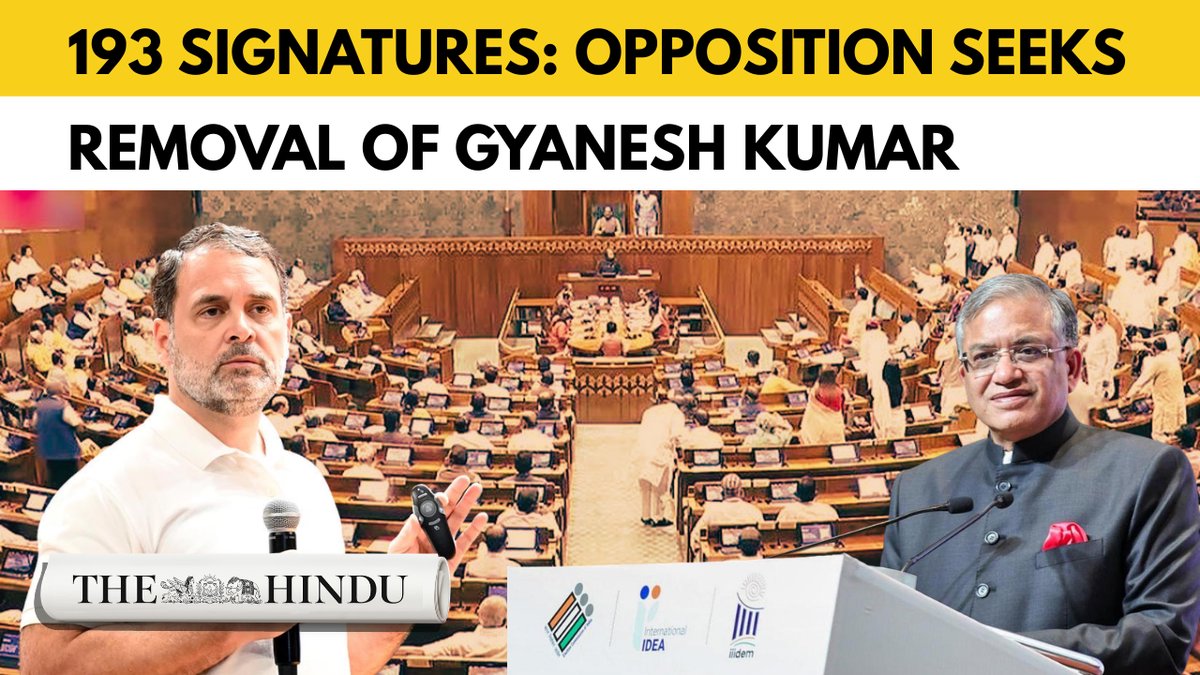
If you think the political temperature in Delhi dropped after the last election, think again. Right now, the man holding the country's most sensitive constitutional office—Chief Election Commissioner Gyanesh Kumar—is at the eye of a storm that could fundamentally change how India runs its elections. The opposition has formally tabled a notice for his removal, and the timing couldn't be more striking: it's the eve of National Voters Day, the one occasion when the EC is meant to stand tall as the beacon of democratic trust.
The Man in the Hot Seat
Gyanesh Kumar wasn't a unanimous choice when he took over. From day one, whispers in political circles suggested his appointment was more about loyalty than neutrality. A retired bureaucrat with a long stint in government, his elevation to the top election post was seen by many as a reward for services rendered. And since then, every decision—from poll schedules to enforcing the code of conduct—has been viewed through a sharply divided lens. The opposition claims he has systematically tilted the playing field, letting the ruling party off the hook for model code violations while booking opposition leaders for the smallest infractions.
Why Now? The Politics Behind the Removal Motion
Moving to impeach a Chief Election Commissioner isn't a card you play lightly. It requires serious numbers in Parliament and a rock-solid case. So why now? According to well-placed sources in the opposition camp, the decision was triggered by a series of recent incidents that, in their view, crossed a line. They point to the handling of by-election dates, the sudden transfers of key officials, and the selective application of the model code. But there's also a bigger political calculation: with a general election looming, the opposition wants to put the Election Commission's credibility on trial. They want voters to ask: can we really trust this umpire?
- The Charge Sheet: Partisan conduct, ignoring complaints against ruling party candidates, and a perceived reluctance to act against hate speech from the ruling side.
- The Numbers Game: The motion needs a two-thirds majority in both Houses—a near-impossible task given the current arithmetic, but it forces the ruling party to publicly defend Kumar.
- The Voters Day Irony: On the eve of National Voters Day, Kumar issued a message urging citizens to have faith in the electoral process—even as his own conduct is being questioned.
- The Inside Story: Sources close to the EC say the atmosphere inside is tense, with many officials worried about the institution's reputation taking a hit.
What Happens in Parliament Stays in... the Headlines
The motion is likely to be taken up in the upcoming session, and the debate promises to be fiery. The government will rally behind Kumar, pointing to his clean record and the EC's autonomy. But the opposition is prepared to dig up every controversial order, every eyebrow-raising decision, to paint a picture of a man who has forgotten his constitutional oath. Even if the motion fails—which it almost certainly will—the damage is done. The perception of bias has already seeped into the public mind. And in politics, perception is reality.
The Bigger Picture: Institutional Trust at Stake
What worries seasoned observers more than the fate of one man is the long-term impact on the Election Commission. For decades, the EC enjoyed a reputation as one of India's most trusted institutions. But recent years have seen that trust erode, with allegations of partisanship becoming routine. Gyanesh Kumar's case is just the latest—and most explosive—chapter in that story. As he prepares to address the nation on Voters Day, his words will be weighed against his actions. And for millions of voters watching this drama unfold, the question remains: can we still believe in the process? The answer may determine not just his future, but the future of Indian democracy itself.