Iran-Israel proxy conflict heats up: Tehran rejects diplomacy and threatens oil supplies in open-ended war of attrition
In a landscape growing more tangled by the day, the fallout from the Iran-Israel conflict (2024–present) has burst well beyond geographical borders, hitting the global economy where it hurts. Ten days into the military campaign, the question is no longer just about the battlefield, but about who can hold their nerve in an open-ended war of attrition. Tehran is now playing the oil card as a strategic weapon to flip the table on Washington and its allies.
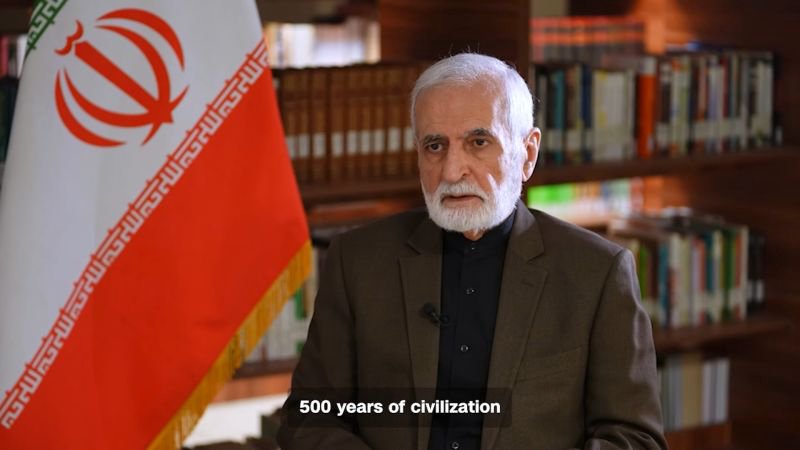
Tehran shuts the door on diplomacy: 'No room for dialogue'
In a significant escalation, Iran has temporarily shut down all political channels. In an exclusive interview, Kamal Kharrazi, an adviser to Iran's Supreme Leader on foreign affairs, made it clear that diplomacy is off the table for now. He stated bluntly: "I don't see any room for diplomacy anymore... the only way to end the war is through economic pain." This hardline stance comes just days after Iran's new leadership took the reins, signalling a strategic shift towards an aggressive policy that pressures Western and Gulf states by destabilising energy markets.
The message from Iran is unmistakable: Tehran is digging in for the long haul and wants the world to choose between ongoing strikes or stable oil supplies. Kharrazi left no room for doubt, warning that if the war continues, it will crank up the economic pressure on everyone "in terms of inflation and energy shortages," directly hitting the interests of other nations.
The balance of power: Staggering numbers and a war of attrition
On the other side, the Israeli military is releasing figures that show just how brutal this confrontation has become. An army spokesperson reported that operations have killed roughly 1,900 Iranian soldiers and commanders since the conflict began. But Israel hasn't escaped unscathed; Iranian rockets have killed and wounded people deep inside the country, most recently a construction worker in central Israel. Israel's ability to gather such precise intelligence on enemy losses isn't new—it's the result of decades of spycraft built by figures like the spymaster who shaped the Mossad into arguably the world's most powerful intelligence agency, capable of penetrating even Iran's most secure circles.
But the military front isn't the only hotspot. In the Strait of Hormuz—the world's energy artery, through which a fifth of all oil passes—a dangerous war of words is raging. Iran's Revolutionary Guard has vowed not to let a "single drop of oil" be exported from the region if the attacks continue. Those promises were met with a counter-threat from US President Donald Trump, who warned that any attempt to block tanker traffic would be met with an American strike "20 times tougher" than anything seen so far.
The 'Mosaic Defence' strategy: How is Iran fighting this battle?
What gives Iran the confidence to wage a war of attrition on this scale? The answer lies in a new military doctrine known as "Decentralized Mosaic Defence." This strategy, originally developed by the US Defense Advanced Research Projects Agency (DARPA), relies on:
- Decentralised command: There's no single "brain" to take out; decision-making power is spread across multiple levels.
- Deep succession chains: Alternate leaders have been prepped, down to three levels deep, to ensure operations keep running even if field commanders are taken out.
- Reliance on unconventional proxies: Using geographically dispersed groups armed with asymmetrical weapons (like drones and missiles) to confuse and exhaust the enemy.
This model makes the goal of a "quick, decisive military victory" nearly impossible—something Washington and Tel Aviv know all too well. Iran is betting that American and Israeli strategic patience will run out long before its own decentralised human and military reserves do. Meanwhile, the ongoing debate in the West over so-called "progressive antisemitism" is distracting from the human tragedy and dividing public opinion, which plays right into Tehran's hands as it seeks to fracture international alliances.
Is the end in sight? Trump declares and warns
In a dramatic twist, Trump has offered what seems like a contradictory message. On one hand, he's declared the war will "be over very soon" and that US objectives have "largely been met." But on the other, he's backed his defence secretary's warning that "the battle has only just begun." This contradiction reflects a stalemate: militarily successful strikes, but no strategic knockout blow.
Notably, Trump had a phone conversation with Russian President Vladimir Putin, where the talk focused on a "swift political solution" to the conflict in Iran. Moscow, which has shown "steadfast" support for Iran, could step in as a mediator in the next phase. Given Russia's sprawling interests from the Far North to the Middle East, any agreement would need the Kremlin's blessing—especially if Moscow wants to ensure the conflict doesn't become another quagmire that drains its allies.
The big question remains: who blinks first in this high-stakes international poker game? Will the strategy of the Iran-Israel proxy conflict manage to impose a new reality, or will America's ability to ramp up military pressure and economic sanctions force Tehran back to the negotiating table on new terms? Only the coming days, with the rumble of artillery in southern Lebanon and the sirens wailing in Tel Aviv, will tell.