Matthieu Poitevin Affair: Suspension, Silence, and Shockwaves in French Architecture
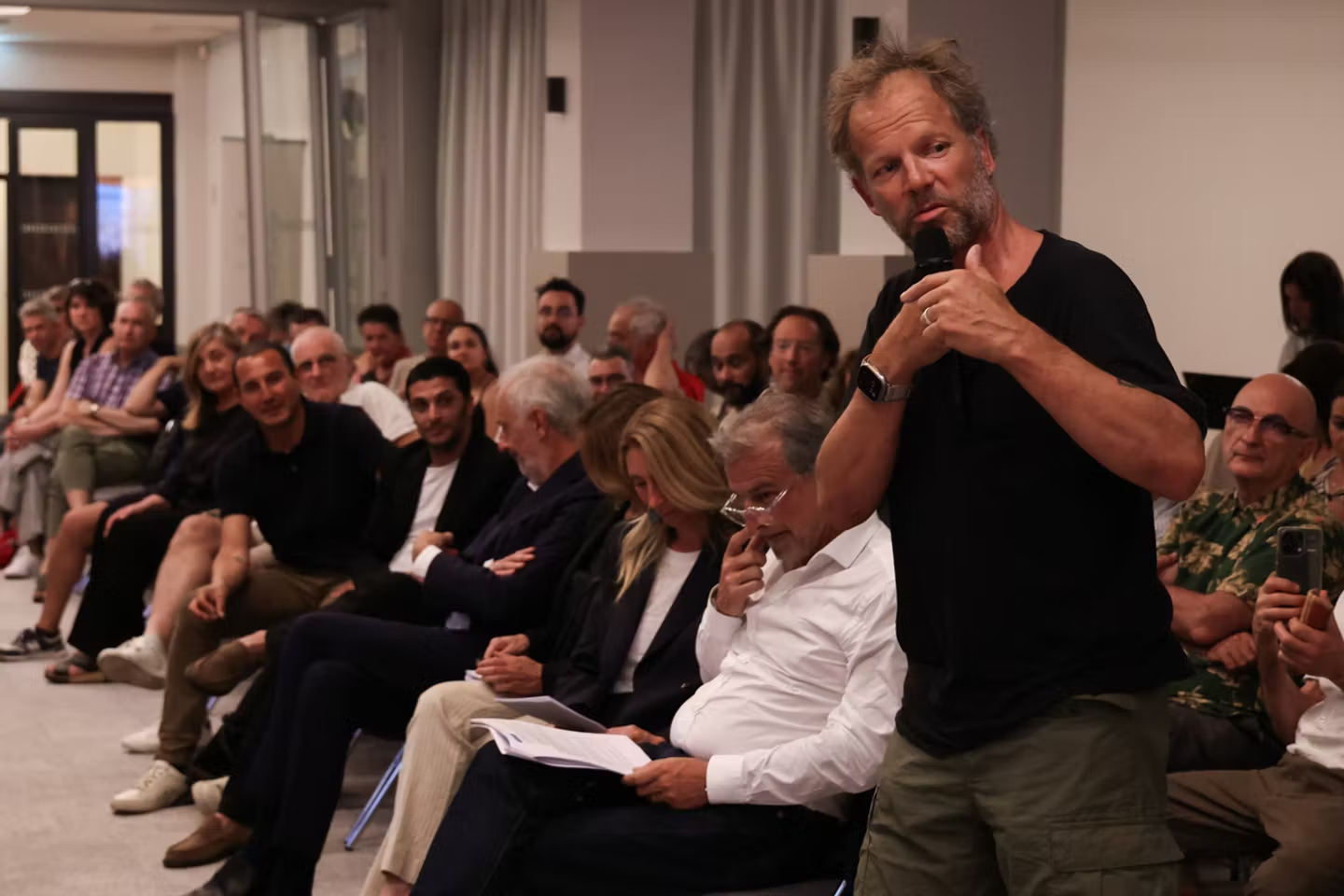
There are names which, until yesterday, evoked the light of the South, mastered raw concrete, a certain idea of architecture that is both cultured and generous. Today, the name Matthieu Poitevin is associated with a very different tone: that of a complaint, a suspension, and a deafening silence. The Marseille-based architect, known for arguing that "architecture is above all a cultural discipline," has just been removed from his teaching post at the National School of Architecture of Marseille (ENSA-M) following reports from female students concerning acts of gender-based and sexual violence. A temporary exclusion, but one whose reverberations promise to be lasting.
A local figure brought to account by student testimony
For those who follow the architectural microcosm of the Phocaean city, the name Matthieu Poitevin is no stranger. You'd see him at conferences, read his articles advocating for a certain ethical approach to building. Just this summer, he was speaking in local media, championing a demanding vision of the profession. But the start of the 2026 academic year has taken a dramatic turn. The management of ENSA-M, upon receiving a report, activated the procedure provided for by law. The result: an immediate suspension from his teaching duties, pending clarification from the legal system. It is not a conviction, it is a precautionary measure. But in the small world of architects, it is already an earthquake.
What strikes you in this affair is the contrast between the public figure and the acts he is accused of. Matthieu Poitevin is not an unknown. He embodies a certain academic respectability. Indeed, in a recent interview, he stated: "Architecture is above all a cultural discipline." A sentence that today rings out as a terrible slap in the face. Because it is precisely this "culture" of the milieu – that of the studios, of charismatic men, of tacit power dynamics – that is now being brutally called into question. The reports at ENSA-M are not isolated incidents; they are symptomatic of a system of power that has for too long protected its own.
Architecture, the last bastion of patriarchy?
It would be a mistake to reduce this affair to a simple piece of local news from Marseille. It is part of a broader sequence. After cinema, theatre, and gastronomy, the hushed world of architectural practices and schools is beginning to creak too. How many times have I heard, in the corridors of the profession, young women recounting inappropriate comments, lingering hands on models, or persistent invitations during end-of-year juries? Until now, the law of silence prevailed. The thinking was that this was the price to pay for entering the big league. The suspension of Matthieu Poitevin changes the game. It shows that a report, even against a big name, can lead to swift administrative sanction.
From a purely business perspective, the shockwave is considerable. Ask yourself: what happens to a firm's reputation when its leading partner is tarnished by this type of accusation? Local authorities, who award public contracts, suddenly become very cautious. Private developers, sensitive to their image, start looking elsewhere. Professional indemnity insurance policies, already difficult to negotiate in the profession, could see their premiums skyrocket if the Poitevin firm is deemed higher risk. Beyond the individual, it's an entire ecosystem that must revise its risk assessment frameworks. Ethics consultants and lawyers specialising in harassment will see their order books fill up. Prevention becomes a commercial argument. Schools, for their part, will have to rethink their charters and procedures, lest their funding or accreditation be threatened.
What does this affair teach us?
Beyond the individual fate of Matthieu Poitevin, three lessons seem crucial for the future of the sector:
- The end of omertà in the studios: Students, and especially female students, now feel legitimised to speak out. School administrations, under pressure from the ministry, no longer have the luxury of silence. Voices are being freed, and that is a good thing.
- The urgent need to revise the codes of "architectural culture": Architecture can no longer be seen as a discipline apart, above common social laws. Creative genius does not excuse predatory behaviour. Future architects must be trained in healthy professional relationships.
- The necessary legal safeguarding of practices: For firms, "reputation risk" becomes a systemic risk. Investing in training, appointing a harassment contact officer, establishing internal reporting procedures are no longer options, but conditions for economic survival.
The decision to suspend Matthieu Poitevin is only the beginning. The legal path will be long, and the architect is entitled to the presumption of innocence. But the damage is done, the trust is broken. For ENSA-Marseille, it is a trial. For the profession, it is an opportunity. The opportunity to look in the mirror and admit that "cultural disciplines" can only thrive on solid ethical foundations. The concrete, as it were, has already been poured. It remains to be seen whether the profession will know how to rebuild on healthier foundations, or whether it will simply paper over the cracks.