Riyadh Under Siege: What the Drone Strike on the US Embassy Means for the City of the Future
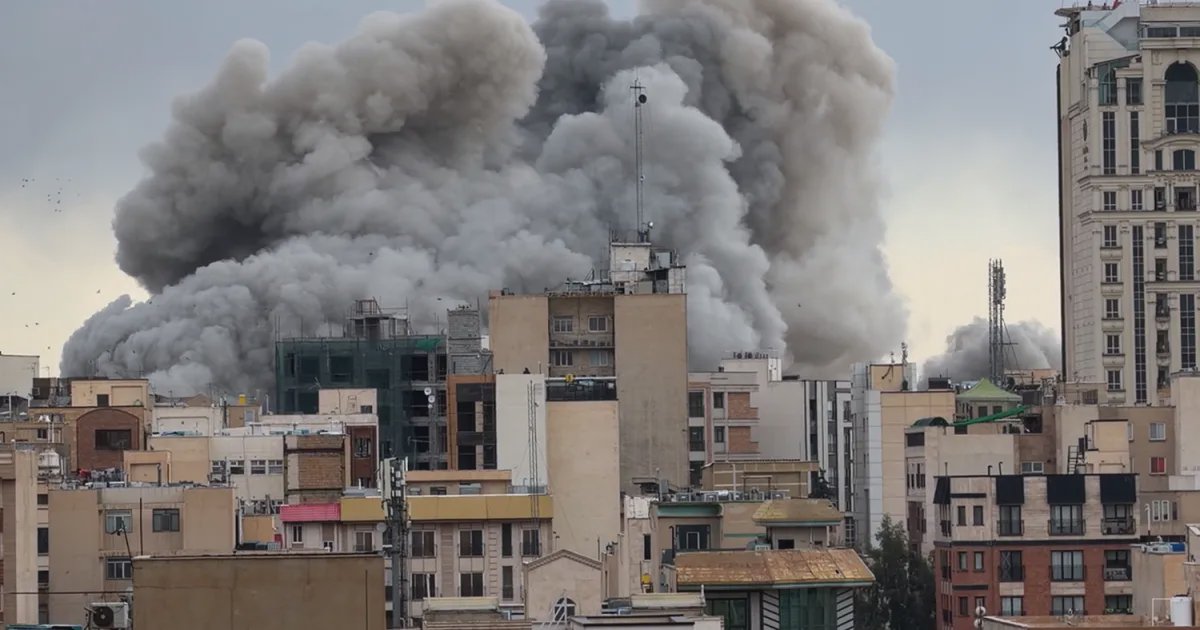
Let's be brutally honest about what happened in Riyadh in the early hours of Tuesday morning. For anyone who has been tracking the Kingdom's meteoric rise—the endless stream of diplomatic forums, the record-breaking Al-Nassr FC signings, the non-stop construction crane race across the skyline—seeing that plume of smoke rise from the U.S. Embassy compound was a gut punch. It wasn't just an attack on a diplomatic mission; it was a direct hit on the narrative of a stable, secure, and hyper-investable future that Saudi Arabia has so carefully crafted.
I've spent the better part of two decades flying in and out of the Gulf, watching this city transform from a dusty, congested hub into a would-be global titan. And in that time, I've rarely felt the tectonic plates of geopolitics shift as violently as they did today. The images of the damaged embassy walls, the Saudi Defense Ministry confirming the strike by two drones, and the subsequent interception of eight more near the capital—it all paints a picture of a city suddenly on the front lines of a conflict nobody here wanted. My contacts inside the security apparatus tell me the panic in the command centers was palpable; they simply never expected the retaliation to land this close to the throne.
The Ghost at the Feast: Security and the Bottom Line
For the international C-suite executives who have been flocking to Riyadh Province to secure their slice of the Vision 2030 pie, this is the nightmare scenario. You can talk about giga-projects and economic diversification all you want, but the unspoken bedrock of foreign direct investment is ironclad security. The moment that foundation cracks, the calculus changes. We saw it immediately in the markets, with Asian stocks tumbling and Brent crude spiking past $83 as the conflict threatens the Strait of Hormuz. But the real damage to Riyadh won't be measured in oil futures; it will be measured in the confidence of investors.
Consider the sheer scale of what's at stake. Anyone who was at the Cityscape Global exhibition last November heard the announcements: a staggering $43 billion in real estate deals. The targets are staggering—over 730,000 new housing units needed in the capital alone by the end of the decade. This isn't just about building towers; it's about building a future. And that future is now being funded against a backdrop of Iranian retaliation that has already targeted not just embassies, but the very infrastructure of the regional economy. I've had three separate calls this morning from fund managers in London who are now demanding emergency risk assessments on their Saudi holdings. The money is getting nervous.
The industrial and logistics sector has been on an absolute tear. You couldn't move for cranes and new warehouses. Rents shot up 16 percent last year, and you'd be lucky to find a spare square meter, with occupancy rates hovering around 98 percent. That growth was fueled by e-commerce and a tech boom, with giants like Oracle and Huawei planting their flags. But that kind of growth requires a predictable environment. It requires the smooth transit of goods and, more importantly, the unshakeable belief that your capital investment is safe. A conflict that closes airspace, threatens shipping lanes, and rains drones on capital cities is the fastest way to evaporate that belief. A logistics CEO I know personally is already drafting evacuation protocols for his expat senior staff.
The Beautiful Game Meets Brutal Reality
And then there is the soft power play, the one that has captured the world's imagination more than any dry economic report. I'm talking, of course, about soccer. For the past few years, Riyadh has been the epicenter of a sporting revolution. We've watched it with our own eyes: the arrival of global icons at Al-Nassr FC and their bitter rivals Al Hilal Saudi Club has transformed the local league into a global spectator sport. It's been a masterclass in using sport to rebrand a nation.
The Saudi Pro League wasn't just about signing stars; it was about selling tickets to a new reality. Matches at Mrsool Park and the Kingdom Arena became must-see events, beamed into pubs and living rooms from Dublin to Vancouver. The state-backed Public Investment Fund has been pouring money into every level of the game, from grassroots fitness initiatives—with weekly participation rates nearly quadrupling since 2015—to the construction of massive, new stadiums designed to host the 2034 World Cup. We're talking about an Olympic-sized, 47,000-seat venue in the Qiddiya entertainment city, a project designed to be a testament to Saudi ambition.
But here's the hard truth: nobody is going to travel across the world to watch a glamorous soccer match in a city where they fear for their physical safety. The sporting calendar, from the Riyadh Season Cup to the Spanish and Italian Super Cups that have found a lucrative home here, relies entirely on the ability to project an image of glitz, glamour, and, above all, safety. That image is now fighting for airtime with footage of embassies on fire. I'm hearing whispers that at least two major European clubs are reconsidering their pre-season tours scheduled for August.
The Uncomfortable Read
This brings me to a book that's been sitting on my desk, dog-eared and highlighted. It's a book by a journalist who has chronicled this era of consolidation of power perhaps better than anyone. The title says it all: "The Hour of the Predator: Encounters with the Autocrats and Tech Billionaires Taking Over the World." It's a phrase that has stuck with me because it perfectly encapsulates the Faustian bargain that many in the global elite have made with the Kingdom. In exchange for unfettered access to capital and a chance to be part of a historic transformation, they've been willing to overlook the inherent risks of partnering with an autocratic system in a volatile region.
Today, that risk is no longer an abstract concept to be debated in a boardroom or glossed over in a due-diligence report. It's a very real, very visible scar on the wall of an American diplomatic mission. The "Predators"—the tech billionaires and financiers—are now confronted with the messy, dangerous reality of the "Hour." The question they're all asking themselves this morning isn't about ROI; it's about stability.
What does the next few weeks look like for Riyadh? It looks like a city under a permanent amber alert. It looks like the $22.5 billion Riyadh Metro, a marvel of modern infrastructure, running half-empty as people heed shelter-in-place orders. It looks like the tens of thousands of Americans living in the Kingdom being told to stay inside, their presence now a liability rather than a symbol of partnership. The State Department has already quietly ordered non-essential personnel to evacuate from six countries in the region—that's not public yet, but it's all over the diplomatic grapevine. That kind of signal ripples through the entire ecosystem.
Make no mistake, the Saudi leadership will not flinch. They have invested too much and come too far. The strikes on the U.S. Embassy will be met with an iron fist, and the security apparatus will be ratcheted up to unprecedented levels. But for the man on the street in Riyadh, for the expat consultant working on a giga-project, for the soccer fan hoping to see his club's latest superstar signing, the sense of invincibility is gone. The conflict is no longer a headline from Tehran or Beirut. It's here, in the diplomatic quarter, and it has changed everything.
The key impacts to watch in the coming days are clear:
- Investor Confidence: A freeze on new, non-essential FDI as global firms quietly run emergency risk assessments. I'm already hearing of three major tech summits being put on ice.
- The Insurance Squeeze: Skyrocketing premiums for war-risk coverage on shipping and projects in the Riyadh Province, which will immediately raise the cost of doing business by double digits.
- Talent Flight: An exodus of expatriate families. The international schools in the diplomatic quarter were half-empty today. This directly impacts the knowledge transfer so crucial to Vision 2030.
- The Soccer Factor: Potential cancellations or relocations of major international sporting events. The buzz around the next Al-Nassr transfer target has gone completely silent.
- Real Estate Jitters: A sudden chill in the luxury housing market, which has been the bellwether for expat confidence.
For years, we've talked about Riyadh as the city of the future. Today, we are brutally reminded that the future is not guaranteed. It is built, and it can be broken. And right now, in the smoldering aftermath of a drone strike, the most valuable commodity in the Saudi capital isn't oil or even gold. It's certainty. And certainty, my friends, is suddenly in very short supply.