The Ripple Effects of the Iran Conflict: Is Dubai International Airport in the Crosshairs? 17 Days of Tension
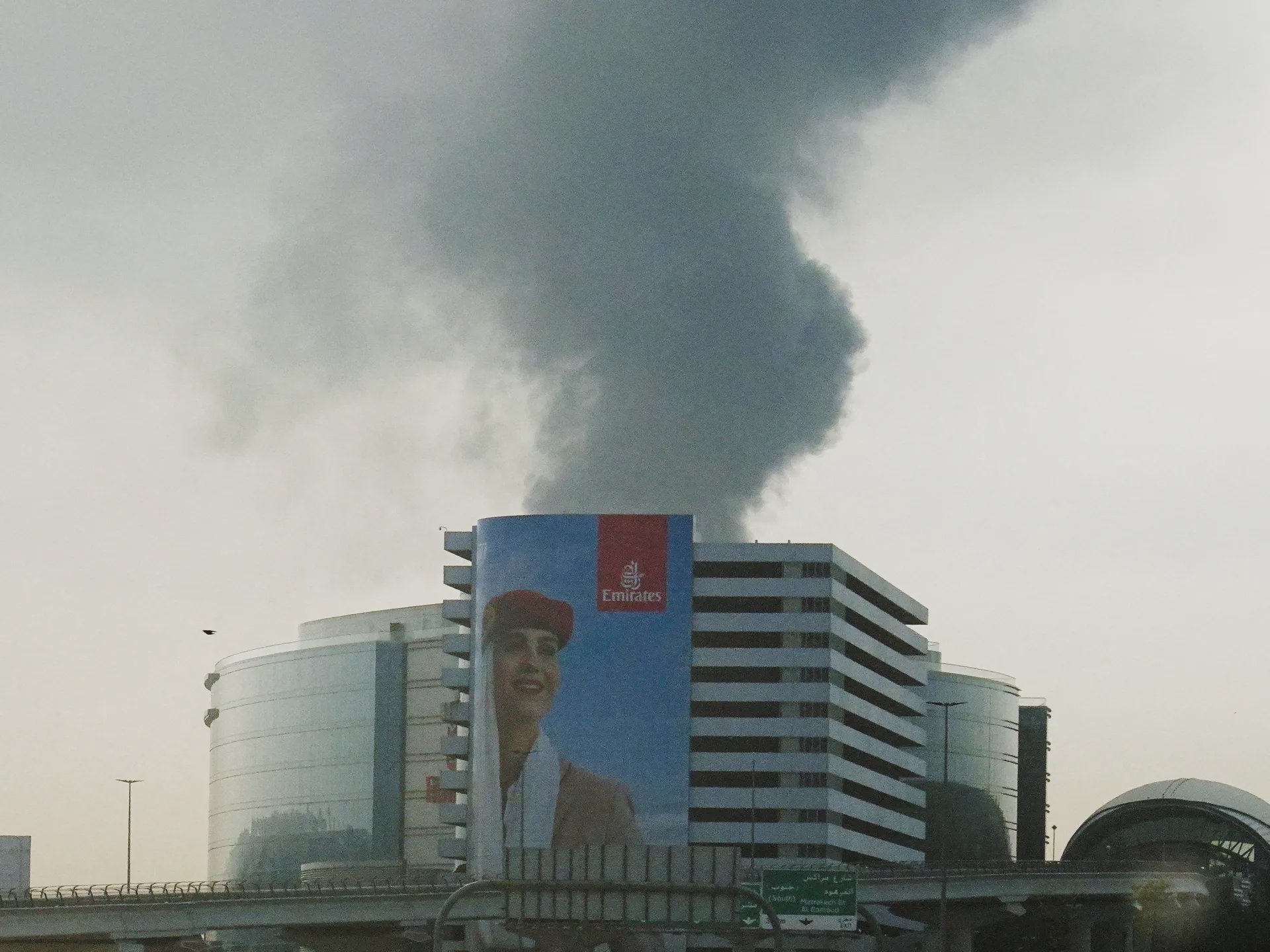
For the past 17 days, the region has been living on a knife's edge. It started with airstrikes, escalated into threats, and reached a point where talk of closing airspace became a real possibility. Here in the UAE, we're not used to seeing drones featured in local news, but that's our new reality. Conversations at local gatherings aren't about business deals or travel plans anymore, but one single question: if Iran retaliates, could Dubai International Airport be in the line of fire?
An Unforgettable Memory: Flight 655 and the Number That Haunts Pilots
Everyone here is tracking the movements of naval vessels in the Gulf. Sitting in living rooms watching TV screens, people are suddenly reminded of an old story. Decades ago, there was a civilian passenger plane, Iran Air Flight 655. It took off as a routine flight, but a grave miscalculation turned it into a fireball in the sky. That number is etched into the memory of civil aviation in this region. No one wants a repeat of that tragedy, but with this many missiles flying across borders, the lines between civilian and military remain dangerously blurred. Sources familiar with air navigation operations confirm that control rooms in Dubai are working around the clock, their eyes glued to the radar.
The Airport Isn't Closed, But Passengers Are Paying the Price
The scene at Dubai International Airport these days is nothing like it was a month ago. While flights haven't stopped, chaos is the name of the game. Planes are being forced to reroute to avoid conflict zones, leading to delays and higher fuel consumption. Some global airlines have opted for temporary cancellations. For the average traveller, this means longer waiting hours and pricier tickets due to increased aircraft insurance premiums. The situation is stable but fragile, and one small mistake could lead to disaster. What's certain is that any decision to suspend fuel imports or shift energy sources, like moving towards compressed natural gas solutions, is a precautionary move anticipating the worst-case scenario.
How the War Affects Daily Life: From the Supermarket to the Gas Pump
War isn't just newspaper headlines. Its impact reaches into the pockets of citizens and residents alike. Whispers from economic decision-making circles suggest a genuine fear of supply shortages. There's also a profound human and psychological toll, which can be summed up in these points:
- Securing Essentials: A slight but noticeable uptick in buying staple goods. Some remember the COVID-19 crisis, while others hear warnings of an upcoming heatwave and decide to get a head start on summer supplies like Westside kids toys and air conditioners before prices jump.
- Energy Hedging: The fear of the war spreading to oil tankers has governments seriously considering alternatives. The idea of halting fuel imports isn't off the table anymore, and preparations for using alternative energy are in full swing.
- Gulf Solidarity: What's happening in Iran will undoubtedly resonate everywhere, even in Africa. Talking about the war's impact on African nations isn't an exaggeration; everyone is connected by shared energy sources.
The Public Has Faith, But They're Watching Closely
When you walk through Dubai's malls and markets, life seems normal. Cafés are full, roads are busy. But the topics of conversation have shifted. It's no longer just about tonight's UEFA Champions League match; it's mixed with political analysis of US-Israeli strikes. People here trust the prudent decisions of their leadership, which has declared neutrality. But at the same time, everyone knows that shrapnel from any major explosion in the region won't respect borders. The confidence is there, but it's the confidence of a man walking along a cliff edge: he knows the rope is strong, but he still trembles at the abyss.