Falling Dominoes: How 17 Days of Iran Tensions Put Dubai International Airport in the Crosshairs
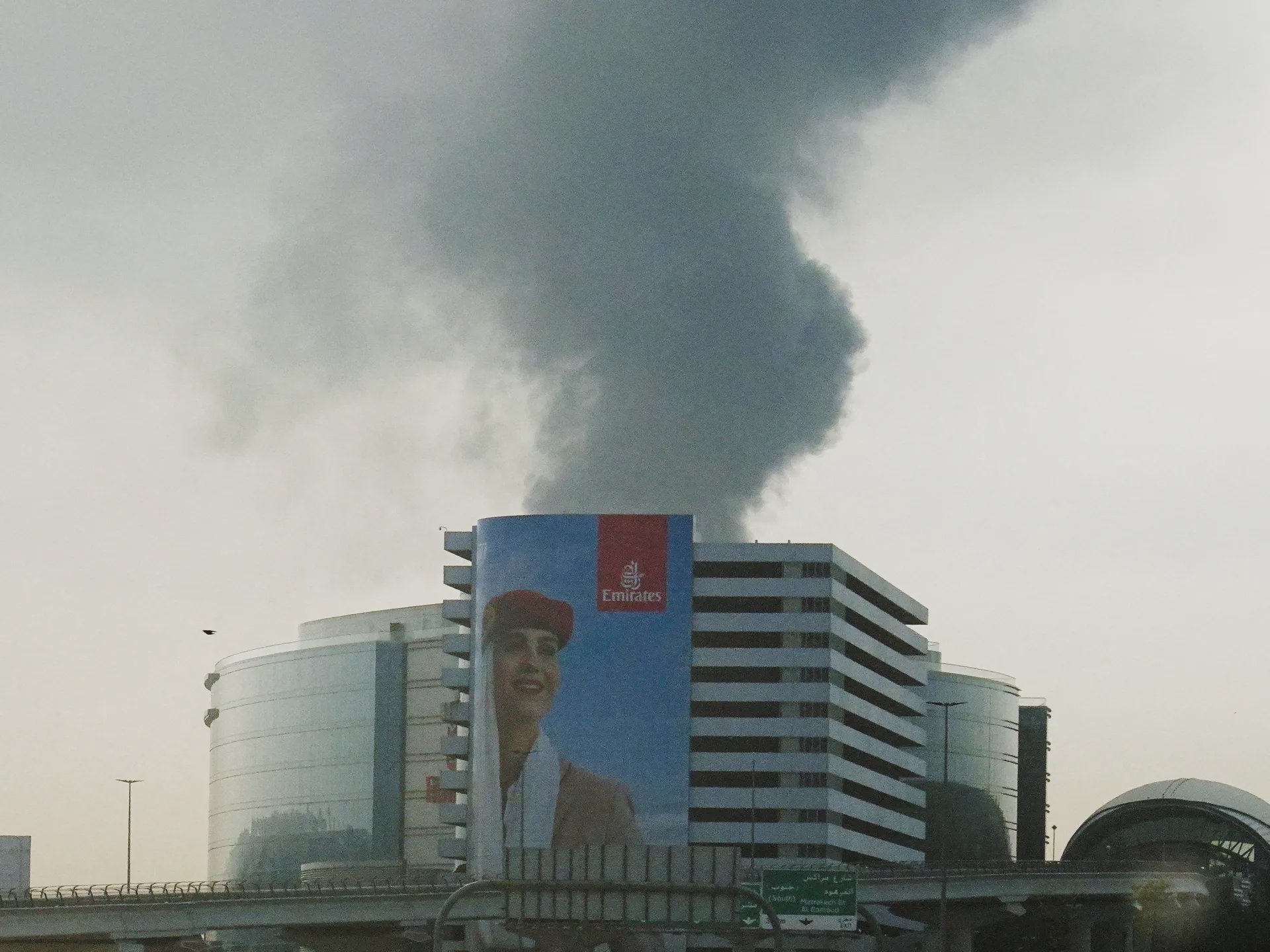
For the past 17 days, the region has been living on a knife's edge. It started with airstrikes, escalated into threats, and has now reached a point where talk of closing airspace feels frighteningly real. Here in the UAE, we're not used to seeing drones in the local news, but that's our new reality. The chatter in the local cafés isn't about business deals or travel itineraries anymore; it's all about one question: If Iran retaliates, is Dubai International Airport in the firing line?
A Ghost That Won't Fade: Flight 655 and the Number That Haunts Pilots
Everyone here is watching the naval movements in the Gulf. Sitting in their living rooms glued to the news, a dark chapter suddenly comes flooding back for many. Decades ago, a civilian airliner, Iran Air Flight 655, took off on a routine flight, only to be turned into a fireball by a tragic miscalculation. That flight number is etched into the memory of every civil aviation professional in the region. No one wants a repeat of that tragedy, but with all these missiles flying overhead, the line between civilian and military corridors is dangerously blurred. Sources with insight into air traffic control operations confirm that Dubai's control towers are running 24/7, eyes glued to the radar, not missing a thing.
The Airport Isn't Closed, But Travellers Are Paying the Price
The scene at Dubai International these days is a far cry from what it was a month ago. Sure, flights haven't stopped, but chaos is the new normal. Planes are being forced to reroute to avoid conflict zones, leading to delays and burning through extra fuel. Some global carriers have temporarily pulled the pin on their flights. For the average traveller, this means longer waits at the terminal and pricier tickets as insurance premiums for airlines go through the roof. The situation is stable, but it's fragile. A small mistake could spell disaster. It's clear that any talk of suspending petrol imports or shifting energy sources, like looking into compressed natural gas solutions, is purely precautionary – planning for the worst-case scenario.
The War at Home: From the Supermarket to the Service Station
War isn't just headlines. Its impact hits you in the hip pocket. Whispers from economic circles suggest genuine concern about supply shortages. There's also a human and psychological toll, which can be summed up like this:
- Stocking Up on Essentials: A subtle but noticeable uptick in buying non-perishables. Some remember the panic of COVID, while others hear warnings of a scorching summer ahead and are getting in early, picking up everything from West children's toys to air conditioners before prices inevitably jump.
- Hedging Bets on Fuel: The fear of the conflict spreading to oil tankers has governments seriously weighing up their options. The idea of halting petrol imports isn't off the table anymore, and preparations for fallback fuel sources are quietly ramping up.
- Gulf Solidarity: What's happening in Iran will undoubtedly have a flow-on effect, even as far as Africa. Talking about the impact on African nations isn't an overstatement – everyone's tied to the same energy grid.
Streets Are Calm, But Eyes Are on the Horizon
Wander through the malls and markets of Dubai, and life seems to go on. The cafés are buzzing, the roads are clogged. But the small talk has changed. It's no longer just about who's playing in the Champions League tonight; it's laced with political analysis of the latest US or Israeli strikes. People here trust their leadership's decision to stay neutral. But at the same time, everyone knows that shrapnel from a major explosion in the neighbourhood doesn't check passports. The trust is there, but it's the trust of a man walking a tightrope: he knows the rope is strong, but he can't help but tremble at the drop below.