Japan Shakes Again: From Nankai Trough Quake Predictions to Alert Apps – What You Need to Know About Disaster Preparedness
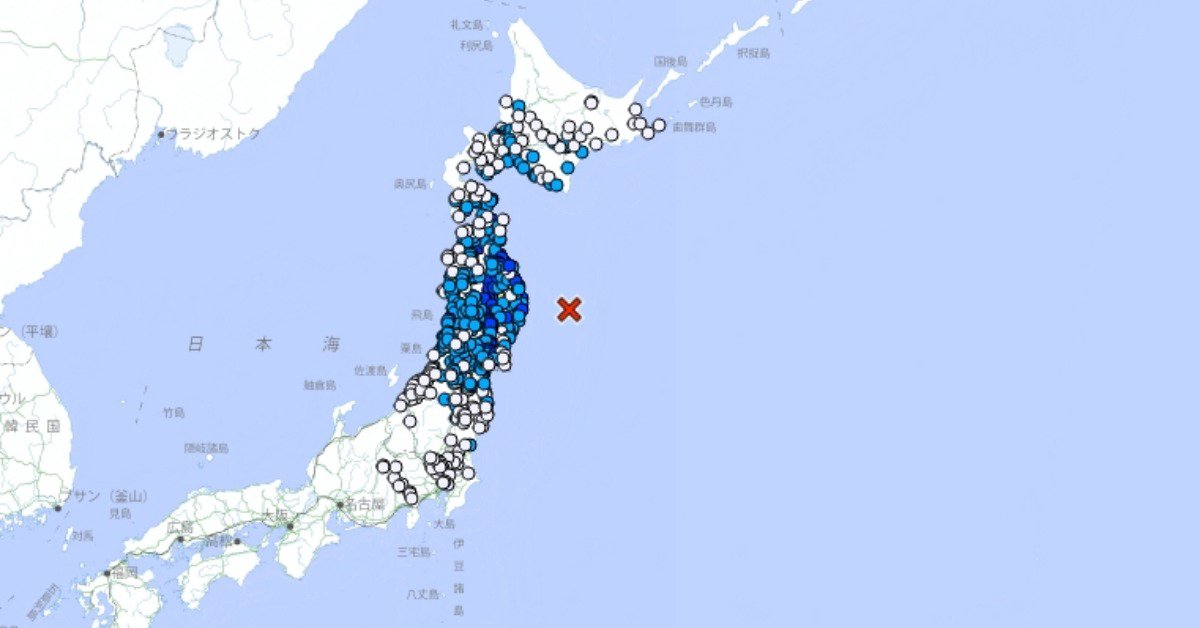
Has your earthquake early warning app been going off like crazy lately? Honestly, my group chat with friends in Tokyo hasn't stopped since last night—everyone’s asking, “Did you feel that?” The initial data from industry sources put the epicenter off the coast of Kyushu. While the magnitude wasn't as huge as some feared, it was an extremely shallow quake, making the shaking very noticeable all the way from Kyushu to the Kansai region. As a veteran who’s been living here for over a decade, I have to say, this frequency is enough to keep anyone on edge.
Don't Just Think About 3/11 – The Real Threat Might Be the Nankai Trough
Every time there's a tremor, predictions start flooding the internet. Lately, the hot topic is the so-called “2025 Japan earthquake prediction.” Honestly, these kinds of predictions pop up with a new date every few years. But why did the official government prediction committee hold a special press conference this time? Because their concern isn't a specific “prophecy date”—it’s the Nankai Trough, which scientists have been watching closely for a long time.
Remember the lessons from the 2011 Tōhoku earthquake and tsunami (the one we call 3/11)? That was a megathrust earthquake, and the Nankai Trough is like a spring that has been building up immense energy. The committee's assessment isn't meant to scare you, but to show you the hard data: the probability of a magnitude 8 to 9 megaquake occurring in the next 30 years is between 70% and 80%. This isn't a mystical prophecy; it's solid geological probability. So, instead of worrying day and night about which specific day it might happen, treat this number as a reminder—just like when a weather forecast says “80% chance of rain tomorrow,” you'd grab an umbrella, right?
Your Smartphone Is Your Best Lifeline
So, you're probably wondering, “What can I actually do right now?” The truth is, for most of us, our smartphone is the most indispensable item we have, and it can also be your most immediate tool for staying safe during an earthquake.
I bet many of you have more than one earthquake early warning app installed. But do you really know how to use them? It's not just about being startled by the alert; it's about knowing how to “read” the information. Here are a few practical tips I've picked up from going through countless tremors over the years:
- Learn to Read the “Predicted Seismic Intensity”: When an alert comes in, it usually shows a “predicted intensity.” If it's below a 3, you can breathe a little easier and just observe. But if it shows “Upper 5” or “Lower 6” or above, don't wait—take cover immediately. Put your phone down and protect yourself.
- Enable “Emergency Alert” Notifications: Beyond apps, your phone's system likely has built-in emergency alert features. Make absolutely sure these are turned on in your settings. Sometimes the system's official alerts arrive faster and are more authoritative than any third-party app.
- Use the “Report” Feature in Apps: After the shaking stops and you're safe, take a moment to report your location and what you felt through the app. This feedback provides crucial data for authorities to refine their information models. It's a small gesture that can help others.
Don't Let “Cry Wolf” Syndrome Numb Your Awareness
Honestly, for those living in Japan or visiting frequently, experiencing earthquakes can feel as routine (and as frustrating) as dealing with typhoons in Taiwan. The biggest danger is becoming desensitized. When alerts go off constantly, it's easy to start thinking, “Well, nothing happened this time,” and just ignore them.
This is what's known as “normalcy bias,” and it's a major pitfall in disaster preparedness. Remember, we can never predict exactly when the next big one will hit, but we can control how we respond *every single time*. The next time your phone sounds the alarm, don't just glance at it and scroll through social media. Run through your mental checklist: stay calm, take cover, hold on. It's not complicated, but those few seconds of decisive action can make all the difference when it counts.