Japan Shakes Again! From the Nankai Trough Earthquake Forecast to Alert Apps: The New Disaster Preparedness Essentials You Need to Know
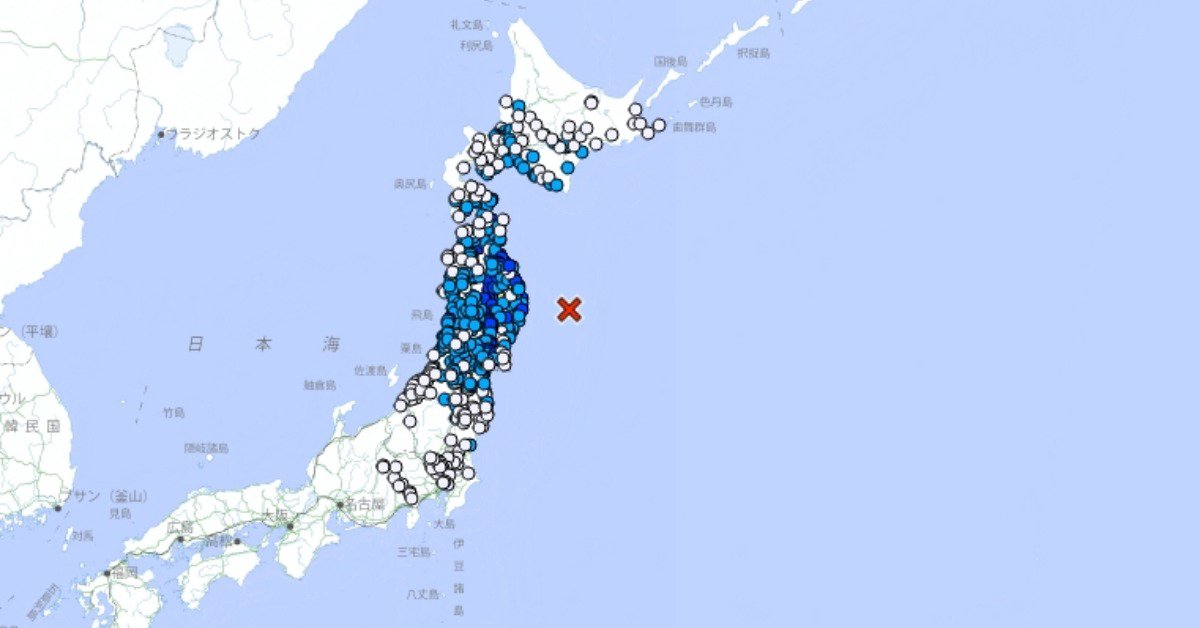
Has your earthquake early warning app been going off like crazy again? Honestly, my group chat with friends in Tokyo hasn't stopped buzzing since last night. Everyone's asking, "Did you feel that one?" Word from my network says the epicenter was off the coast of Kyushu. While the magnitude wasn't as huge as feared, it was an incredibly shallow quake, making the shaking distinctly noticeable from Kyushu all the way to the Kansai region. As a veteran who's been here for over a decade, I have to say, this frequency is really putting everyone on edge.
Forget 311 for a Moment; The Real 'Big One' Might Be the Nankai Trough
Every time there's a tremor, the internet starts buzzing with predictions. Lately, the hot topic is the so-called "2025 Japan earthquake prediction." Honestly, these predictions pop up with a new date every few years. But why did even the official coordinating committee hold a special press conference this time? Because they're not focused on a specific "prediction date," but on the "Nankai Trough," which scientists have been monitoring closely for a long time.
Remember the lessons from the 2011 Great East Japan Earthquake (the one we often just call 3/11)? That was a megathrust earthquake. The current state of the Nankai Trough is like a spring that's been storing immense energy. The committee's assessment isn't meant to scare us; it's about presenting the data clearly: over the next 30 years, there's a 70-80% probability of a magnitude 8-9 megaquake. This isn't some mystical prophecy; it's hard geological probability. So, instead of anxiously guessing which day it'll hit, treat that figure as a reminder. Just like when a weather forecast says an 80% chance of rain, you'd take an umbrella, right?
Your Smartphone: Your Best Lifesaving Companion
Alright, I know you're probably thinking, "So what can I actually do now?" The thing is, we're practically glued to our phones, and that device is now one of our most immediate lifesaving tools during an earthquake.
I bet many of you have more than one earthquake early warning app on your phone. But do you really know how to use them? Besides the initial jolt of the alert, it's more important to learn how to "read" the information. Here are some practical tips I've picked up from countless tremors over the years:
- Learn to read the 'Predicted Seismic Intensity': When an alert comes in, it usually shows a predicted intensity level first. If it says 3 or lower, you can breathe a little easier and just stay alert. But if it shows '5+ (Shindo 5+)' or '6- (Shindo 6-)' or higher, don't wait—immediately take cover nearby, and stop scrolling on your phone.
- Enable 'Emergency Alert' Permissions: Besides apps, your phone itself likely has built-in government alert systems. Make absolutely sure this feature is enabled in your settings. Sometimes, the alerts from the system are faster and more authoritative than any third-party app.
- Use the 'Report' Feature in Apps: After the shaking stops, if you're safe, you can use the app to quickly report your area and what you felt. This feedback becomes valuable data for relevant agencies to refine subsequent information. It's a small gesture that can help many others.
Don't Let 'Crying Wolf' Desensitize You
Honestly, if you live in Japan or visit often, you probably feel about earthquakes the way people in Taiwan feel about typhoons—it's something you're used to, even if it's frustrating. The biggest danger is when "getting used to it" makes you complacent. When alerts go off constantly, it's easy to start thinking, "Well, nothing happened this time either," and not bother to react.
That's what's known as "normalcy bias," and it's a major pitfall in disaster preparedness. Remember, we can never precisely predict when the next big one will hit, but we can control our response *every single time*. The next time your phone buzzes, don't just glance at social media posts. Run through your mental SOP: stay calm, take cover, hold on. It's not complicated, but in a critical moment, those few seconds of reaction make all the difference.