The Sinking of the IRIS Dena: How a "Quiet Death" in the Indian Ocean Changes Everything
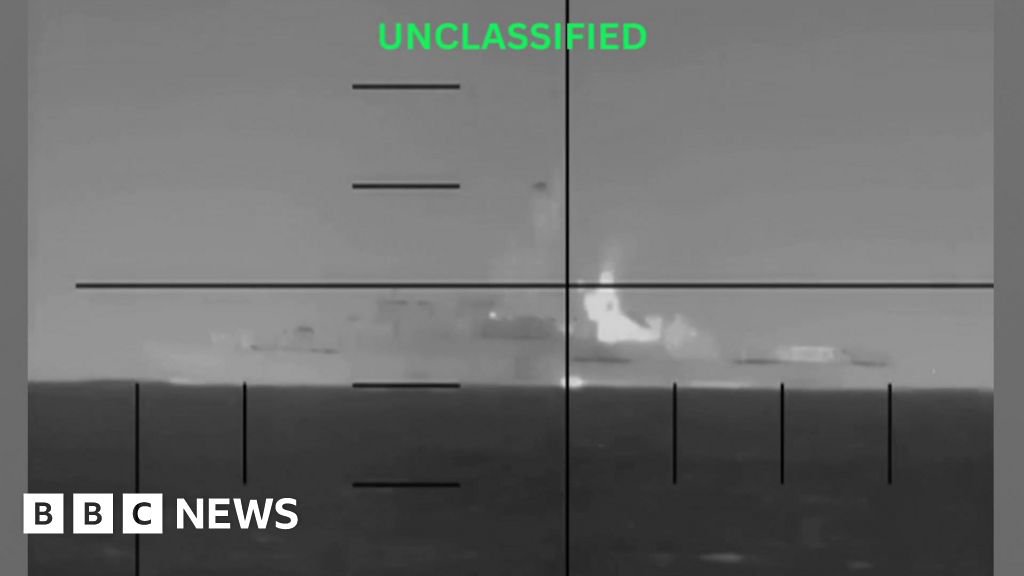
We often like to think of the Indian Ocean as a peaceful expanse, a place where our navy conducts disaster relief and we send our sports teams to compete. Well, that perception was shattered on Wednesday. A US submarine fired a torpedo and sank an Iranian warship just outside Sri Lankan waters, and suddenly this conflict feels a lot closer to home.
The vessel was the IRIS Dena, a Moudge-class frigate that, just a couple of weeks ago, was the guest of honour at the Indian Navy's "Milan 2026" wargames in Visakhapatnam. You can picture the scene: Iranian officers shaking hands with their Indian counterparts, sharing meals, the whole diplomatic routine. Word from those on the ground was that the Indian Eastern Naval Command even put out a statement about the "long-standing cultural links" as they welcomed the Dena. It was all very civilised.
Then, on its long voyage back home, navigating through international waters off Sri Lanka, it was hit. US Defence Secretary Pete Hegseth called it a "quiet death." He stood at the Pentagon and said, "An American submarine sank an Iranian warship that thought it was safe in international waters. Instead, it was sunk by a torpedo." He noted it was the first time an enemy ship had been taken out by a torpedo since World War II.
The numbers are grim. There were nearly 180 crew on board. The Sri Lankan Navy, who scrambled to help after hearing the distress call, have so far pulled 32 critically wounded sailors from the water. They've also recovered 87 bodies. The search area is now an oil slick where a ship full of sailors used to be.
Why This One Hits Different
We've all been watching the Middle East tensions escalate over the past week. The strikes on Tehran, the retaliation, the closure of the Strait of Hormuz. It's been on the news, feeling distant. But the sinking of the IRIS Dena isn't in the Gulf. It's here, in our region.
A senior naval source in the region put it bluntly: this is a stark "reality check". By targeting a vessel that was effectively a diplomatic guest of India, the US has dragged the war right into the neutral waters of the Indian Ocean. It proves that nowhere is really off the table now. Internal defence assessments indicate the US has already destroyed 17 Iranian ships. They are systematically taking out the Iranian navy, and they're doing it right on our maritime doorstep.
What This Means for Us Back in Singapore
So, why should you care while you're having your kopi? Because our government is closely monitoring the situation. While no official evacuation order has been issued for Singaporeans, the Ministry of Foreign Affairs has advised those in the region to stay vigilant and avoid non-essential travel to conflict zones. We have Singaporeans living and working across the Middle East and nearby areas who could be caught in the crossfire.
Here's the situation on the ground as it stands:
- The Strait of Hormuz is effectively closed. Iran's Revolutionary Guards say they'll set fire to any ship trying to pass. Oil prices are already spiking, which will inevitably hit us at the pumps here in Singapore.
- Airspace is a mess. Major hubs like Dubai are disrupted, making commercial flights out of the region a nightmare for travellers and Singaporeans abroad.
- The conflict is spreading. It's not just Iran and Israel anymore. Lebanon is copping heavy strikes, and Saudi Arabia, Qatar, and Kuwait have all been hit by missiles or drones.
There is also a human side to this that you don't see in the defence briefings. The Iranian women's football team is currently in Australia, getting ready to play in the Asian Cup. At a press conference, one of their strikers, Sara Didar, got emotional. She spoke about her teammates' families back home, the difficulty of contacting them due to internet blackouts, and her hope that they can give their country some "good news" through the game. It's a stark reminder that even as warships sink, life—and sport—tries to go on.
For now, the official advice is to shelter in place if you're over there, and to get out if you can safely make it to a commercial flight. But with a US submarine having just fired the first torpedo since WWII in waters off Sri Lanka, the definition of "safe" just got a whole lot narrower. We're not spectators anymore. We're in the neighbourhood.