Hokkaido Public High School Exam 2026: The Real Story & New Trends in the Education Business
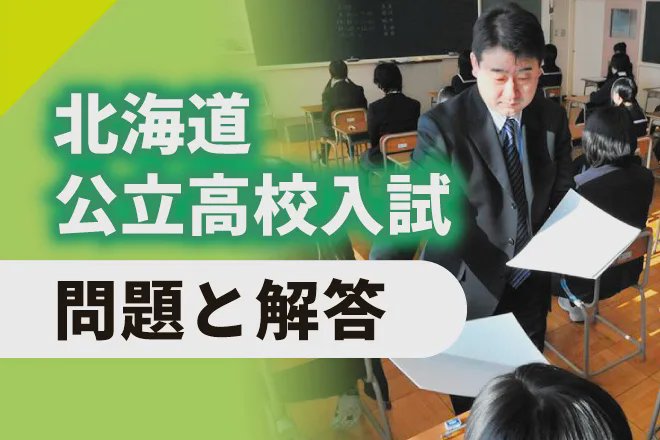
On March 3rd, public high schools across Hokkaido simultaneously announced their exam results. On this day, as the cold weather finally began to ease, the notice boards in front of each school were filled with a mix of joyful cheers and bitter disappointment from students. It marked the end of a long exam war. But for someone like me, who has been in the education industry for over 30 years, this day is just a checkpoint. What's more important is to look ahead, to spot future educational trends and find clues on how families and businesses should navigate them.
English "Got Tougher," Desired Schools Show "Polarisation"
If I had to sum up this year's Hokkaido public high school exam in a phrase, it would be "subject imbalance" and "polarisation in school choice." The first thing that caught my attention was the results of the academic achievement tests. While the average score for English rose significantly compared to the previous year, Maths was clearly more difficult. This aligns with internal information I gathered from several tuition centres and the feedback I heard directly from students at the exam venues. As a result, the score distribution among top-tier students shifted, and at super competitive schools like Sapporo Minami and Kita, it's highly likely that Maths scores played a bigger role than ever in determining success or failure.
Furthermore, the application ratios are worth noting. Despite the declining birthrate, popularity for traditional schools and those with attached junior high schools remains strong, with some even seeing ratios higher than last year. Conversely, public schools in the middle and lower tiers are clearly struggling to fill their quotas, creating a stark divide between the "winners" and the "others." This polarisation is likely to accelerate. The image that parents might have of "any public school will do" is now a thing of the past.
The "Real Game" Begins After the Results Announcement
After the results are out, many families breathe a sigh of relief. But I think it's important to pause and reflect here. The exams are over, but your child's learning journey continues. In fact, how they grow during their high school years will shape their university entrance exams and life beyond. That's why I strongly encourage parents and students to conduct a "Hokkaido Public High School Exam review" together now.
- Score Analysis Per Subject: Just because you passed, are you neglecting your weak areas?
- Reflect on Study Methods: Was your tuition centre or home study style truly effective?
- Reconfirm High School Info: Have you taken another look at your new school's curriculum and university placement record?
This "reflection" is the best preparation for the next stage. In my experience, students who show significant growth after graduation almost invariably go through this process.
Is the "Hokkaido Public High School Exam Guide" Changing? The Cutting Edge of Education Business
Now, let's shift gears and talk from the perspective of my main line of work: business. This year's exam results will trigger major shifts in the education industry. First, the change in English difficulty will be a tailwind for tuition centres focusing on the four English skills. Meanwhile, the trend towards more descriptive questions will likely boost demand for personalised tutoring and grading services. In fact, leading tuition centres in Sapporo have already started announcing their "New Exam Prep Courses." Their marketing focuses on "how to use the Hokkaido public high school exam," highlighting strategies for tackling past papers and improving internal assessment scores.
Another key trend is the use of IT in learning services. Tablet-based materials and online tutors are powerful tools for students in regional areas. A student in eastern or northern Hokkaido can now attend a live lesson taught by a top instructor in Sapporo. This was unimaginable just 10 years ago. From an investor's standpoint, these "education services bridging the regional gap" hold significant potential.
How to Use the Data! Exam Strategies for Next Year and Beyond
So, how should families with future exam-takers use these results? My advice is simple. First, make sure to check the "average scores for the academic achievement tests" and "school-specific application ratios" released by the Hokkaido Board of Education. These aren't just numbers; they are critical data for predicting next year's question trends and application patterns. For example, you need to determine if this year's rise in English scores was a one-off or an effect of the new curriculum guidelines. If it's the latter, students sitting for next year's exam will likely need a higher level of English proficiency.
Also, if aiming for top-tier schools, advanced Maths skills are non-negotiable. It's not just about memorising formulas; students need to systematically develop their ability to tackle questions that test critical thinking, starting from the first year of junior high. This is a common trait I've observed over many years among successful candidates.
Ultimately, What is the Hokkaido Public High School Exam Really Testing?
Finally, I'd like to pose a fundamental question. What is the Hokkaido public high school exam really trying to measure? I believe it's a "sustainable attitude towards learning." The tougher Maths, the easier English – both aren't just testing superficial knowledge, but the ability to think on the spot. In our rapidly changing world, the high school exam is merely a rite of passage. What truly matters is how one continues to learn beyond it. As someone involved in the education business, I sincerely hope this exam becomes more than just a selection tool, but a catalyst that expands the possibilities for our children. Now, while the excitement of the results announcement is still fresh, is the perfect time to start thinking about the real meaning of "using" the exam experience.