Giorgia, the crisis, and the summer ahead: why the Santanchè case changes everything
Who would have thought a TV chat would pour so much salt on the wounds of a ruling majority? Yet, this week in Rome, the air feels different—charged in a way it hasn't been for months. And the name echoing through the corridors of Montecitorio is the same: Giorgia. Not for a triumphant new announcement, but because she's now managing one of the most uncomfortable crises since she took office at Palazzo Chigi. Daniela Santanchè's resignation from the Tourism Ministry has opened a Pandora's box that no one in the centre-right wanted to deal with, especially as the busy summer season approaches.
The Prime Minister found herself backed into a corner faster than expected. The legal troubles surrounding the former minister were a known sword of Damocles, but the real trigger was her phone call with President Mattarella. Usually, calls with the Quirinale are described as formalities, but this one—I can assure you—was the kind that completely rewrites your agenda. According to whispers in parliamentary circles, Mattarella made it clear with his trademark calm that a prolonged interim arrangement wasn't the ideal solution. So Giorgia Meloni was forced to choose: keep the Tourism portfolio herself (a significant burden) or find a new face capable of mending a rift that threatens to turn into a gaping chasm.
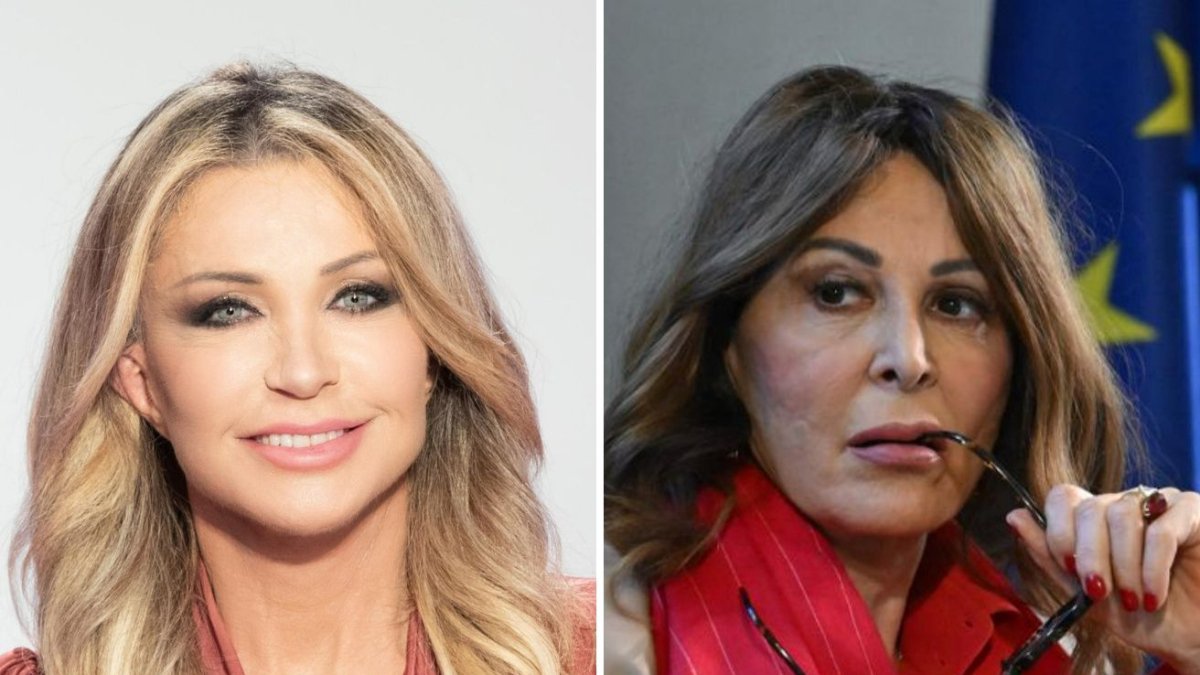
To understand the tension, just look at what happened on air. In an interview that has been the talk of every political talk show, Paola Ferrari used strong words—the kind that stick. She spoke of a power structure that brooks no criticism, an environment where those who make mistakes pay, but those who command never do. The reference, more or less thinly veiled, was to how the Santanchè affair was handled. Giorgia's problem isn't so much the interview itself, but the fact that those words found fertile ground in a Parliament already running hot.
Names, scenarios, and the weight of summer
Meanwhile, the list of Santanchè's creditors—a tally running to 25 million euros, if you include the latest corridor gossip—has become the main topic at Roman dinner parties. It's not just about money; it's about image. And for a government banking everything on post-pandemic recovery and tourism revival, image is everything. Unsurprisingly, while politics is at each other's throats, many are watching the coming months with keen interest. Summer is approaching, and the tourism sector can't afford a weeks-long interim minister, especially with Italian destinations already seeing a surge in international arrivals.
- The interim dilemma: If Giorgia Meloni keeps the Tourism portfolio, she risks overloading herself at a critical moment for international headlines and the G7.
- Pressure from coalition partners: Forza Italia and the League don't want to appear as mere spectators in this game. Each is pushing for a candidate with significant heft.
- The Santanchè precedent: The handling of her resignation has exposed an internal fracture that seemed unthinkable just a month ago.
- The numbers on the table: Beyond the former minister's debts, there are also polling numbers showing a slight but steady dissatisfaction among the centre-right electorate.
The situation is so fluid that even the names being considered change by the hour. Beyond the usual suspects from the majority, there are whispers of a technocrat who could unite everyone. Then there's another detail, easily missed but crucial for those of us who follow Roman politics: the human factor. Giorgia, in this moment, is showing a resilience reminiscent of the best moments in her career, but she knows well that public support is like sand: if you don't hold it tight, it slips through your fingers.
And while the spotlight is firmly on her, we forget that Giorgia is also a name that echoes elsewhere. Who knows if our Prime Minister, during this weekend of reflection, had time for a lighter distraction. Maybe a TV series featuring Giorgia Whigham, the American actress making waves on streaming platforms, or a football match where Giorgian De Arrascaeta shines—though right now, we'd prefer his goals on the field rather than in politics. Or perhaps a tabloid snippet about Giorgia Andriani, always a gossip favorite, or some social media photos of model Giorgia Fiorio. Small distractions from the weight of mending a rift that could shape the remainder of this legislature.
The truth is, we're facing a decisive test. Those who expected the Prime Minister—with her dual conservative and pragmatic nature—to buckle under the weight of the controversy will probably have to think again. But this game is only just beginning. The only certainty, in this scorching Roman spring, is that this government's future hinges on the choices Giorgia Meloni makes in the next 72 hours. And from her next move, we'll understand whether the summer ahead will be a blaze or merely a lukewarm truce.