Albert II of Monaco, Pope Leo XIV, and the Quiet Grandeur of a Rock Like No Other
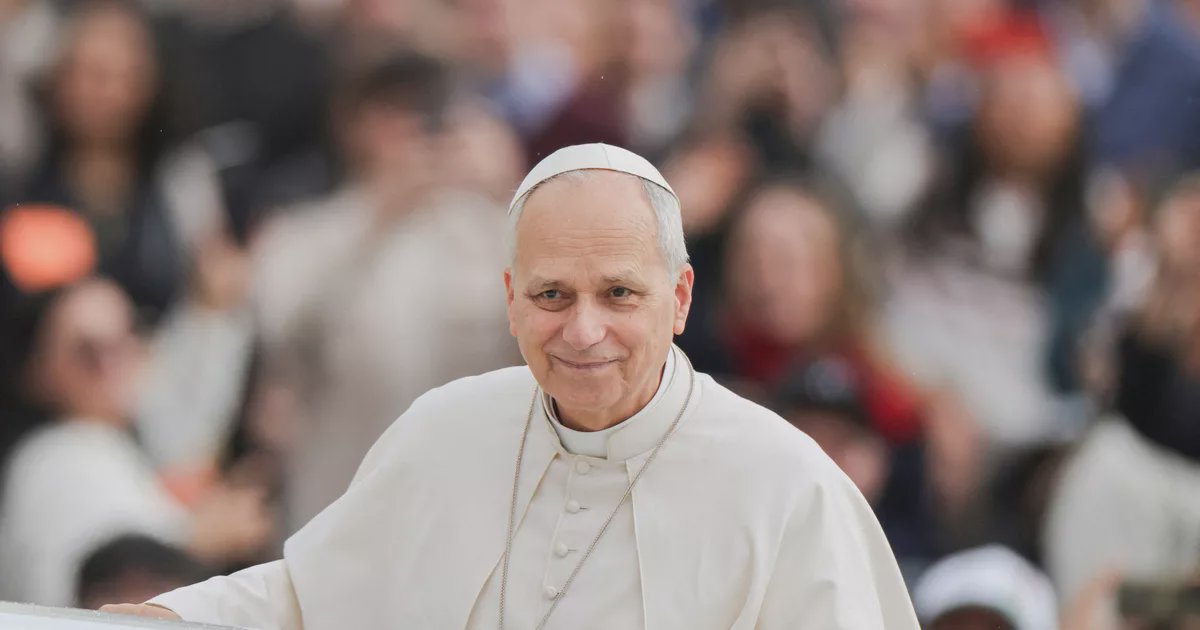
Did you see those images? The Holy Father, Pope Leo XIV, walking down Avenue de la Costa under the blazing sun, with the Rock as the backdrop. It looked like a postcard, except the postcard came to life, it spoke, it prayed. And at the heart of this extraordinary event stood him. Not just the head of state, not just the owner of the place. But a man we don't talk about enough, having been long summed up by his athlete's smile or his family history. I'm talking about Prince Albert II of Monaco, of course.
A sovereign facing history (and the sea)
It's not every day a Pope sets foot on the Rock. The last time was John Paul II, over twenty years ago. This visit by Pope Leo XIV, everyone agrees, is historic. But what struck me, having been here for ages, is how the Prince handled this Monegasque paradox: a tiny territory, one of the wealthiest in the world, and a spiritual significance that far exceeds its borders. There was a sense of pride in the air, a pride that was anything but flashy. I heard more than one Monegasque whisper "this is wonderful," and you could understand why.
Throughout this, Albert II was at the helm. Not in a way that he was playing the hands-on firefighter, no. He's more the type who sets the stage and lets the magic happen. It must be said, the Prince today has a gravitas that isn't always recognised. Early in his reign, he was too often seen as the son of Rainier, the Prince who runs marathons or goes bobsledding. There was a media image of lightness, often linked to his bachelor days or his romantic history. But the man has changed. His marriage to Charlene Wittstock in 2011 already marked a turning point: a ceremony where princely discipline mixed with palpable emotion. Since then, he has transformed into a head of state with a discretion that is almost monastic, which is ironic at the very moment the Rock was hosting the successor to Saint Peter.
The other face of the Prince: between heritage and commitment
What's fascinating about Albert II is that he embodies a dual tension. On one side, you have the Prince of Monaco, the one in the three-piece suit, shaking hands in the palace salons, ensuring the continuity of a seven-century-old dynasty. On the other, you have the adventurer, the explorer, the environmentalist from day one. His Prince Albert II of Monaco Foundation, established in 2006, has become a global benchmark for environmental protection. And when you see him discussing with Leo XIV, you sense a resonance: the Pope has just dedicated an encyclical to safeguarding creation, the Prince is working on the ground, with funds, concrete projects, expeditions to the North Pole. The Rock, therefore, isn't just the glitzy image of yachts or the Grace Kelly myth. It's also this discreet laboratory where forward-thinking public policies are being shaped.
I recall a conversation a few years ago with someone close to the palace. He told me the Prince was "the most misunderstood of European heads of state." We look at him, we judge him, but we don't really see him. However, what was unfolding this week with the papal visit was precisely a spotlight on this depth. Leo XIV didn't come to Monaco by chance. He came to a land of paradoxes, as those around the palace highlighted: a territory of immense wealth, but also a place where charity is done quietly, where faith is a social glue not flaunted in magazines. And the Prince, in all this, is the guarantor of this fragile balance.
What the Pope's visit reveals
There are a few powerful moments I want to recount, as they speak volumes about Albert II's personality:
- The welcome at the palace: No excessive pomp, a restraint in the staging. The Prince received Leo XIV with a deference that wasn't cold protocol, but human respect. You felt a real conversation, not just an exchange of pleasantries.
- The open-air mass: Albert II and Charlene stood in the front row, motionless, as the crowd, which had come from all over the French Riviera, chanted hymns. That moment was like a snapshot of a couple who have found their grounding, a far cry from the rumours of their early years.
- The calculated media silence: Unlike other official visits, the palace let the images speak for themselves. No grand pronouncements, no show. Albert II knows that sometimes, the most effective power is the one that steps back to let the event take centre stage.
One can criticise Monaco, and indeed many do. Its fiscal status, its relationship with transparency – all of this is debated. But what this visit reminded me is that Prince Albert II has succeeded where many others would have failed: he has brought Monaco into the 21st century without renouncing its soul. He has transformed the image of a "rich person's Club Med" into a state that has a say on issues as global as climate change or interfaith dialogue.
A legacy in motion
So, of course, the question of succession inevitably comes up, it's the lot of all reigning families. The twins, Jacques and Gabriella, are growing up away from the limelight, under the watchful eye of their parents. But make no mistake: the reign of Albert II is far from its final chapters. With this papal visit, he has scored a rare diplomatic point. He has shown that behind the Prince of podiums and rallies, there is a statesman who deftly wields the only weapon geography has left him: the art of relationships.
And for us here in France, who often look at Monaco with a mix of fascination and condescension, this weekend had the merit of reminding us of one thing: the Rock is something of a microcosm of Europe's most complex elements. A thousand-year history, staggering wealth, and, paradoxically, a Prince who works in the shadows, quietly, to keep it all standing. Albert II, this misunderstood prince, has given us, quite subtly, a fine lesson in sovereignty.