Albert II of Monaco, Pope Leo XIV, and the Quiet Influence of a Rock Like No Other
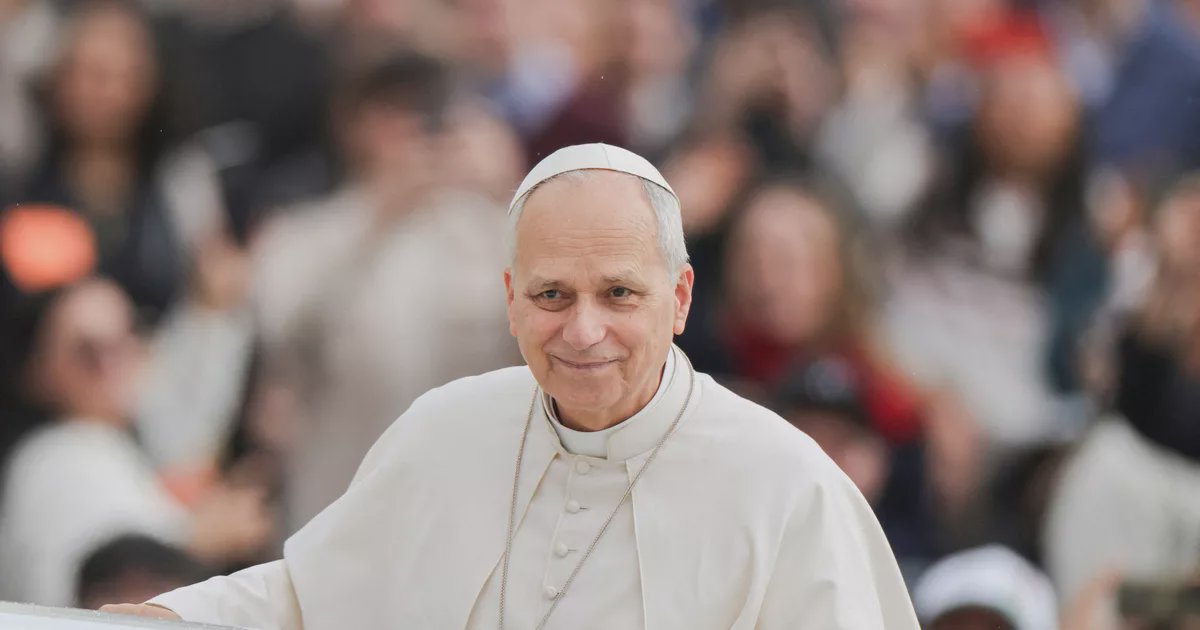
Did you see those images? The Supreme Pontiff, Leo XIV, making his way down Avenue de la Costa under the brilliant sun, with the Rock as a backdrop. It looked like a postcard, except the postcard came to life—it spoke, it prayed. And at the centre of this extraordinary event was him. Not just the head of state, not just the host. But a man we rarely talk about, because for so long he was reduced to a sportsman's smile or his family's story. I’m talking about Albert II of Monaco, of course.
A Sovereign Facing History (and the Sea)
A pope doesn't drop his bags on the Rock every day. The last time was John Paul II, over twenty years ago. Everyone agrees that this visit from Pope Leo XIV is historic. But what struck me, having been around for ages, is how the prince handled this Monégasque paradox: a tiny territory, one of the richest in the world, yet with a spiritual significance that extends far beyond its borders. There was a palpable sense of pride in the air, a pride that was anything but flashy. I heard more than one Monégasque resident whisper, "This is incredible," and you could understand why.
Throughout it all, Albert II was at the helm. Not in a showy, hands-on way, no. He's the kind of person who sets the stage and lets the magic unfold. It's worth noting that the prince today has a depth that isn't always acknowledged. Early in his reign, we often saw him as the son of Rainier, the prince who runs marathons or goes bobsledding. There was a certain media-driven lightness to his image, often tied to his bachelor status or his past relationships. But the man has changed. His marriage to Charlene Wittstock in 2011 already marked a turning point: a ceremony where princely formality blended with palpable emotion. Since then, he's transformed into a head of state with an almost monastic discretion—a fitting irony at a time when the Rock was hosting the successor to Saint Peter.
The Prince's Other Side: Between Heritage and Commitment
What's fascinating about Albert II is the duality he embodies. On one hand, he's the Prince of Monaco, the one in the three-piece suit, shaking hands in the palace salons, ensuring the continuity of a seven-century-old dynasty. On the other, he's the adventurer, the explorer, an early environmentalist. His Prince Albert II of Monaco Foundation, created in 2006, has become a global reference for environmental protection. And when you see him discussing matters with Leo XIV, there's a clear resonance: the pope has just issued an encyclical on protecting creation, while the prince acts on the ground with funding, concrete projects, and expeditions to the North Pole. So the Rock isn't just about flashy yachts or the Grace Kelly myth. It's also this discreet laboratory where forward-thinking public policies are developed.
I recall a conversation a few years ago with someone close to the palace. They said the prince was "the most underestimated head of state in Europe." We look at him, we judge him, but we don't truly understand him. Yet, what this papal visit highlighted was precisely that depth. Leo XIV didn't come to Monaco by chance. He came to a land of paradoxes, as was noted within palace circles: a territory of extreme wealth, but also a place where charity is carried out quietly, where faith serves as a social glue that doesn't make headlines. And the prince, in all of this, is the guarantor of that delicate balance.
What the Papal Visit Reveals
There were a few powerful moments I want to share, as they speak volumes about Albert II's character:
- The welcome at the palace: No excessive pomp, a restrained approach to the ceremony. The prince received Leo XIV with a deference that wasn't cold protocol, but genuine human respect. You could sense a real conversation, not just an exchange of pleasantries.
- The open-air mass: Albert II and Charlene stood in the front row, motionless, as the crowd from all along the Côte d'Azur sang hymns. This moment captured the image of a couple who have found their footing, far removed from the rumours of their early years.
- A calculated media silence: Unlike other official visits, the palace let the images speak for themselves. No grand declarations, no spectacle. Albert II knows that sometimes the most effective power is the one that steps back to let the event take centre stage.
You can criticise Monaco, it's fair game. Its tax status, its approach to transparency—these are all debated. But what this visit reminded me of is that Prince Albert II has succeeded where many others might have failed: he has brought Monaco into the 21st century without betraying its soul. He has transformed its image from a "rich person's playground" into a state that has a seat at the table on global issues like climate change and interfaith dialogue.
A Legacy in the Making
Of course, the question of succession inevitably comes up—it's the lot of all reigning families. The twins, Jacques and Gabriella, are growing up away from the spotlight, under their parents' watchful eye. But make no mistake: Albert II's reign is far from its final chapter. With this papal visit, he has scored a rare diplomatic achievement. He has shown that behind the prince on podiums and at rallies, there is a statesman who deftly wields the only weapon geography has left him: the art of relationship-building.
And for us here in France, who often look at Monaco with a mix of fascination and condescension, this past weekend served as a reminder: the Rock is something of a distillation of Europe's complexities. A thousand-year history, staggering wealth, and, paradoxically, a prince who works in the shadows, quietly, to keep it all together. Albert II, this underestimated prince, has offered us, without fanfare, a masterclass in sovereignty.