Force Majeure and the Iran Conflict: What Irish Businesses Need to Know
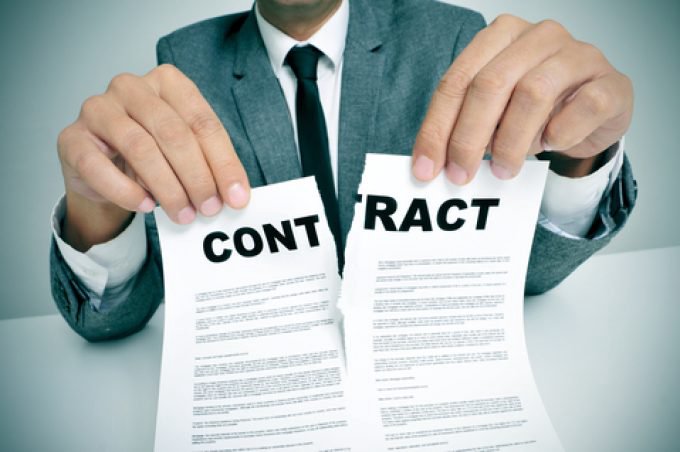
The phrase force majeure has been popping up in boardrooms and on legal pads with alarming frequency this month. With the latest escalation in the Iran-Israel conflict and the renewed threat to shipping lanes in the Strait of Hormuz, carriers and cargo owners are scrambling to invoke the contractual escape hatch that lets them off the hook when the world goes sideways. For Irish businesses—whether you're importing electronics from Asia or exporting pharmaceuticals to the US—understanding how this clause works (and how it can be misused) could mean the difference between riding out the storm and watching your margins take a nosedive.
When the World Interrupts Your Supply Chain
At its core, force majeure is the legal equivalent of a shrug—it’s the “act of God” provision that excuses a party from fulfilling a contract when an extraordinary event beyond their control derails the plan. War, terrorism, natural disasters, and yes, sudden sanctions, all fall under this umbrella. But here’s the catch: just because a ship is delayed in the Red Sea doesn’t automatically mean your supplier can declare Force Majeure and walk away. The event has to genuinely make performance impossible, not just more expensive or inconvenient.
This week, several major container lines issued notices declaring force majeure on routes through the Gulf, citing the heightened risk of attacks and the resulting insurance headaches. And honestly, given the footage coming out of the region, it’s hard to argue with them. But as the situation evolves, some in the shipping industry are already pointing out the potential for misuse—there’s a history of carriers crying “war” when the real problem is simply a shortage of vessels or a commercial decision to reroute for profit. It’s a grey area that leaves importers stuck with delayed goods and no clear legal footing.
The Sanctions Angle That Complicates Everything
There’s another layer to this that doesn’t get enough airtime: sanctions. When regional conflicts flare up, governments pile on new restrictions faster than you can say “compliance department.” A cargo that was perfectly legal last week might suddenly fall under secondary sanctions if it touches the wrong port or involves a blacklisted entity. This is where the legal definition of force majeure gets murky. Is a new sanctions regime an unforeseeable event? Often, yes. But courts will ask whether you could have mitigated the risk by, say, avoiding that region in the first place.
For Irish companies, this is particularly tricky because we’re often navigating between EU sanctions regimes and our own significant trade links. A Dublin-based trader dealing with a Middle Eastern counterparty might find their contract nullified not by a bomb, but by a compliance letter from their bank. And if they try to invoke an Act of God to get out of the deal, they’d better hope the small print explicitly covers “government orders” and “regulatory changes.”
Three Red Flags to Watch Right Now
If you’re staring at a contract that’s suddenly looking shaky, here are the things you need to check before you sign any force majeure notice—or accept one from a supplier:
- Is it really impossible, or just difficult? Your counterparty might claim force majeure because shipping costs tripled. That’s not impossibility; that’s tough luck. Look for the exact wording: does the clause require the event to “prevent” or “hinder” performance? Prevention is a much higher bar.
- Did the event predate the contract? If tensions were already simmering when you signed the deal back in January, a court might say you assumed the risk. Force majeure is for the unforeseeable, not the inevitable.
- What’s the notice requirement? Most clauses require immediate written notice. If your supplier waits two weeks to tell you they can’t ship, they may have waived their right to claim.
A Return to Calm Isn't Coming Soon
Look, we all want a return to the good old days—that blissful state where trade flows freely and the only surprises are favourable exchange rates. But the reality is, geopolitical shocks are becoming the new normal. From the Red Sea to the South China Sea, every major shipping lane now carries a risk premium. The smartest play for Irish businesses isn’t to hope for calm, but to build contracts that acknowledge the chaos. That means clear force majeure definitions, mandatory insurance clauses, and alternative routing options written right into the agreement.
In the end, force majeure isn’t just a legal technicality; it’s a stress test of your supply chain’s resilience. The companies that come out on top will be the ones that treated the fine print as seriously as the bottom line. And for everyone else? Well, things might just keep heading south until the next crisis hits.