Michel Sardou: His New Album, Candid Thoughts on Anne-Marie, and Secret Projects
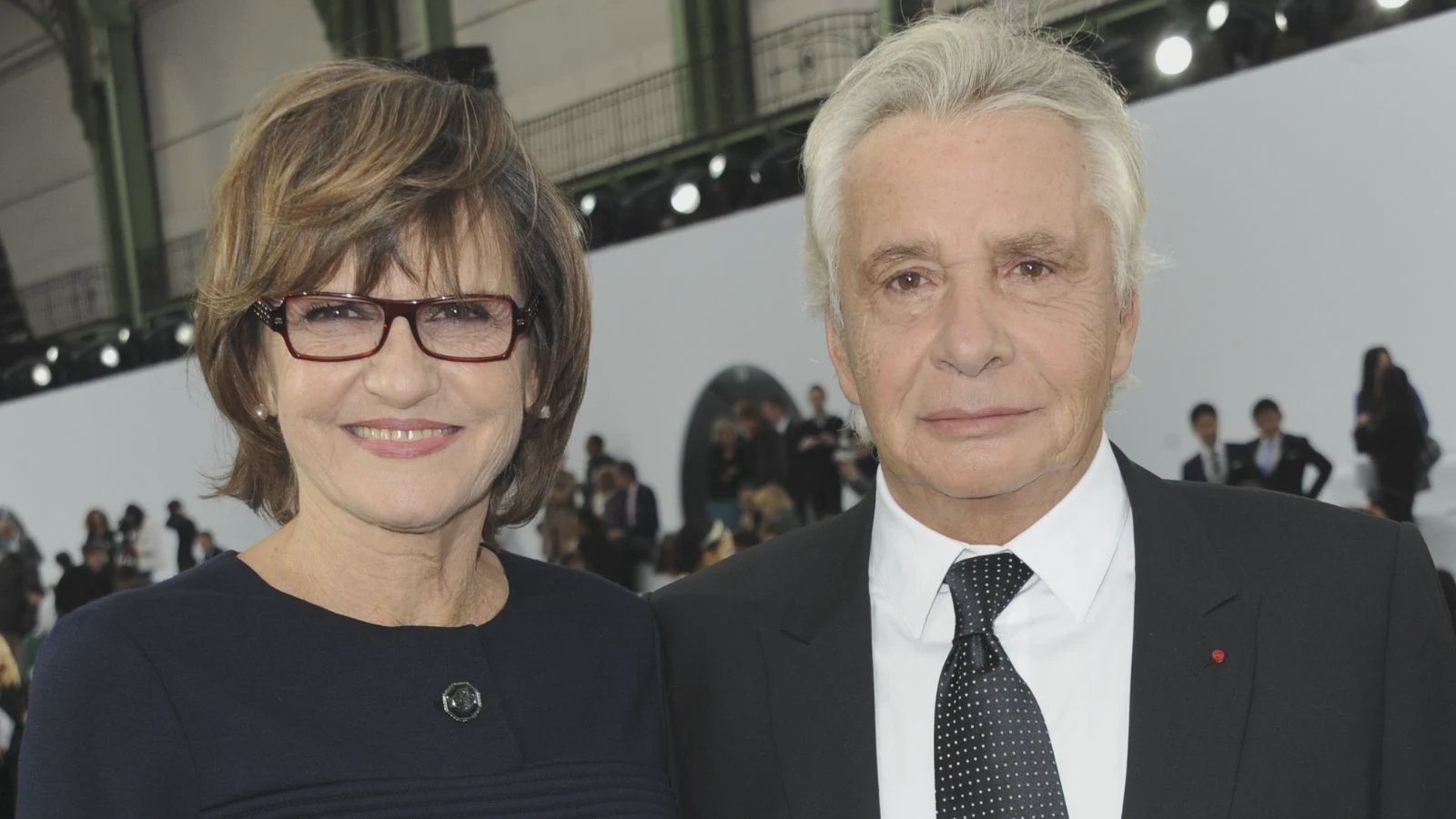
There are certain voices that glide through the decades without ever ageing, and Michel Sardou's is one of them. Just when we thought he had settled into a peaceful retirement, far from the spotlight and packed venues, he finds his way back to the media forefront with an energy that's surprising more than a few admirers. In recent weeks, the artist has shared some rare insights – the kind you relish dissecting, like catching up with an old friend at a pub bar.
A Love Story That Defied Convention
What strikes you first is the newfound gentleness that colours his interviews. We've known Sardou as the provocateur, the gruff, outspoken figure who poured theatrical fury into songs like "La Vieille" or "Danton". Today, he talks about his wife, Anne-Marie Périé, with disarmingly frank honesty. He doesn't tiptoe around the subject but speaks with raw authenticity: he describes how everything fell into place at a time when both their lives already seemed set. "I was still married, and so was she," he says privately, a reminder that great passions rarely surface in calm waters, but often in the midst of complexity.
What he portrays isn't some Hollywood-style thunderbolt, but a quiet inevitability. For those who follow the Michel Sardou discography, it echoes his enduring fascination with stories where destiny steps in unannounced. It brings "Il était là" to mind, of course – that song in which a man looks back and measures the weight of absences and presences. Today, he himself is there, in a serenity he seems to have earned at some cost.
An Alpine Sanctuary
He doesn't hide this new life behind impenetrable walls. It's nestled in a mountain home, perched in one of France's most exclusive ski resorts. This isn't an escape, he suggests, but a return to the essentials. Up there, the air is cleaner, prying eyes are fewer, and you sense the mountain silence gives him space to sort through his memories. You can picture him, far from the cameras, maybe revisiting his old records, smiling at thoughts of his early days, the career that took him from TV studios to packed arena shows.
This residence has become a symbol of this stage of his life: quiet luxury, protected privacy. No flashy ostentation, just a retreat where he can simply be Michel, not the towering figure of French song.
The Mystery of the Next Project
But don't think this man of the mountains has packed away his pencils for good. While the heart of this story often focuses on his newfound peace, the artist has never truly stopped working. Whispers behind the scenes, punctuated by hints dropped here and there, suggest he's still cooking up something. Whether it's an album, a memoir, or a surprise stage appearance just for the love of it remains unclear. What is certain is that for a man who left such a mark on French music, the urge to tell stories never really fades.
And speaking of his body of work, it's hard not to pause on what it represents in the French cultural landscape. Here, in a nutshell, is what makes Sardou a singular figure:
- A gift for storytelling: His songs are short stories, three-minute novels. Whether it's the humble folk of "La Vieille" or the tragic tale of "Danton", he doesn't sing vague emotions; he brings destinies to life.
- A knack for provocation: He spent his career challenging expectations, embracing what the self-righteous disapproved of. That defiance has now, in a way, become his hallmark.
- Remarkable longevity: His discography stands as a monument. From his early hits to more intimate pieces like "Il était là", every era has resonated with audiences.
So, yes, Michel Sardou finds himself in a rare phase. The one where you stop trying to prove anything, where you can simply take in the view, hand in hand with the one you love, content in the knowledge that the greatest stories ultimately have happy endings when you've had the patience to live them. For us, the audience, there's immense pleasure in seeing him so at peace – and also in knowing that with a man of his stature, the final page is never truly turned.