Hubert Védrine, Iran, and the Lesson in Realism That Challenges Macron's Inner Circle
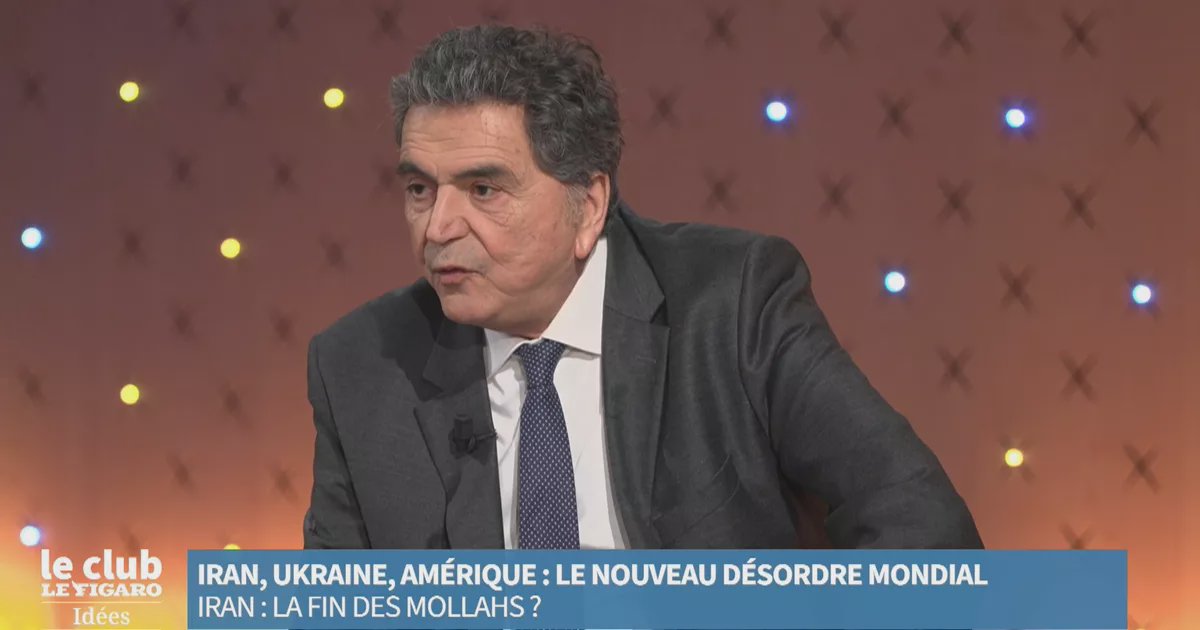
There are voices that, amidst the tumult of current events, stand out for their clarity. While 24-hour news channels are buzzing about strikes on Iran and the Élysée's communications team is searching for the right words, one analysis rises above the froth: that of Hubert Védrine. The former Foreign Minister under François Mitterrand and Lionel Jospin is not one to give in to emotion. And that's precisely why his perspective on the "decapitation" of the Iranian regime, to borrow a term making headlines, deserves a closer look. Not for the simple commentary, but for the method behind it.
The Magnifying Glass Effect and the Blind Spot of Realpolitik
Since the beginning of the week, official reactions have been pouring in. We heard Emmanuel Macron calling for de-escalation, a posture recently compared, not without irony, by former minister Pierre Lellouche to papal appeals. A remark that rightly raises the question: what weight does morality carry when missiles are falling? This is where the pragmatism of Hubert Védrine becomes a powerful antidote. He who has always theorized the need for a self-assured "realpolitik" for France reminds us, in essence, that the symbolic decapitation of a state apparatus is never its end. It's an optical illusion.
What Hubert Védrine invites us to see is the iceberg below the surface. In Iran, the regime is not just a handful of generals or a supreme leader. It is a system, a political theology, a sprawling security network. Believing that a strike, however surgical, will "finish the job" stems from the same magical thinking that presided over the interventions in Iraq or Libya. I have often repeated it myself on talk shows: a state can lose its head without losing its soul. And it is this soul, this deep resilience of a Shia regime in crisis, that Hubert Védrine's analysis forces us to consider.
Three Pillars of the Védrine Vision in the Face of Chaos
To understand why the former minister's position is so essential, we must unpack its logic. It rests on fundamentals that every decision-maker, from Bercy to Davos, should be pondering right now:
- Strategic Humility: The West, and France in particular, must accept that it does not have the leverage to provoke "regime change" by force. It's a costly illusion. Hubert Védrine reminds us that our power is primarily normative and economic, not military, in the Middle East.
- Dialogue Among Pragmatists: It's not about liking the Iranian regime, but about talking to those who run the country, even after a decapitation. Diplomacy is the art of talking to your enemies. Ruling out this possibility leaves the field open to predatory powers like Russia or China.
- The Economic Angle: Prolonged chaos in Tehran means surging oil prices, shaky sovereign debt, and broken supply chains. Major French companies, from luxury goods to energy, are watching these shocks closely. Hubert Védrine has this global vision: geopolitics and economics are two sides of the same coin.
The Void Left by Macron's Circle and the Opportunity for a French Realism
What is striking in the current crisis is the contrast. On one side, a presidential communications team searching for the "right formula," hesitating between Atlanticist firmness and French diplomatic tradition. On the other, the crystal-clear clarity of a man like Hubert Védrine. This isn't about political fiction, but about acknowledging a void. The "decapitation" so widely discussed on television creates an immediate security vacuum. Who will fill it? Militias? Neighbours? Regional powers?
For the businesses and investors reading this, Hubert Védrine's message is a wake-up call. Don't be lulled by the media's "swift victory" storytelling. Reality is far more complex. It requires anticipating the next three moves on the chessboard, not celebrating the first pawn taken. That is where the added value of an analysis stripped of political posturing lies. That is where the opportunity exists, for those who can see beyond the immediate horizon, to understand the new rules of a global game where the words of a Hubert Védrine carry more weight than many official press releases. Clarity, in these foggy times, is the only compass that matters.