Orban vs. Zelenskyy: Is the War Now Spilling Over Into a Hungary-Ukraine Showdown?
We all know how neighborly spats go: first, harsh words are exchanged, then doors are slammed. Except this time, it's about 90 billion euros, a major oil pipeline, and just how far an EU member state will go to get its way. The conflict between Hungary and Ukraine has exploded into a new dimension over the last 48 hours – and here in Austria, we're caught right in the middle, financially at least.
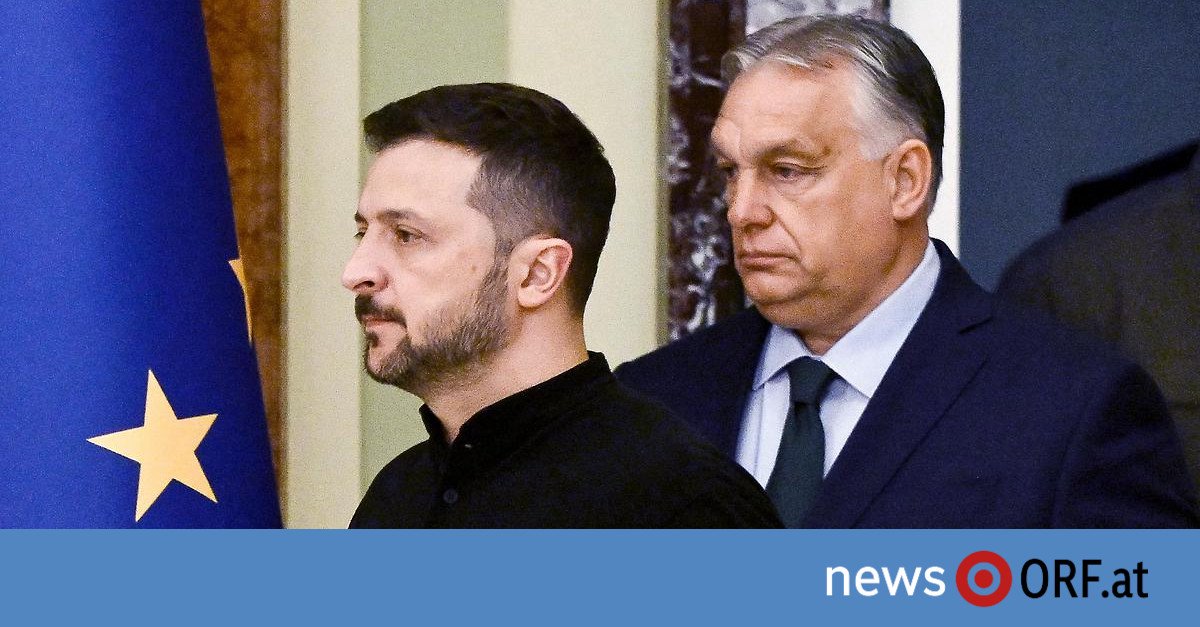
From "Speaking Their Language" to Detained Bankers
Let's start from the beginning, even though events are spiraling fast. At the heart of it all is the Druzhba pipeline. It carries Russian oil to Hungary and Slovakia. But since late January, the flow has been halted because a pumping station in western Ukraine was severely damaged in a Russian drone attack. Sources close to the Ukrainian government have suggested repairs could take until at least mid-April due to the constant threat of new strikes. Budapest, unsurprisingly, isn't buying it and is accusing Kyiv of a politically motivated "oil blockade" off the record.
Feeling the oil pinch, Hungarian Prime Minister Viktor Orban hit back by blocking a massive EU aid package for Ukraine. We're talking about 90 billion euros – funds Kyiv desperately needs for its defense. That move made Ukrainian President Volodymyr Zelenskyy blow his top. During a government meeting in Kyiv, he issued a thinly veiled threat aimed directly at Orban, clear for everyone to understand: If the Hungarian keeps blocking, his "guys" would make a certain phone call and speak to him in his own language. In Eastern Europe, that kind of talk is understood as a distinctly martial warning.
Budapest called this "completely unacceptable." And then, things escalated to a whole new level. That very night, Hungarian police stopped two armored trucks belonging to Ukraine's state-owned Oschadbank in Budapest. Seven employees were detained, and their cargo was seized: $40 million, €35 million, and nine kilograms of gold. Budapest's charge? Money laundering. In Kyiv, they're calling it "state terrorism" and "hostage-taking."
The Raiffeisen Connection
And this is where Austria gets pulled into the fray. Well-informed sources in Kyiv say the valuables were being transported completely legitimately as part of an arrangement with Raiffeisen Bank International. It's a detail worth highlighting because it shows just how much this conflict impacts our country. It's not just about distant geopolitical games anymore; it's about real financial flows passing through Vienna. For many in Hungary and Ukraine, this is proof that the West – and that includes us – has long since picked a side.
To keep things straight, here’s a quick recap of the recent escalation:
- Late January: Russian drone damages Druzhba pipeline pumping station in western Ukraine. Oil flow to Hungary stops.
- Mid-February: Hungary retaliates by blocking a €90 billion EU military aid package for Ukraine.
- Early March: Orban threatens to break the "oil blockade," if necessary, "by force."
- March 5: Zelenskyy counters with the "phone call" threat against the "guy" blocking EU aid.
- Night of March 6: Hungary detains Ukrainian bankers and seizes a cash convoy coming from Austria.
Campaigning with Knives Out
Here's the crucial context: Hungary heads to the polls on April 12. And Viktor Orban is under serious pressure. The opposition, led by his challenger Peter Magyar, is leading in the polls. Orban needs a boogeyman to rally his base. It used to be George Soros; now it's Zelenskyy and "Brussels." The Ukrainian president handing him such a perfect line of attack is a gift from heaven for the Fidesz campaign. Billboards depicting Zelenskyy as a warmonger are popping up all over Hungary.
But Ukraine is playing its own tactical game here. By seemingly delaying the pipeline repairs until after the Hungarian election, they're betting on a change in government in Budapest. It's a high-risk gamble, considering they need the money from that EU loan now, not in May.
A Dangerous Precedent
For us in Austria and the EU, this escalation is a disaster. We're watching a member state use its veto and go it alone, essentially holding the entire Union hostage. Hungary isn't just blocking funds for Ukraine; it also recently held up the 20th sanctions package against Russia. And Moscow is loving every minute of it. The Kremlin is cozying up to Orban, just days ago gifting him two Ukrainian prisoners of war from the Hungarian minority in Ukraine. It's a classic narrative: "Look, the strongman in Budapest is bringing 'our' people home while the West just talks."
The detention of the bankers and the confiscation of the funds is unprecedented. Never before has an EU country so openly seized the assets of another nation, one that's being battered by Russia. If this sets a new standard, the situation becomes completely unpredictable. Let's just hope there are still some level heads left in Brussels, Vienna, Budapest, and Kyiv who understand that this "war next to the war" ultimately benefits only one person: Vladimir Putin.
The situation remains tense – and dangerous. As this recap of the last 48 hours shows, things are explosive. The only way to close this guide through the political minefield is with an urgent recommendation to watch the coming days very closely. Because one thing is certain: if Hungary and Ukraine don't find a way to patch things up soon, we'll all end up losing.