Why Are We Drawn to the Showa Era Today? Exploring Its Realities Through Colour, Nature, and Rail
Even though we’re well into the Reiwa era, our streets are somehow filled with spots carrying the “Showa retro” label, captivating even the younger generation. The appeal goes beyond simple nostalgia; there’s a deeper, more nuanced charm to it. Here, we’ll explore the atmosphere of that era through four lenses: colour, nature, rail, and the figurehead of the time.
Recreating the Era’s Colour Palette
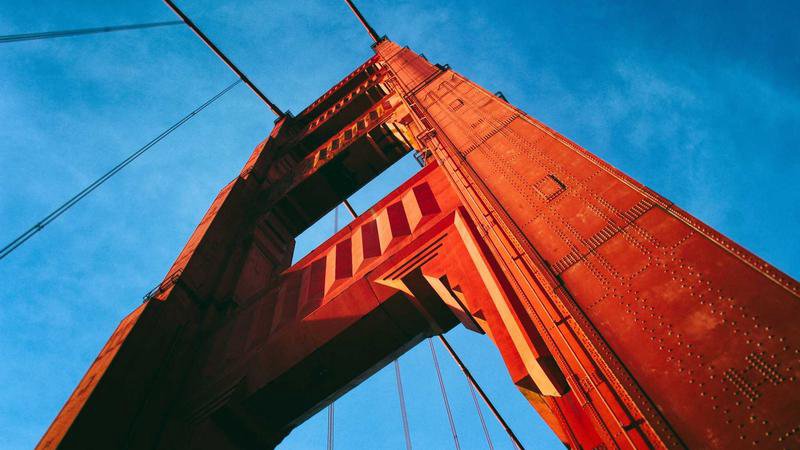
When you want to immerse yourself in the Showa world, the unique colour palette is what first catches your eye. The deep vermillion, the subdued indigo, the persimmon orange that evokes a sense of longing… These colours aren’t simply “old”; they were created with deliberate intention and a strong sense of aesthetics. Looking back at a colour notebook published back then shows us the sensibility of the people who lived in that era. The colour combinations used in commercial design and everyday items are a testament to a refined taste that could easily be applied to modern interiors or fashion. Browsing through such materials gives you a sense of how seriously people of that time engaged with colour.
Unforgettable Memories of Nature’s Force
Of course, the Showa era wasn’t all about gentle hues. What remains deeply etched in people’s memories is the ferocity of nature. Take Typhoon No. 20 of 1979. Nowadays, we have names like “Reiwa 1 Boso Peninsula Typhoon,” but back then, this particular typhoon was powerful enough to be dubbed the “Second Muroto Typhoon” as it slammed into Japan.
I was living in Osaka at the time and vividly recall Keihan trains being suspended for hours, leaving the station front crowded with people unable to get home. The force of the wind that night and the sound of rain lashing against the windows remain etched in my memory. This typhoon left such a mark that it changed the cityscape overnight, symbolising the end of the high-growth period and a major turning point in disaster awareness. For those who lived through it, Showa isn’t just a time of “nostalgia”; it’s a real memory of coexisting with such harsh natural forces.
Railways: The Landscape Connecting People and the City
So, what carries those real memories into the present? One thing is definitely the railways. If you walk along the Keihan Electric Railway lines, you’ll notice the lingering remnants of Showa. Particularly, the trams running in harmony with Kyoto’s cityscape, and the charming shopping streets around Hirakatashi Station before its redevelopment, all seem to move at a slower pace of time.
The Keihan line was never just a means of transport. The residential areas and culture that flourished along its tracks represent the ideal of urban planning from the Taisho to Showa eras. The sentiment embedded in express train names like “Biwa-ko” and “Sazanami,” or the distinct platform scents and departure melodies unique to each station—these details hold the tangible texture that people of that era valued.
The “Era” Known as Showa
Here, we must touch upon Emperor Showa as the symbol of the age. His reign of 64 years spanned the tumultuous period of modern Japan itself: war, post-war reconstruction, and rapid economic growth. As people’s lives and values underwent a literal “upheaval” between pre-war and post-war Japan, the role of the symbolic emperor was a constant subject of contemplation.
When we talk about “Showa” today, it’s not just about the name of an era. It’s also about grappling with a fundamental question: “How have the Japanese people changed, and what have they held on to?” The vibrant use of colour, the sometimes unforgiving forces of nature, and the railways that continued to support people’s daily lives—these are all pieces that help answer that question.
- The appeal of Showa retro isn’t just aesthetic: It’s underpinned by the design sensibilities found in materials from that era, as well as the history of rebuilding after typhoon devastation.
- Keihan Electric Railway is a living heritage: Along with the culture along its lines, it’s a treasure trove of living history, preserving Showa-era landscapes today.
- Timelessness beyond the era name: Reflecting on the Showa period gives us a chance to reconsider Japanese identity and how we relate to nature.
Beyond the nostalgia lies the “resilience” and “delicacy” of that time. Perhaps for those of us living in Reiwa, the hints we need to shape the future can be found just a short step away, in the not-so-distant past.