Meningococcal Meningitis Outbreak: What You Need To Know After UK Cases
It's the kind of news that makes any parent's heart skip a beat: an outbreak of meningococcal meningitis. Over the past few days, worrying reports have come out of Kent, with UK health officials moving quickly to contain a cluster of cases. While local sources now suggest the immediate flare-up has been brought under control, for us in Singapore, it's a stark reminder that this serious infection doesn't respect borders. With Singapore being such a global travel hub, it pays to be well-informed and know exactly what you're dealing with.
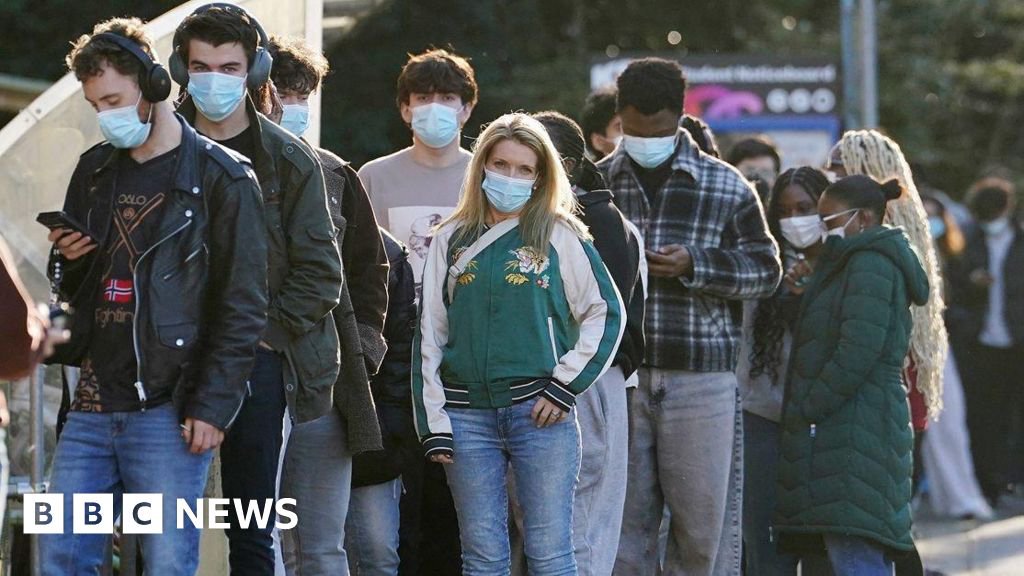
The Kent Cluster and the Singapore Link
Public health teams in the UK have been working around the clock, and the latest update is that the outbreak in Kent has been brought under control. They haven't taken any chances, rolling out antibiotics to close contacts and raising awareness locally. Our own Ministry of Health (MOH) will be monitoring the situation closely, as they always do with vaccine-preventable diseases. They've managed such situations before, and they know the drill.
Spotting the Signs: It Could Save a Life
We've all heard the term, but do you really know what to look out for? Meningitis can come on fast, and it's not always the classic rash that appears. In fact, waiting for a rash could mean it's too late. The bacterium Neisseria meningitidis causes meningococcal disease, which can lead to meningitis (inflammation of the lining of the brain) or septicaemia (blood poisoning). Here are the key symptoms to keep in mind:
- High fever, often with cold hands and feet.
- Severe headache, sometimes with a dislike of bright lights (photophobia).
- Stiff neck – it's hard to touch your chin to your chest.
- Vomiting or nausea, sometimes alongside diarrhoea.
- Confusion or drowsiness – harder to wake than usual.
- A rash that doesn't fade when you press a glass against it (the tumbler test). But remember, this can appear late, or not at all.
If you spot these in yourself or someone else, especially if they've come on rapidly, don't wait. Call your GP or go to the nearest A&E immediately. It's always better to be safe.
Vaccination: Your Best Shield
Thankfully, we're in a much better position than we were even a decade ago. The MenB vaccine is available here, and the MenACWY vaccine, which protects against four other strains, is also recommended for certain groups, including adolescents and travellers. If you've got young adults heading off to university overseas or travelling, it's worth checking their vaccinations are up to date. Those cramped student living conditions or dormitories can be a perfect environment for the bacteria to spread. MOH's advice is clear: vaccination is the most effective way to prevent this.
Old Foes, New Fights
It's sobering to think that we've been grappling with this disease for over a century. You only have to look back at old medical archives, like the Lumleian Lectures on Cerebro-Spinal Fever delivered back in 1919. They were dealing with the same enemy, but without the antibiotics or vaccines we have today. We've come a long way since then, and global protocols, like the WHO's guidelines for outbreak response, have helped shape how we handle these situations everywhere. But the bacteria itself is a cunning adversary, and every new case is a reminder to stay vigilant.
Knowledge is Power
There's a reason entire books have been written on the subject, analysing the characteristics and risk factors of bacterial meningitis. Even personal accounts from people who have lived through it drive home the human cost and the importance of quick action. But you don't need to read a library to get the message: know the symptoms, get vaccinated, and act fast.
So, keep abreast of what's happening globally, but more importantly, keep an eye on your own health and that of your family. The Kent outbreak may have settled down, but the bacteria that causes meningococcal meningitis is still out there. A little awareness goes a long way.