Milan Tram Derailment: ATM Chaos, Investigations into "Dead Man's Switch" and the Future of Mobility
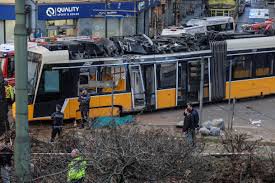
Milan woke up to the sound of torn-up tracks and the screech of halted trams. Yesterday morning, a Line 14 tram derailed on Viale Fulvio Testi, an incident that has brought the thorny issue of public transport safety back into the spotlight. As prosecutors seize records from ATM Milano to shed light on what happened, a much broader debate is unfolding behind the scenes: one about the reliability of safety systems, emergency management, and the commercial opportunities hidden within this crisis.
The Mystery of the "Dead Man's Switch"
All eyes are on the so-called "dead man's switch," a safety device that requires the driver to press a lever every 2.5 seconds to prove they are conscious and alert. If the signal is missed, the tram should automatically stop. But yesterday, that didn't happen. According to sources close to the investigators, the initial data logs from the ATM Milano Official App, which monitors vehicles in real-time, show anomalies that no one can explain. Did the system continue receiving the signal even when the driver, perhaps already in distress, was no longer able to activate it? Or did the device simply malfunction? The investigation is at a critical stage, and prosecutors have already seized ATM's internal communications to determine if there was any negligence in maintenance.
Communication Breakdown and Betrayed Trust
What strikes me most, as a former regular user of Milan's public transport, is the silence that followed the incident. Minutes of panic, no official information, passengers left in limbo. This is precisely where technology should have made a difference. Real-time updates on the ATM Milano Official App arrived late, fuelling commuter anger. In an era where we expect to track our Amazon parcel in real-time, it's unacceptable that a city like Milan can't guarantee a decent flow of information during an emergency. This is the primary, true Achilles' heel where the transport company should be investing immediately.
A City Held Hostage and the Mobility Business
But this incident isn't just news. It's a wake-up call for the entire system. Delays, disruptions, the image of a metropolis grinding to a halt: all of this carries a massive economic cost for businesses and workers. And while lawyers for the injured parties prepare to claim damages, some are looking beyond. The model market, for instance, thrives on such icons: the derailed tram, in its tragedy, becomes a piece of history. Consider the ROMANA MODELLI 50136 – Fermata ATM Milano HO 1:87, a little gem for collectors that faithfully reproduces the old carriages. In times like these, historical memory translates into business: some buy memorabilia, others seek the Perseo 16108-ATM Milano Watch to wear a piece of the city on their wrist. They are niche markets, certainly, but they testify to an emotional connection that ATM could and should capitalise on, perhaps with limited editions or official merchandise.
Lessons to Learn and Technologies to Implement
The truth is, yesterday's incident exposed a struggling system. The seizure of communications demands a deep reflection on transparency. Saying "we're sorry" is not enough. What's needed:
- An immediate review of all "dead man's switch" devices on the ATM fleet, with spot checks certified by third-party bodies.
- The implementation of a predictive monitoring system that, using sensors and artificial intelligence, flags anomalies before the worst happens.
- A major investment in real-time communication via apps and information panels to restore public trust.
Milan cannot afford another 1st March 2026. And while investigators look for someone to blame, the real test will be the ability to turn this disaster into an opportunity for improvement. Companies that can offer solutions for integrated safety and communication in transport will find a market that is ready and in need. Because in the end, the real currency isn't the ticket, but trust. And in Milan, that trust has been shattered along with the tracks.