Meningococcal Meningitis Outbreak: What You Need to Know in India After UK Cases
It's the kind of news that sends a shiver down any parent's spine: an outbreak of meningococcal meningitis. Over the past few days, worrying reports have emerged from Kent, with health officials there acting swiftly to contain a cluster of cases. While local sources now indicate the immediate flare-up has been controlled, for us here in India, it's a stark reminder that this dangerous infection doesn’t care about borders. With international travel being so common, it’s always wise to be well-informed and know exactly what to look for.
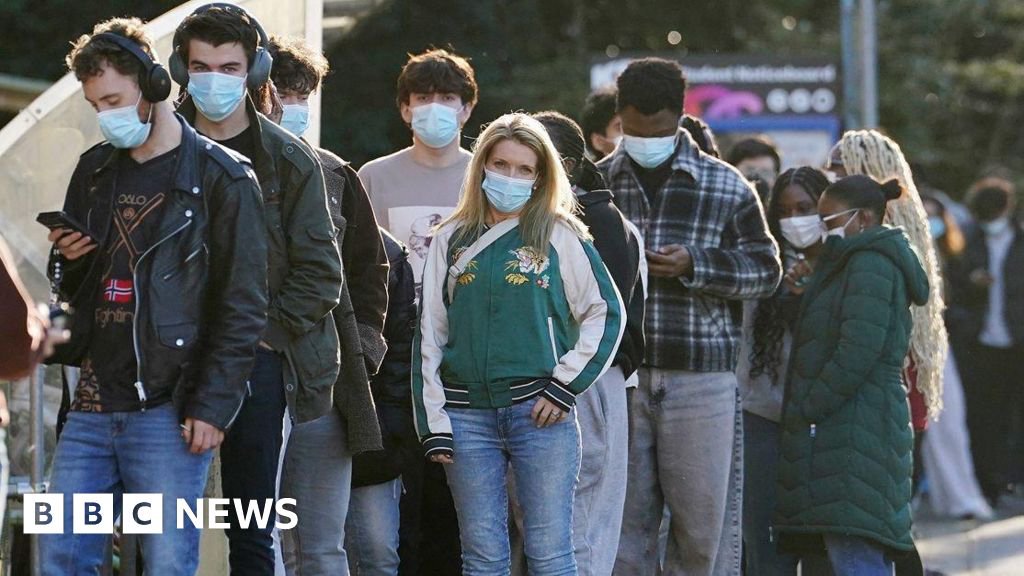
The Kent Cluster and the India Connect
Public health teams in the UK have been working tirelessly, and the latest update is that the outbreak in Kent has been brought under control. They've left no stone unturned, providing antibiotics to close contacts and ramping up local awareness. Our own health authorities, like the NCDC (National Centre for Disease Control) and ICMR, will undoubtedly be monitoring the situation closely, as they always do with vaccine-preventable diseases. They've handled such challenges before, and they know the protocol inside out.
Spotting the Signs: It Could Save a Life
We've all heard the term, but do you really know what to look for? Meningitis can strike suddenly, and it isn't always the classic rash that appears first. In fact, waiting for a rash to show up could mean waiting too long. The bacterium Neisseria meningitidis causes meningococcal disease, which can lead to meningitis (inflammation of the brain's lining) or septicaemia (blood poisoning). Here are the key symptoms to always keep in mind:
- High fever, often accompanied by cold hands and feet.
- Severe headache, sometimes with an aversion to bright lights (photophobia).
- Stiff neck – difficulty touching your chin to your chest.
- Vomiting or nausea, occasionally alongside diarrhoea.
- Confusion or drowsiness – being harder to wake than usual.
- A rash that doesn't fade when you press a glass against it (the tumbler test). But remember, this can appear late, or may not appear at all.
If you notice these signs in yourself or someone else, especially if they've developed rapidly, don't wait. Contact your doctor immediately or head to the nearest hospital emergency room. It's always better to err on the side of caution.
Vaccination: Your Best Shield
Thankfully, we are in a much stronger position than we were even a decade ago. Vaccines are the most powerful tool we have. In India, the MenACWY vaccine is available and is often recommended for travellers to high-risk areas, and for adolescents. The MenB vaccine is also available privately. If you have young adults heading off to college, hostels, or travelling abroad, it's crucial to check if their vaccinations are up to date. Crowded living conditions, like in hostels, can unfortunately be an ideal environment for the bacteria to spread. Health experts across the world agree: vaccination is the most effective way to prevent this disease.
Old Foes, New Fights
It's a sobering thought that we've been battling this illness for over a century. Medical history is filled with accounts of meningitis outbreaks. We've certainly come a long way since then, and global health protocols, such as those from the World Health Organization (WHO), have shaped how countries worldwide respond to such threats. But the bacteria itself is a cunning enemy, and every new case around the globe is a reminder for us to stay vigilant and not become complacent.
Knowledge is Power
There's a reason so much information is available on this subject. From detailed medical guides to personal stories from survivors, the message is always the same: know the symptoms, get vaccinated, and act fast. You don't need to be a medical expert to grasp the essentials: be aware of the signs, ensure your family's vaccinations are in order, and seek immediate medical help if you suspect something is wrong.
So, while it's useful to be aware of what's happening internationally, the most important thing is to focus on your own health and that of your family. The Kent outbreak may have settled down, but the bacteria that causes meningococcal meningitis is still present. A little awareness and timely action can make all the difference.