Augusto Cury announces pre-candidacy for president and releases open letter to the nation
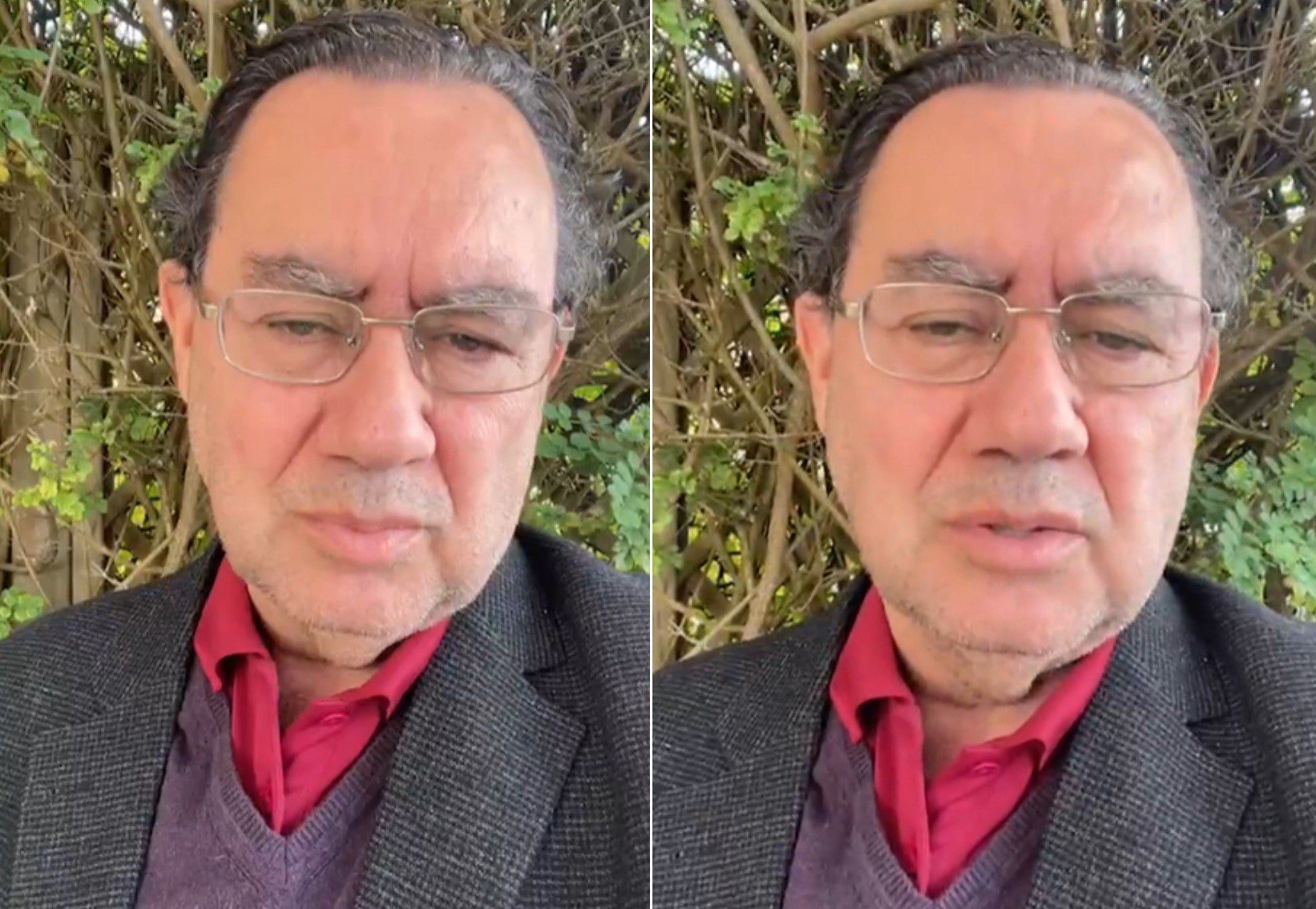
Well, folks, the Brazilian political scene just got a whole lot more interesting. On the night of Wednesday, March 4, 2026, psychiatrist and author Augusto Cury decided to step out of the therapist's chair and dive headfirst into the political arena. The man behind classics that have helped millions of Brazilians understand their own anxiety – such as "The Dream Seller" and "Anxiety: Confronting the Evil of the Century" – published an open letter on social media announcing his pre-candidacy for the presidency of the Republic. And hey, it's not every day you see a guy who teaches us to manage emotions wanting to manage the country.
Anyone who has read any of Augusto Cury's books knows he's not one for empty talk. The psychiatrist, who has over 30 published works and is considered one of the most-read authors of the decade, has always hammered home the importance of emotional intelligence and the need to rethink our roles in society. Now, he wants to take that conversation to the Planalto Palace (the seat of Brazil's executive branch). In the letter, Cury speaks out against what he calls "political theater" and criticises the polarisation that, according to him, "paralyses the country and sickens the population".
The tone of the document is pure Cury: philosophical, direct, and with a hint of provocation. He argues that politics needs to be renewed based on emotional management and existential intelligence. In other words, instead of power struggles, he wants to put emotional education at the centre of the debate. And doesn't that make sense? At a time when people's mental health is stretched to the limit, the idea of a president who understands anxiety and stress could appeal to many voters tired of the traditional back-and-forth.
One striking detail is that Augusto Cury has no party affiliation – at least for now. In the letter, he makes it clear that he's not asking for a party ticket, but rather making himself available to be approached by parties willing to have an "out-of-the-box" conversation. It's a bold move: instead of joining a worn-out party, he throws the challenge to the parties themselves. Who would want to shelter a candidate who talks about "reinventing politics" and appeals to an electorate that often shies away from conventional debates? Who knows.
The reaction on social media, of course, was a mix of surprise, memes, and sincere support. Some people recall that Brazil has already elected a president without a party (and we saw how that turned out), but there are also those excited about the possibility of a leader who, at least on paper, understands human behaviour. After all, if politics is made by people and for people, why not have a psychiatrist at the helm?
If you're keeping up with current affairs, you've probably seen that "Augusto Cury" trended after the announcement. And it's no coincidence. His name, already familiar in bookstores, is now invading political conversations. The author is betting on topics such as:
- Emotional education in schools – a long-standing cause of his, gaining traction in a country with high rates of bullying and youth depression.
- Public mental health care – proposals to expand psychological services in the public health system (SUS), something that always comes up in debates but never gets off the ground.
- Ending toxic polarisation – a discourse that appeals to both left and right, tired of extremism.
Now it's time to wait for the next chapters. Will parties seek out the psychiatrist? Will he be able to turn virtual enthusiasm into real votes? One thing is certain: with Augusto Cury in the mix, the 2026 election promises to have more reflection (and perhaps less shouting) than we're used to. Keep an eye out, because this story is bound to spark plenty of casual conversations and, who knows, maybe some real changes.