Brazil and the Iran war: How the Middle East conflict could shake up the Selic and your finances
The week kicked off with a literal bombshell in global markets. The escalation of the war in Iran, following Israeli attacks on strategic sites in Tehran, isn't just another chapter in the tense Middle Eastern saga. For those of us in Brazil, the sound of those distant explosions will reach us quickly – and, sooner than you think, hit our wallets.
Forget the idea that international conflicts are someone else's problem. Brazil and the war in Iran might seem like distant issues, but the truth is, the dust kicking up in Tehran is already starting to spook the Monetary Policy Committee (Copom) here in Brasília. The flight plan the Central Bank mapped out for 2026, which envisioned a smooth landing for interest rates, could hit turbulence at any moment.
The core of the conflict: oil and inflation
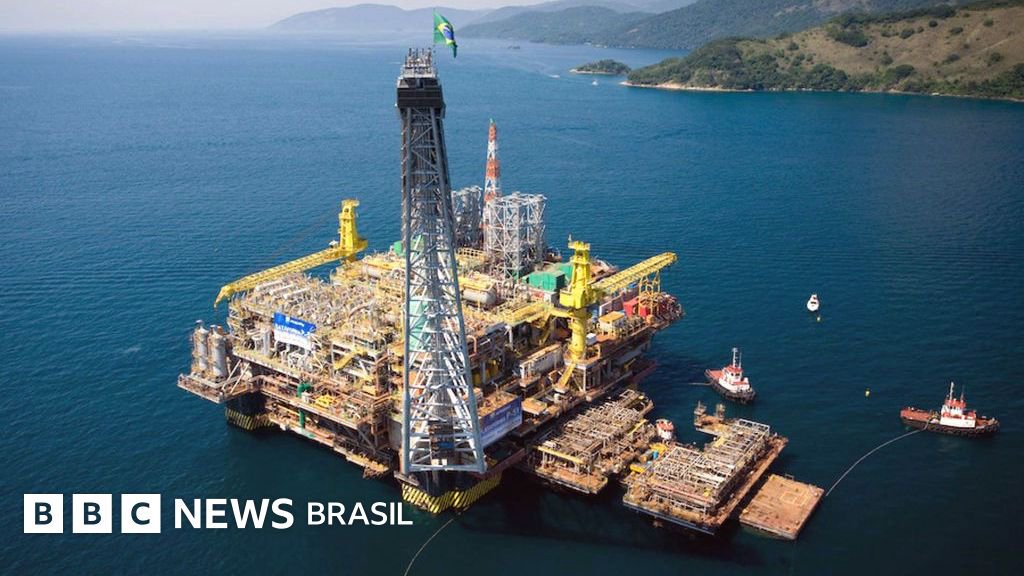
The first spark connecting Iran to Brazil is the price of oil. International markets are in panic mode. Any threat of disruption in the Strait of Hormuz – through which nearly a fifth of the world's oil passes – sends the price per barrel soaring. And Brazil, which has recently become a major oil exporter, isn't immune to this rollercoaster.
For starters, petrol prices at Petrobras refineries are influenced by the international market. If oil prices spike abroad, sooner or later, adjustments will be passed on at the pump. And when fuel prices go up, it's not just filling up your car that gets more expensive. Freight costs for supermarkets, the price of food, bus fares... everything becomes a target for inflation. The financial market crowd is already re-running the numbers: a prolonged shock could send the IPCA (official inflation index) soaring just when service inflation was starting to ease up.
The Central Bank's dilemma: cut the Selic or hold steady?
And this is where things get serious for our economy. The Central Bank had been signalling a cycle of Selic rate cuts for the second half of the year. The idea was to give credit some relief and stimulate economic activity. But the war in Iran has thrown a wrench into that script.
- Upward pressure: If inflation accelerates because of oil prices, the Central Bank is forced to hold interest rates steady, or even consider raising them again, to contain prices. It's the famous "bitter medicine" that cools down the economy.
- Soaring Dollar: International conflicts drive investors towards safe havens, like the US Dollar. With a more expensive American currency, imports become pricier and companies' foreign debt increases, creating more inflationary pressure.
- Total uncertainty: Nobody likes to invest blindly. The volatility caused by the war makes the financial market tighten credit and demand higher risk premiums. This stalls growth.
What was supposed to be a year of relief in interest rates could turn into a new nightmare of a high Selic rate for longer. Copom members, who were already divided on the pace of cuts, now have a powerful argument for the cautious camp.
A guide to understanding what lies ahead
If you're feeling lost about how to navigate this scenario, don't worry. Let's break down the key points so you can use this information to your advantage, whether for investments or family planning.
In a context of Brazil and the war in Iran, the best path is diversification. Those with money invested need to understand that inflation-linked fixed income assets (like IPCA+ bonds) could gain even more traction. Variable income, especially shares of companies linked to commodities (like oil and mining firms), tend to ride the wave of rising international prices. But beware: it's a high-risk game, only for those with a strong stomach.
For the Brazilian family, the message is clear: prepare your wallet for more pressure on food and fuel prices. Household budgeting needs to consider that electricity bills (with tariffs influenced by the cost of thermoelectric plants) could also get steeper if the government doesn't step in. And the dream of owning a home, financed with lower interest rates, might have to wait.
The verdict: we still don't know the full extent of the damage
Right now, analysts worldwide are revising their reports. What was an optimistic scenario for the Brazilian economy at the start of the year now carries a giant question mark called the Middle East. The most honest guide I can give is: keep a close watch on the Central Bank's decisions and the next moves by Israel and Iran.
One thing is certain: the war in Iran is no longer just a foreign policy issue. It's become a topic of conversation at the coffee shop, in the supermarket queue, and in Copom meetings. And as every Brazilian knows, when the Selic rate sneezes, the whole country catches a cold.