Patxi López and the awakening of the youth: The call shaking up Spanish politics
There are moments in Spanish politics when a single phrase ignites debate and sets the week's agenda. What Patxi López said this past weekend in Valladolid is no exception. The former Lehendakari and current socialist leader didn't just hold a routine rally; he sent a direct message to the conscience of the younger generation, and in doing so, stirred up a hornet's nest with a term that has been causing a stir in the United States for years: woke. The question many of us are asking is whether this is a simple campaign slogan or the starting gun for a new way of understanding mobilisation in this country.
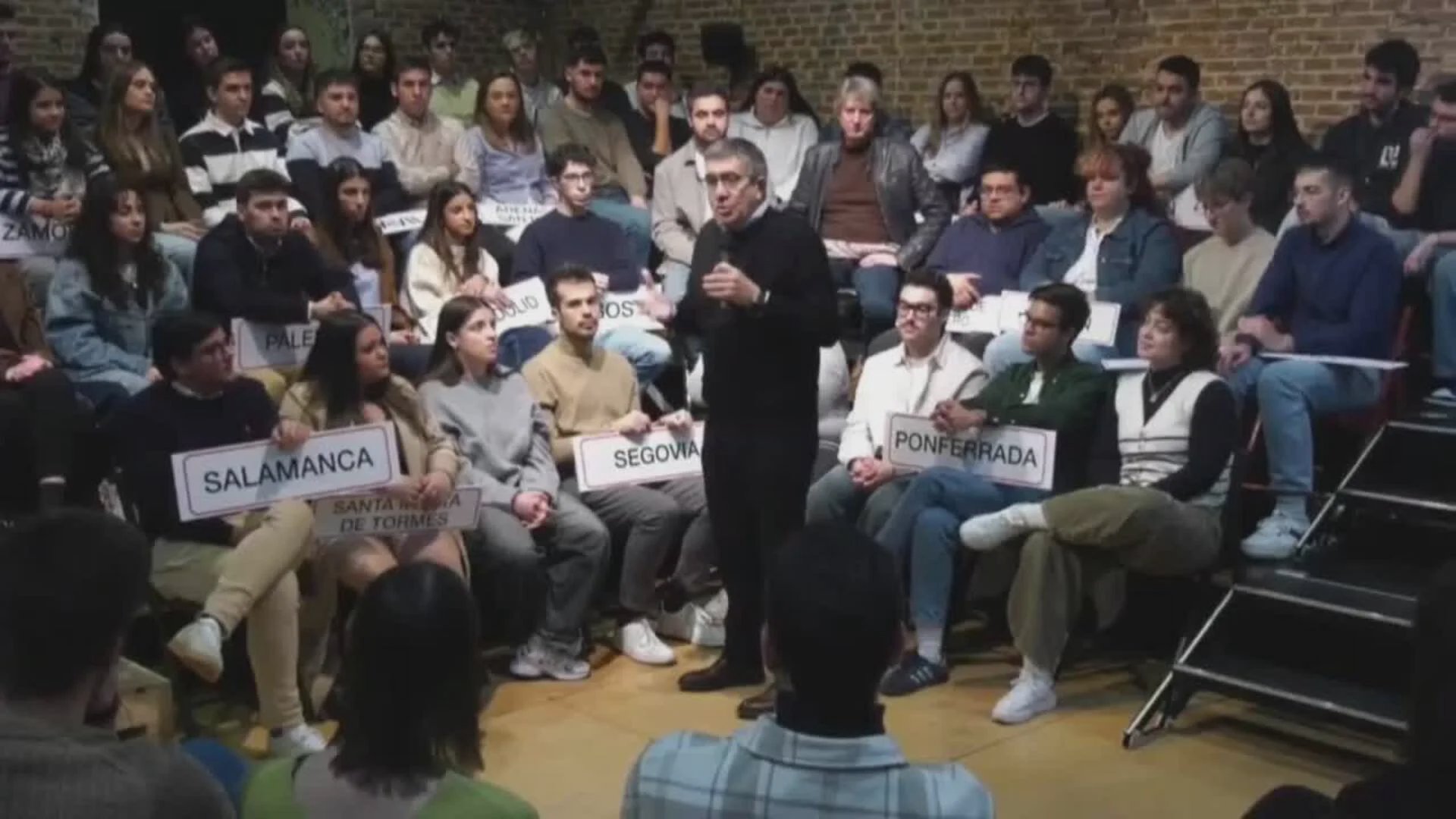
A wake-up call for the generation that won't settle
When I heard Patxi López asking young people to "show in the streets" that they won't back down, I couldn't help but recall other times of social ferment. But make no mistake, because the context is very different. This isn't a call to rebellion without a cause, but rather to conscious mobilisation against the advance of hate speech and a far-right that, as he rightly pointed out, aims to "win the game" while many look the other way. The socialist leader hit the nail on the head: democracy isn't a gift, it's a daily achievement, and if young people don't occupy that space, others will. And not precisely those who defend equality.
The interesting part of his speech isn't just the warning, but the reclaiming of a term many consider spent: woke. "We are the woke party, which means awake, and we are awake to fight for equality," he declared. A statement of intent seeking to appropriate a concept that the right has used as a political weapon. In a time of extreme polarisation, for a PSOE heavyweight like Patxi López to reclaim social vigilance is a risky but calculated move. He aims to connect with a globalised youth, who identify with struggles for the climate, social justice, and civil rights, but often feel orphaned by clear political role models.
The generational factor and the business of conscience
This is where the analysis moves beyond the purely political and delves into an area that, in my view, is fascinating: the commercial and consumer impact of this type of discourse. Patxi López isn't just trying to mobilise voters; he's sending a powerful signal to the market. Brands, media outlets, and large investment groups have spent years trying to figure out Generation Z and younger millennials. And one of the keys to that generation is their demand for consistency: they want companies and leaders who take a stand, who are "awake" to injustices.
- Risk of polarisation: Companies wanting to connect with this message will have to tread carefully. Aligning with figures like Patxi López might attract one segment of the public, but alienate another. Value-driven marketing is no longer an option, it's a necessity, but getting it wrong can be lethal.
- Opportunity for media and platforms: The youth mobilisation the former Lehendakari calls for won't just happen in town squares. It will play out on TikTok, Twitch, and digital-native media. Major advertisers know it: the young audience is there, and their attention is worth gold. Any brand wanting to sponsor content with that profile must understand the language of social "vigilance".
- The business of the 2030 Agenda: Behind the term woke that Patxi López has reclaimed, there's a whole current of sustainable investment and ESG (environmental, social, and governance) criteria. The world's most powerful investment funds no longer finance projects that don't meet those standards. What is "equality" in political discourse is, on a company's balance sheet, "reputational risk" or a "social licence to operate".
The silence that speaks and the street that watches
Beyond the media noise, what worries me as an observer is the reaction of the status quo. When a politician with the institutional weight of Patxi López tells you that young people must "cry out" because if they don't, "they will be run over," he is describing a reality that many in the ivory towers of business prefer to ignore. Social stability is the main asset for long-term investment. If young people perceive that the system offers them no future and that only radical protest gets a response, the business climate suffers. It's not a matter of left or right; it's a matter of predictability.
Internal sources from major corporations based in Madrid confirm to me that the name Patxi López has started to come up in their boardrooms in recent days. Not out of political sympathy, but because his message is a barometer of the street. They know that if youth discontent is channelled through institutional figures, dialogue is possible; but if they are left alone to face extreme discourses, the explosion could be uncontrollable. And that, in terms of consumption and legal certainty, is a burden.
Ultimately, what happened this weekend in Valladolid with Patxi López is not just an anecdote. It is confirmation that the political battle and the commercial battle go hand in hand. The youth he appeals to will not only vote, they will also decide which brands they consume, which series they watch, and which causes they support. Those who are "awake" to see it will win. Those who are not will become irrelevant. And in that game, the former Lehendakari has just made a bold move. Now it's time to see who dares to follow his lead, and who prefers to keep sleeping.