Tsai Cheng-yuan Gets 7 Years, 4 Months in Ko Case; KMT Braces for Early Recall Campaign? Local Grassroots Say 'This Battle Is Unavoidable'
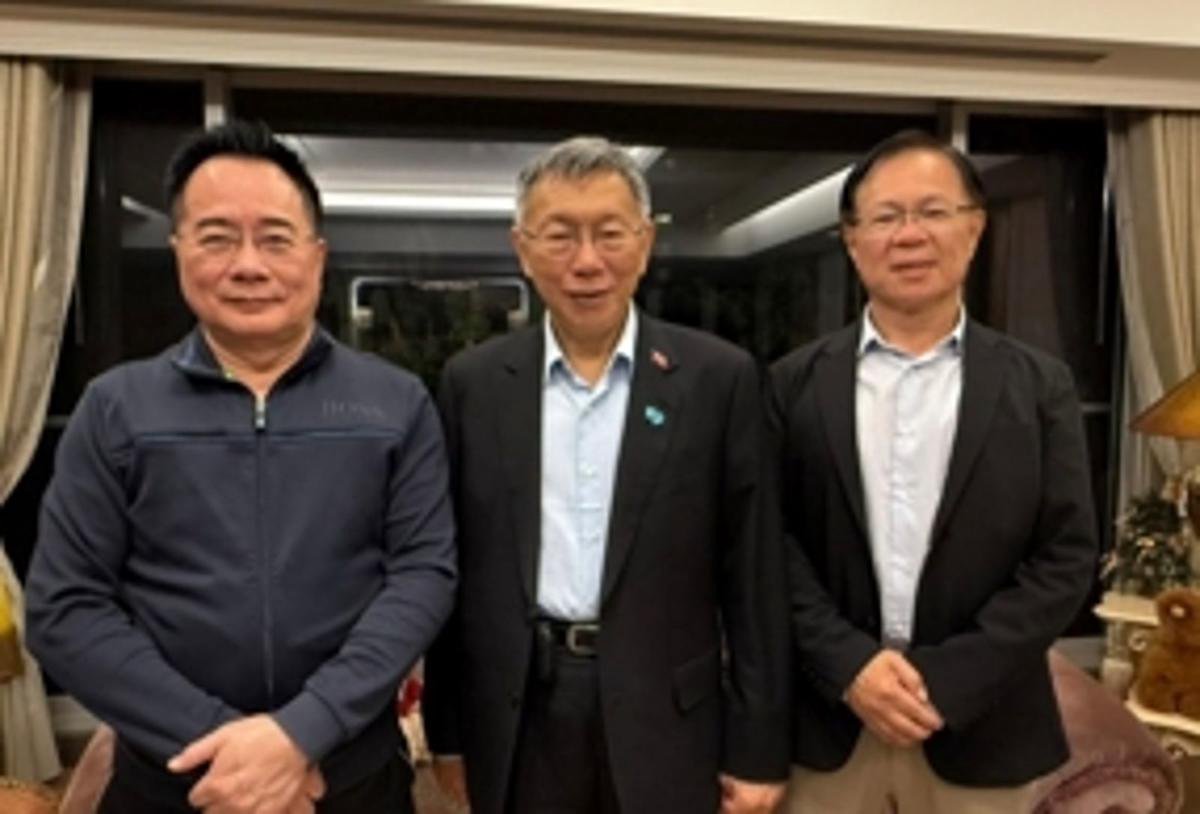
The biggest news rocking the political scene these past few days has undoubtedly been the heavy sentence handed down in the Ko Wen-je case. But what many might have missed is how quickly the fire has spread—it has now directly reached former Kuomintang legislator Tsai Cheng-yuan. Coinciding with the verdict, Tsai was handed a 7-year, 4-month prison sentence in the first trial for his involvement in accepting illegal political donations. Now, the KMT isn't just grappling with the political fallout from the Ko case; they might also have to deal with a brewing recall campaign against Tsai Cheng-yuan much sooner than anticipated. As I've been going around the local circuits, grassroots workers are whispering the same thing: "This is one battle we can't avoid."
Verdict Details Revealed: Political Donations Take Center Stage
While this verdict appears to be an offshoot of the Ko case, the investigation into Tsai's actions was already under intense scrutiny during the prosecutors' probe. The court determined that during a specific election period, he accepted illegal political donations from certain corporations—a substantial amount involving a quid pro quo arrangement. In the context of Taiwanese electoral politics, this is essentially a death knell. A sentence of 7 years and 4 months is undoubtedly the end of the political road for a seasoned politician who once held significant sway in the Legislative Yuan. But for local voters, this isn't just about one individual; it has major implications for the power dynamics across the entire constituency.
Many thought the Ko Wen-je case was an issue for the Taiwan People's Party alone. But with Tsai Cheng-yuan receiving such a heavy sentence, it's like the judicial crackdown has set its sights directly on the KMT's historically murky ties with business interests. Rumours are flying everywhere. Some say this is just the first wave, with more people set to be called in for questioning. Others point out that certain KMT local factions are now terrified, deeply afraid they might be next. This sense of fear is spreading rapidly through the grassroots.
Recall Campaign Fires Up Again? Local Grassroots: The Tide Has Turned
Actually, even before the verdict came down, there were already online movements trying to organise a petition for a recall campaign against Tsai Cheng-yuan. At the time, most saw it as just talk, given the high threshold needed to succeed. But the situation has changed completely with this verdict. According to political insiders in the area, the local discourse has shifted noticeably in recent days. Moderate voters who previously supported Tsai are now holding back, with many expressing a sense of realisation: "So that's what was really going on." This verdict has triggered several key effects at once:
- Surge in Mobilisation: The hardest part of a recall campaign is often generating momentum. But now, backed by a judicial ruling, the opposition has a legitimate cause. Many who previously wanted to stay out of politics now feel compelled to make their stance known.
- Pressure Mounts Within KMT: The KMT is now caught between a rock and a hard place. Standing by Tsai means going against public sentiment; abandoning him could be seen as cowardice, further denting party morale. Local party offices are flooded with calls, all asking the same thing: "Is the central party going to stand by its own people?"
- DPP Ready to Pounce: While the Democratic Progressive Party is keeping a low profile publicly, their local organisations are already mobilising behind the scenes. They won't directly orchestrate the recall, but by simply riding the wave of public opinion and quietly providing support, they can make this an incredibly tough fight for the KMT.
A senior KMT strategist, speaking on condition of anonymity, revealed: "It's no longer a question of whether we go to war; the enemy is already at the gates. The moment the verdict was issued, the recall campaign against Tsai Cheng-yuan went from a 'possibility' to an 'inevitability'."
Ko Case Fallout Spreads, KMT Faces Multi-Front Crisis
What many fail to grasp is that the heavy sentence in Ko Wen-je's case presents a crisis that hits closer to home for the KMT than they might think. In the court of public opinion, every politician's financial dealings will now be scrutinised under a microscope. Tsai's case acts as a flashpoint, exposing the grey areas in the KMT's past practices—activities once brushed off as 'local service' or 'constituent service'—and bringing them into the harsh light.
In the coming months, political observers expect several developments. First, the petition for the Tsai Cheng-yuan recall will gain momentum, potentially crossing the threshold quickly. Second, other KMT elected officials with similar controversies are now on edge, fearing they could be the next target. Third, if this judicial storm continues, it could completely reshape the political landscape heading into the 2026 local elections.
Tsai Cheng-yuan himself has not yet commented extensively on the verdict, but associates say he views it as a political witch hunt. However, for local voters, regardless of whether they see political motives at play, seeing a verdict laid out in black and white means that trust is something that can never be regained. The political wildfire, sparked by the Ko case and now engulfing Tsai Cheng-yuan, is just beginning.