Sheetala Ashtami 2026: Date, Puja Rituals, and the Grand Fair in Nalanda
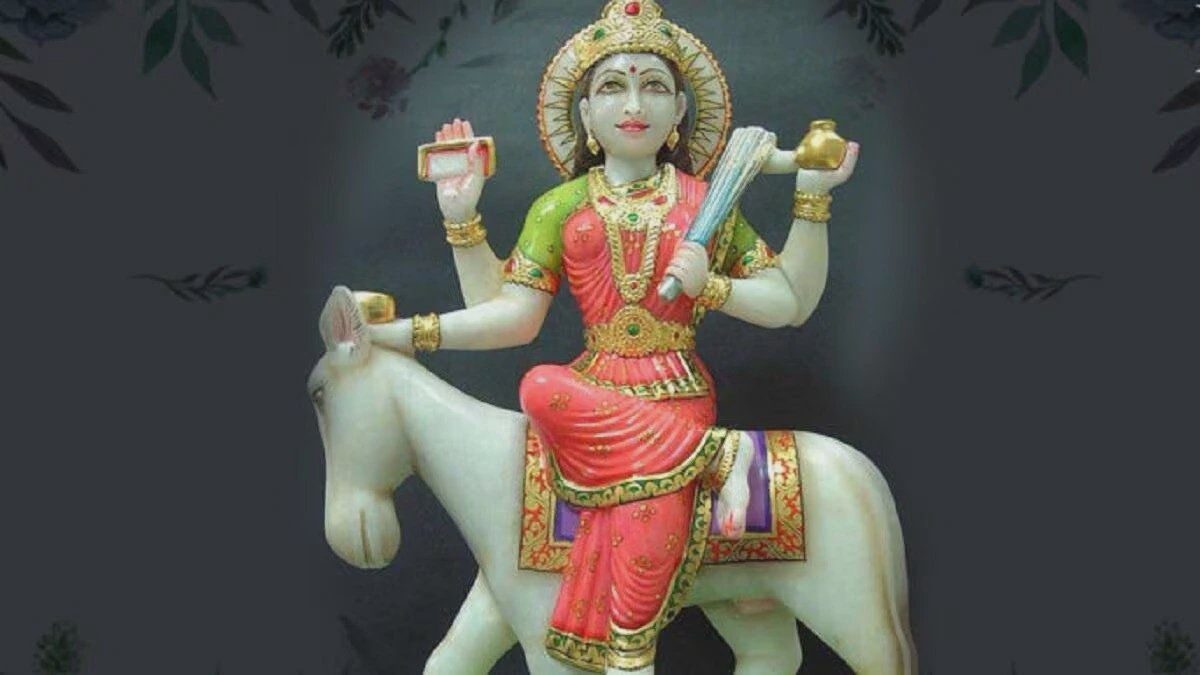
Honestly, if you're out and about in Nalanda today, you can feel the excitement in the air. It's Sheetala Ashtami, and the whole area has come alive to the sound of conch shells and the scent of marigolds. Down by the Panchane River, what began as a small local gathering has grown into what people are now calling a truly massive fair. Families have been walking since the early hours, carrying earthen pots and coconuts, their faces filled with quiet devotion. For us here, this is more than just a tradition—it's the day we give thanks to Maa Sheetala for protecting our children from illness, for watching over every home like a guardian.
Mark Your Calendar: March 10, 2026
This year, Sheetala Ashtami falls on Tuesday, March 10—the eighth day of the waning moon in the month of Chaitra. And you know what that means: last night, kitchens across the neighbourhood were busy preparing basundi, malpua, and halwa to be left out overnight. Because today, not a single flame is lit on the stove until the prayers are complete. The goddess prefers her offerings cool—it's a beautiful reminder that sometimes, a calm and patient approach can heal what haste cannot. I've watched grandmothers gently waking the little ones before sunrise, whispering, "Come on, let's get bathed before Maa wakes up."
The Grand Fair at Panchane River: A Sight to Behold
I've been going to this fair for as long as I can remember, and it gets bigger every year. Right now, the riverbank is absolutely packed—thousands of stalls line the ghat, selling everything from neem twigs to small idols. You'll see young mothers gently touching their babies' foreheads to the ground, old men quietly chanting the Sheetala Ashtami story, and kids running around with bright, sticky jalebis. Someone told me this year's crowd is the biggest in a decade; honestly, looking at the sea of people, I wouldn't doubt it. It feels like the whole community has poured its heart out here.
The Puja Rituals: What We Do and Why
The rituals are simple, but every step has its meaning. Here's what devotees do today:
- A pre-dawn bath: Ideally in a river or pond, to purify the body and mind.
- Offering food prepared yesterday: Sweet rice, puris, and halwa made the previous day are placed before the idol—no freshly cooked food is offered until the puja is over.
- Setting up the Kalash: A pot of water, covered with mango leaves and a coconut, is established as a symbol of the goddess's presence.
- Reading the story of the fast: The tale of the devoted daughter-in-law who pleased Maa Sheetala and saved her children from illness is recited.
- Aarti and sharing the offering: The cooled food is shared among family and neighbours—and no one eats until it has been offered to Maa first.
The Traditions We Follow
If you're observing the fast, you'll likely hear from your elders: don't light the stove in the morning, don't reheat anything, and absolutely avoid warm food until the puja is done. Also, if you see a donkey on the road—considered Maa's vehicle—it's seen as very lucky. People often feed them jaggery or bread as a gesture of devotion. I saw a group of children today gently petting a donkey near the ghat, and their mother smiled, saying, "That's Maa's blessing right there."
The Story Behind the Fast
Every family here knows the story well. Once, a king's daughter-in-law observed the Sheetala Ashtami fast with complete faith. When her children fell seriously ill, she prayed to Maa Sheetala, who appeared and instructed her to bathe them in cool water mixed with neem leaves and offer them food prepared the previous day. The children recovered. Since then, this day has been passed down as a reminder that coolness and patience can heal what haste and fire cannot.
As the sun sets over the Panchane River and the flames of the aarti flicker against the dark water, you'll feel it—that quiet sense of peace, knowing Maa is watching over every home. If you're observing the fast today, my wish is that she keeps your family healthy and your hearts calm. Sheetala Mata ki jai!