Jafar Panahi and the Unyielding Lens: Why His Cinema Matters More Than Ever
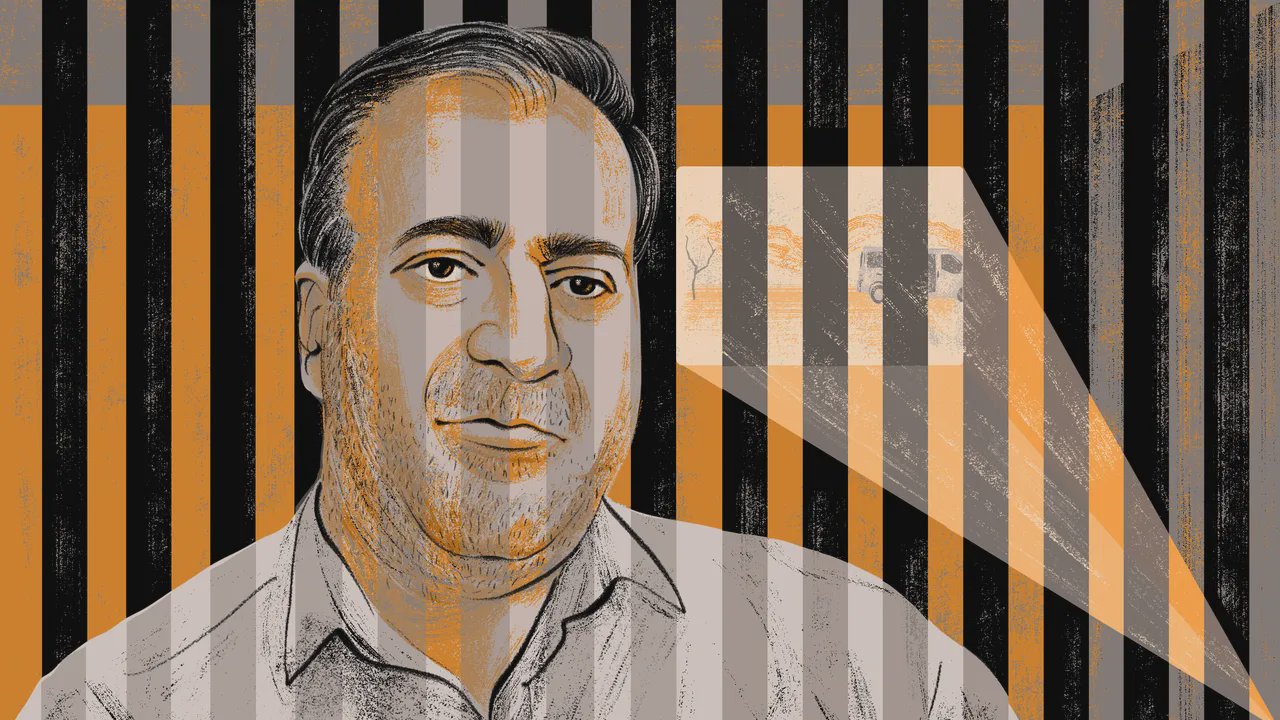
Over the last two decades, no filmmaker has embodied the raw intersection of art and defiance quite like Jafar Panahi. While the headlines this week are dominated by the latest intense discussions about the unequal struggle between movies and the mullahs, and while we absorb the harrowing testimonies of those like Mehdi Mahmoudian who have seen the inside of Iran's prison system, one truth remains self-evident: the camera, in Panahi's hands, is the most powerful weapon he owns. It doesn't fire bullets; it fires truth.
For those of us who have been tracking Iranian cinema since the heyday of Abbas Kiarostami, Panahi represents the next, more turbulent chapter. He took the poetic humanism of his mentor and injected it with a vein of raw, political urgency. His latest works, often made in secret and smuggled out on USB sticks, aren't just films; they're communiqués from a front line. But let's strip away the politics for a moment and look at the product, because that's where the real, lasting value lies—both culturally and, yes, commercially.
The Taxi That Took on the World
You cannot discuss Jafar Panahi without stopping at his 2015 masterpiece, Taxi. Shot entirely from a single dashboard camera in a taxi he drives through Tehran, it obliterated the rulebook on what cinema could be. It's a documentary, it's a fiction, it's a manifesto. The passengers—a spirited niece, a thief, a dying man buying goldfish—aren't just characters; they are the living, breathing contradictions of Iranian society. Taxi is the perfect distillation of Film, Form, and Culture colliding into one seamless, unbreakable narrative. It won the Golden Bear in Berlin, but more importantly, it proved that you could make a film with zero resources and infinite soul.
The Kiarostami Connection
To understand Panahi's DNA, you have to go back to the source. His writings in In the Time of Kiarostami: Writings on Iranian Cinema reveal a director who absorbed his mentor's lessons on simplicity and ambiguity, then filtered them through a harsher reality. Where Kiarostami found poetry in the everyday, Panahi found conflict. Yet the throughline is the same: a deep, abiding trust in the audience's intelligence. They don't tell you what to think; they show you a frame and let you fill in the rest. This intellectual rigor is precisely what makes Jafar Panahi Film Productions such a sought-after brand at festivals. Distributors aren't just buying a movie; they're buying into a legacy of artistic integrity.
The Commercial Paradox of Defiance
Here's where the conversation gets interesting for anyone with a stake in the entertainment business. There's a persistent myth that "political" cinema is box office poison. That's a lazy take. Look at the numbers. When the Criterion Collection releases a Panahi box set, it sells out. When a restored print of The White Balloon (his 1995 debut) tours art houses, it draws crowds hungry for authentic cultural experiences. The recent buzz around smaller Iranian films, like the one currently being debated on streaming platforms (the one some critics are calling "just an accident" but is actually a tight, character-driven thriller), proves there is a ravenous appetite for stories outside the Hollywood industrial complex.
Consider the current landscape:
- Streaming Wars: Platforms like MUBI and Criterion Channel are built on the backs of auteurs like Panahi. They need deep catalogs that offer cultural cachet.
- Globalized Audiences: American viewers are tired of recycled IP. They crave the verisimilitude that only comes from a filmmaker operating without a net.
- Festival Currency: A Panahi premiere at Cannes or Venice guarantees headlines. The "banned director" narrative, while tragic, is a powerful marketing tool that money can't buy.
The smart money isn't on sanitized content; it's on authentic voices. The form and culture embedded in every frame of Panahi's work—the taxi as a confessional, the city as a character—are assets that transcend subtitles. They speak to universal anxieties about freedom, expression, and human connection.
As we watch the latest dispatches from Tehran and the ongoing struggles documented by journalists like Mahmoudian, we're reminded that Panahi's films are more than entertainment. They are historical documents. And for the industry, they represent a vital, untapped vein of premium content. The director who isn't allowed to make films for a decade and still produces work that shakes the world? That's not just a filmmaker. That's a franchise.