André Jardine: How the América 'Gardener' Keeps Winning, Even as His Assistant Paulo Victor Leaves for Brazil's U-20 Team
Hey, grab your shovels and watering cans, because things are heating up in Coapa! It turns out that André Jardine, the Brazilian head coach who has turned América into a genuine garden of delights, is momentarily losing his right-hand man. You read that right: Paulo Victor, his trusted assistant, has received a call from his homeland and is off to take the helm of the Brazilian U-20 National Team, with the mission of qualifying them for the Olympics. But does this stop the harvest of trophies at the Nest? Not a chance, folks. Because when you've got a top-tier gardener, the grass always stays green.
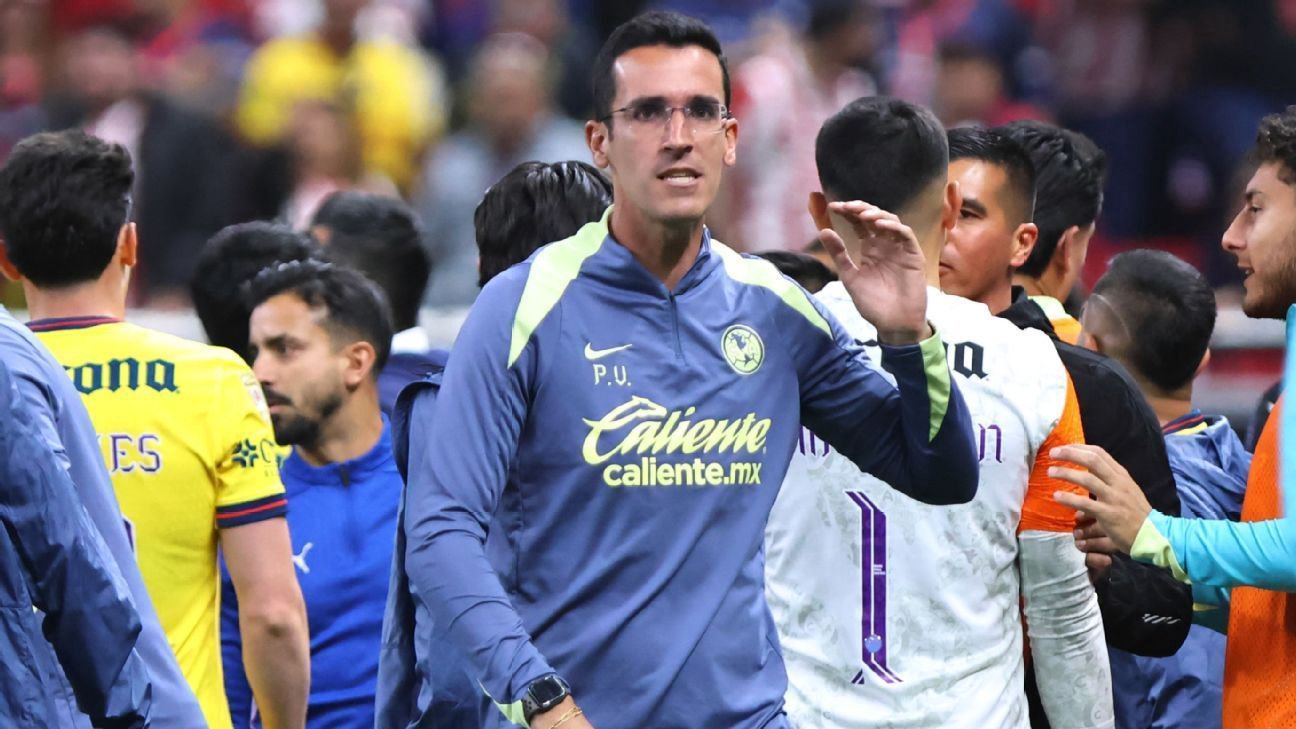
Saying Goodbye to a Master Pruner
Paulo Victor wasn't just any assistant. In the gardening world of football, he was the one in charge of fine-tuning the details, watering Jardine's tactical ideas, and making sure every little plant (aka player) grew straight and tall. Together, they built a formidable team that has been setting the standard in Liga MX and is hungry for more. His departure to coach the Brazilian U-20 team is a testament to the work they've done at the Azteca, but it's also a challenge for the club's structure. The Canarinha is getting a guy who knows pressure and understands what it takes to win.
The Nest's Garden is More Vibrant Than Ever
If there's one thing Jardine has shown during his time in Mexican football, it's that he understands serious gardening. He doesn't just focus on the starting eleven; he's cultivated the youth divisions with the patience of a Buddhist monk. From the Bantam category all the way up to the first team, every part of the club breathes his philosophy. So, even though Paulo Victor is packing up his pruning shears and heading to Rio de Janeiro, the foundation remains untouched. América isn't a one-man show; it's a well-balanced ecosystem.
Just look at the recent harvest: a back-to-back championship that tasted like glory and the very real possibility of going for a three-peat. The young guys who debuted under his guidance—the ones who used to be in the Bantam squad and are now key parts of the roster—are living proof that the Jardine method works. Like any good gardener, André knows you have to plant for the future, not just for the next game.
What's Next for Las Águilas?
The departure of an assistant always raises questions, but things are calm in Coapa. Jardine has already proven he can adapt, that his gardening manual is his own. If anything, this could be a boost for other staff members to step up and show what they've got. In the meantime, the Brazilian keeps his focus on the next objective: keeping América at the top of Mexican football and, along the way, continuing to export talent... even if it's back to his home country.
What happened with Paulo Victor is a point of pride for the América faithful. Having a national team come and poach your assistant speaks volumes about the level of expertise at the club. Now, the responsibility of keeping the garden from drying out falls entirely on Jardine. And from what we've seen, I'm not even a little bit worried. The roots run deep, the flowerbeds are well-tended, and the sun keeps shining on the Nest.
The Fruits of the Jardine Era Are Already in Plain Sight:
- Back-to-back Liga MX titles: Something not seen in Coapa for years.
- A boosted youth academy: Young players who have debuted and cemented their place in the first team.
- A defined playing style: An offensive, brave DNA that wins over the fans.
- Exporting coaching talent: As seen with Paulo Victor, now at the helm of Brazil's U-20s.
So there you have it, my fellow football gardeners. André Jardine's América isn't slowing down. They lose an assistant, but gain prestige and prove that their project is as solid as an oak. And in the meantime, we'll keep enjoying this spectacular garden the Brazilian has given us. Because when you work the soil with love, the flowers never stop blooming.