Motörhead guitarist Phil Campbell passes away: A final photo with mates and memories of a rock legend
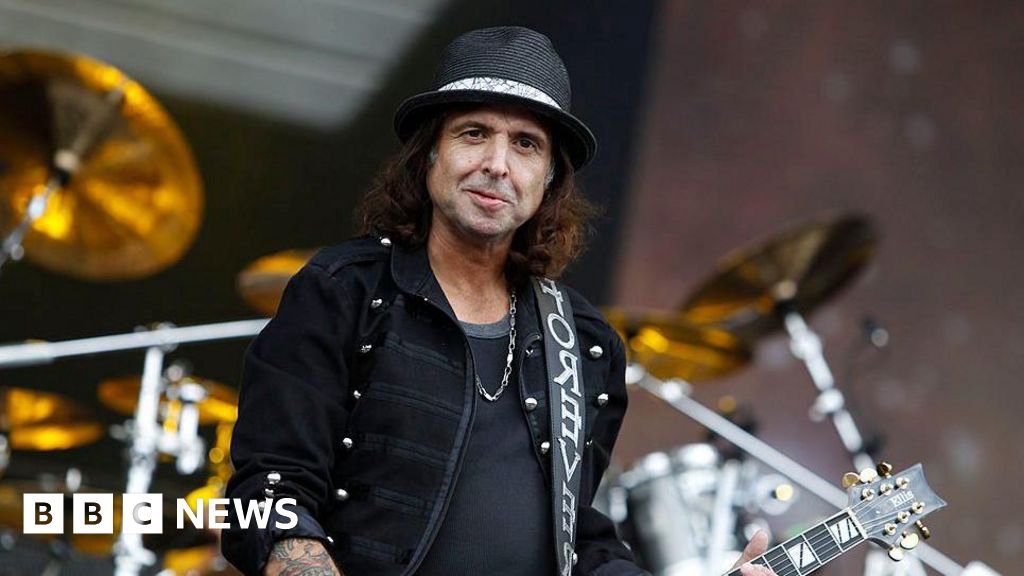
There he sits, as laid-back as ever, surrounded by a few mates, a beer in hand – this is how we knew him, how we loved him. The final photo of Phil Campbell, which surfaced a few days ago, shows the guitarist relaxed and in good spirits. No one really knew it would be one of the last moments the rocker would share with his friends. Now it's official: Phil Campbell, the man with the roguish smile and razor-sharp riffs, has died. The rock world is mourning one of the most authentic guitarists British hard rock has ever produced.
From Welsh lad to Motörhead mainstay
Born in Pontypridd, Wales, Campbell found music early on. But he hit the big stage in 1984 when he joined Motörhead – a band that was already legendary. Lemmy Kilmister, that unmistakable bassist and singer, brought him on board to beef up the rhythm guitar. Along with then-drummer Phil "Philthy Animal" Taylor and later Michael Burston, known as Würzel, Campbell shaped the classic lineup of the eighties. This setup – with two guitarists – cooked up a sound that was dirtier, more massive, and yet unmistakably Motörhead.
The Würzel era and the spirit of "Another Perfect Day"
Würzel, who left us far too soon in 2011, and Phil Campbell – together they were a guitar wall that would shatter concrete. They toured the world together and pressed albums. "Another Perfect Day" (1983) was actually before Campbell's time, but the raw energy of that album – that mix of punk attitude and heavy metal punch – was exactly what Campbell later brought to the stage perfectly. You could say he took the spirit of that record and pushed it further with his own, more bluesy touch. Even though Another Perfect Day came together without him, it was the blueprint for the era he helped shape: technically skilled, but always with a heart rooted in the grime of rock 'n' roll.
His sound, his legacy
Phil Campbell was more than just the "other guitarist" next to Lemmy. He was the one who brought the melodies into the noise. His solos were never just about speed; they always had that certain melt – like an old bluesman screaming through a Marshall stack. Albums like "Orgasmatron" (1986) or "Rock 'n' Roll" (1987) carry his unmistakable signature. After Lemmy's death in 2015, Campbell carried on with his own band, "Phil Campbell and the Bastard Sons", and kept the flag flying. He proved the motor kept running even without the boss – with the same racket, but also the necessary respect for the legacy.
The final days and the farewell
That final photo doing the rounds shows him in the company of close mates – laughing, chatting, probably spinning old yarns. This is exactly how we want to remember him: as a down-to-earth bloke who never really needed the spotlight but always knew how to make it shine. The cause of death hasn't been officially confirmed yet, but the grief in the music community is massive. From Brian May to Dave Grohl, tributes are stacking up. For many fans, he was the last real rock guitarist of an endangered species.
His key milestones with Motörhead – a short but sweet selection:
- 1984: Joins Motörhead, kicking off the two-guitar era.
- 1986: The album "Orgasmatron" – Campbell's riffs get darker, more political.
- 1991: "1916" – shows his versatility, from ballad to belter.
- 2004: "Inferno" – a late-career effort proving Campbell hadn't lost any of his bite.
- 2015: After Lemmy's death, he forms "Phil Campbell and the Bastard Sons" and keeps touring.
With Phil Campbell, the world loses not only an outstanding guitarist but also a piece of genuine rock culture. His riffs will keep blasting through speakers as long as there are people who love loud music. Wildman, virtuoso, Welshman, Motörhead – he was all of it at once. And now that the final curtain's come down, there's only one thing to do: crank the guitar up properly and give the neighbours a fright in his honour. In that spirit: thanks for the noise, Phil!