Wildfires Raging in Japan? What You Need to Know About Home Insurance and Fire Alarm Systems to Stay Safe
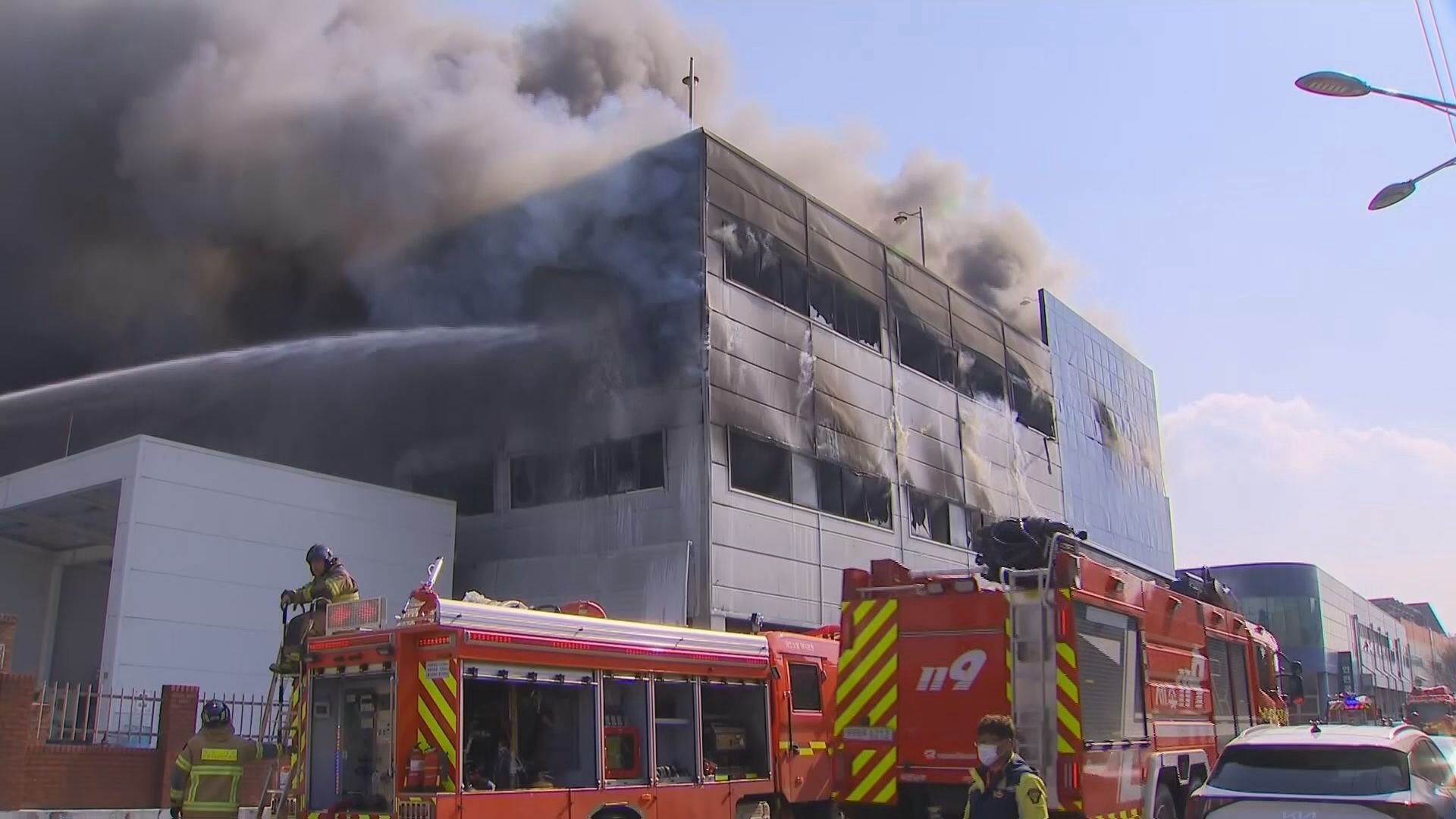
Over the past few days, news of wildfires sweeping from Ehime to Miyazaki in Japan has left everyone on edge. Honestly, living in Taiwan, we're practically hardwired to be prepared for earthquakes and typhoons. But when it comes to "wildfires"—a disaster that seems far removed from our daily lives—it's easy to let our guard down. With climate change driving more frequent extreme weather, large-scale forest fires like these may not be "someone else's problem" for much longer.
The situation in Japan is truly dire. The fire in Ehime Prefecture burned for days, scorching an area larger than several districts of Taipei combined and forcing hundreds of people to evacuate their homes. What's even more alarming is that the flames came dangerously close to residential neighborhoods. Watching the smoke blot out the sun, with firefighting helicopters darting back and forth dropping water, you could feel the helplessness even through a screen. Soon after, a fire broke out in Miyazaki Prefecture. While a bit smaller in scale, fanned by dry, strong winds, it spread terrifyingly fast, prompting local authorities to issue immediate evacuation orders.
In times like these, everyone's top concern is the safety of their home. A friend of mine working in Japan was near one of the evacuation zones. He told me there was no time to think—he just grabbed his ID and phone and ran. When he finally returned home after the fire was contained, he was devastated to find his exterior walls blackened with soot and his rooftop solar panels damaged. In that moment, that home insurance policy you might have just thought of as "good to have" becomes the critical factor in whether you can rebuild your life.
Many people might not realize that fire insurance in Japan is actually quite detailed. A standard residential fire insurance policy typically covers losses from fire, lightning, explosions, and similar incidents. But in a scenario like this, where a wildfire spreads from the mountains into a community, does it qualify for coverage? The fine print of home insurance policies varies by company, especially concerning the definition and coverage conditions for "conflagration" (fire spread). Some policies consider fire spread from a wildfire as a standard fire claim, while others categorize it as a special peril that requires an additional rider for coverage.
So, this situation gives us a crucial reminder: take some time to dig out your insurance policy and review it, or give your agent a call. If you live near a hillside, a forest park, or any similar area, you absolutely need to confirm whether your home insurance covers risks like "wildfires" or "conflagration." The last thing you want is to discover your policy doesn't cover the damage when flames are literally at your doorstep—that would be devastating.
Beyond insurance claims after the fact, prevention is the most important piece of the puzzle. The swift evacuations and limited casualties in this Japanese disaster can be attributed not only to residents' high level of awareness but also to the effective fire alarm systems in place. Let's break down what makes their disaster prevention framework so strong:
- Dense Sensor Networks: A vast network of smoke and heat sensors is installed in mountain and forest areas. If an anomaly is detected, the signal is sent directly to fire departments—often faster than a resident can call it in.
- Targeted, Real-Time Alerts: Using mobile phones, TV, and community loudspeakers, authorities can issue "emergency evacuation orders" for specific areas. This prevents city-wide panic while precisely guiding residents in the danger zone on what to do.
- Regular Disaster Drills: Neighborhood and community associations routinely conduct disaster map reviews and evacuation drills. This ensures residents know exactly where to go and how to contact family members if a fire breaks out.
Looking back at our own situation, Taiwan actually has a very sophisticated disaster prevention system. However, many of our fire alarm systems at home might be basic smoke detectors at best, and some older apartments don't have any at all. The lessons from these wildfires in Japan might be the perfect opportunity to reevaluate our own home safety equipment. Installing a residential fire alarm and checking that wiring isn't old or damaged are simple steps that could save lives in a critical moment.
In the end, we are truly small in the face of natural disasters. But what we can do is be as prepared as possible during peacetime. Whether it's reviewing your home insurance or upgrading your fire alarm system, these aren't difficult tasks. Yet, they could be the key to the last line of defense for you and your family. I hope the situation in Japan gets under control soon, and I hope we can all learn a valuable lesson from this so that such tragedies can be prevented in the future.