Japan's Wildfires Rage On: What You Need to Know About Home Insurance and Fire Alarm Systems to Protect Yourself
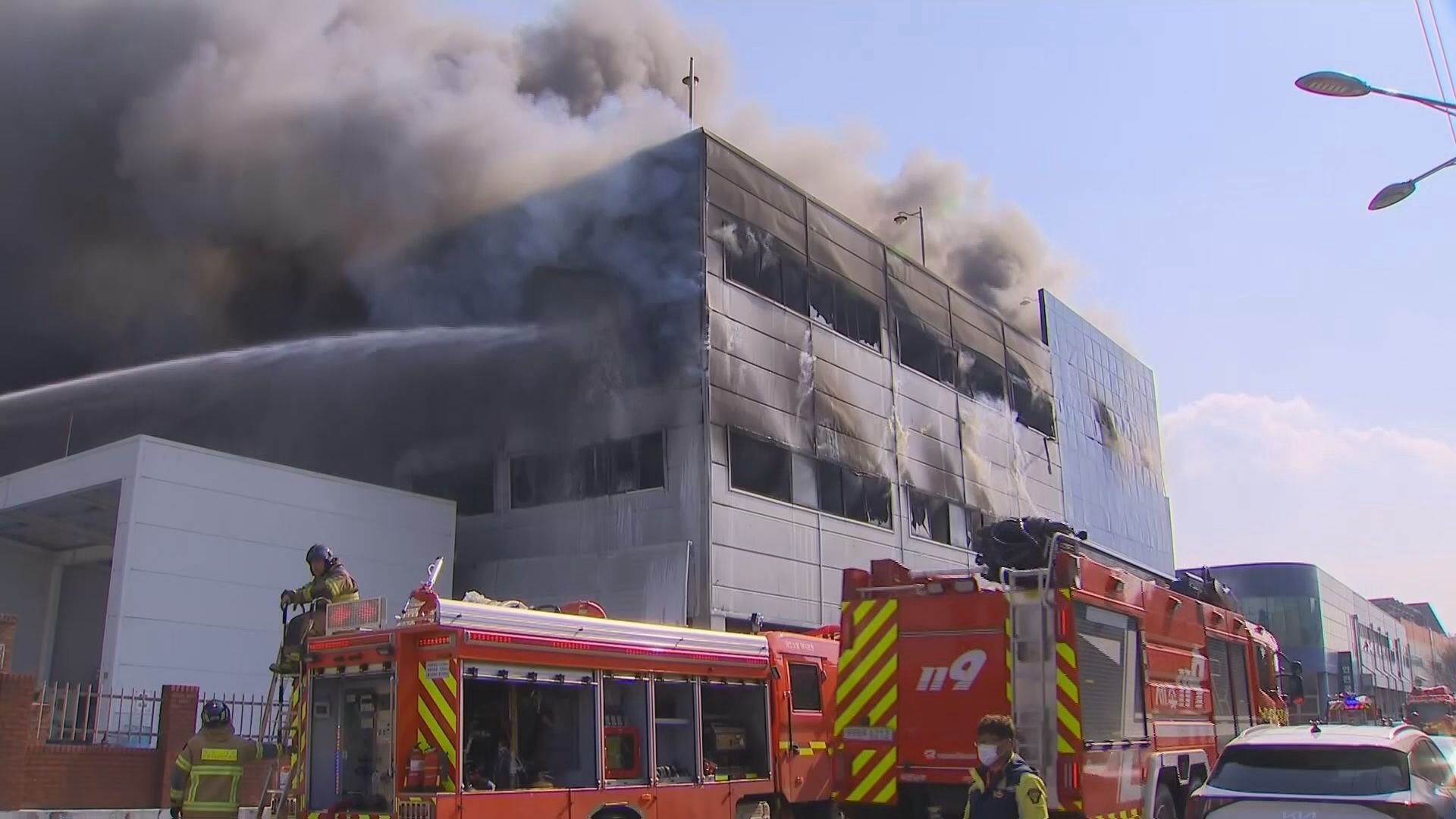
Over the past few days, news of the wildfires in Japan, stretching from Ehime to Miyazaki, has been truly alarming. We in Singapore are pretty well-versed in preparing for things like storms or even transboundary haze, but we tend to be a bit complacent about “wildfires,” thinking they’re something that happens far away. But with climate change making extreme weather more common, large-scale forest fires like these might not be just “someone else’s problem” for much longer.
The situation in Japan is really serious. The fire in Ehime Prefecture raged for days, burning an area larger than several towns in Singapore, forcing hundreds of people to evacuate their homes. What was even more frightening was how close the flames got to residential areas. Seeing those images of thick smoke blotting out the sun, and firefighting helicopters flying back and forth to drop water, you could feel the helplessness even through the screen. Soon after, a fire broke out in Miyazaki Prefecture. Though slightly smaller in scale, driven by dry, strong winds, it spread at an alarming speed, leading to immediate evacuation orders for local residents.
In times like this, the safety of our homes is top of mind. A friend of mine working in Japan was near the evacuation zone. He told me that there was no time to think; he just grabbed his ID and phone and ran. When he finally got home after the fire was contained, seeing the scorched exterior walls and damaged solar panels on his roof was devastating. It's in moments like these that the home insurance policy we usually just “have” without a second thought becomes the deciding factor in whether we can rebuild our lives.
Many people might not realise that fire insurance in Japan is quite detailed. Standard residential fire insurance usually covers losses from fires, lightning, explosions, and so on. But if it’s a “wildfire” that spreads from a forest area, like in this case, is it covered? The definitions and conditions for “fire spread” in home insurance policies can vary between insurers. Some treat “fires that spread from outside” as a standard fire accident, but others might classify it as a special peril that requires an additional rider for coverage.
So, one important lesson from this is: take some time to dig out your insurance policy and read it, or give your agent a call. This is especially crucial if you live near slopes, forested areas, or parks. You need to confirm if your home insurance covers risks like “bushfires” or “fire spread from external sources.” You definitely don’t want to be in a situation where the fire is at your doorstep, only to find out your policy won't cover it. That would be a nightmare.
Beyond the post-incident insurance claims, prevention is even more critical. Japan’s ability to execute swift evacuations and minimise casualties this time is thanks to residents’ high awareness and a well-established fire alarm system. Let’s break down what makes their disaster prevention mechanism so effective:
- High-density sensor network: A vast network of smoke and temperature sensors is installed in mountainous and forested areas. Any anomaly triggers a direct alert to the fire department, often faster than a civilian can call it in.
- Targeted and immediate alerts: Using mobile phones, TV, and even community broadcasts, authorities can issue “emergency evacuation orders” for specific zones. This prevents city-wide panic while accurately guiding residents in danger zones.
- Regular disaster drills: Local neighbourhood associations and community councils regularly conduct drills to review hazard maps and evacuation routes, ensuring residents know where to go and how to contact family during a fire.
Looking back at home, we actually have a pretty robust disaster prevention framework here too. However, for many of us, the fire alarm system in our homes is often just a basic smoke detector, and some older apartments might not even have that. The recent wildfires in Japan are a wake-up call for us to re-evaluate our own home safety. Simple steps like installing a residential fire alarm and checking that electrical wiring isn’t old or frayed can make a life-saving difference when it counts.
Ultimately, when facing natural disasters, we are truly small and vulnerable. But what we can do is to be as prepared as possible during peacetime. Whether it’s reviewing your home insurance or upgrading your fire alarm system, these are not difficult tasks, yet they could be the key to the last line of defence for you and your family. Hopefully, the situation in Japan will be under control soon, and we can all learn valuable lessons from this to prevent such regrets from happening again.