Japan's Wildfires Rage On? From Home Insurance to Fire Alarm Systems, Here's What You Need to Know to Protect Yourself
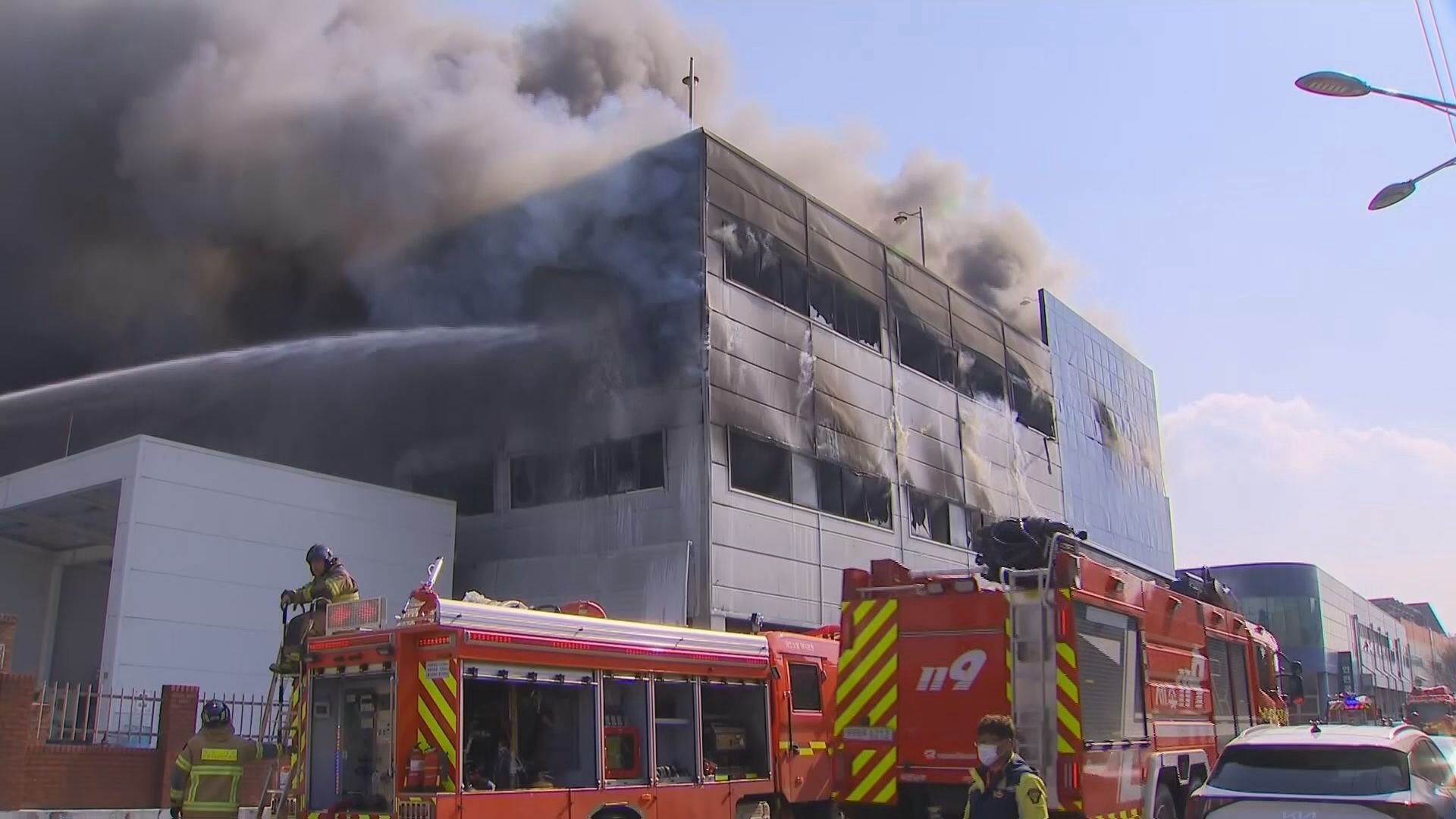
Over the past few days, news of the wildfires spreading from Ehime to Miyazaki in Japan has been pretty alarming. Living in New Zealand, we're pretty clued up on earthquake and flood preparedness—it's second nature. But when it comes to "wildfires," something that feels a bit more distant, it's easy to get caught off guard. With climate change making extreme weather more frequent, large-scale bushfires like these are no longer just "someone else's problem."
The situation in Japan is seriously dire. The fire in Ehime burned for days, scorching an area larger than several central city suburbs, forcing hundreds of people to evacuate. What was really terrifying was how the fire crept close to residential zones. Seeing the thick smoke blot out the sun, with fire helicopters crisscrossing overhead to drop water—you could feel the helplessness, even through a screen. Shortly after, another fire broke out in Miyazaki. While slightly smaller in scale, fanned by dry, strong winds, it spread at a frightening speed, prompting an urgent evacuation order for locals.
In times like these, the safety of your home is front of mind. I have a mate working in Japan who was near one of the evacuation zones. He told me there wasn't time to think—he just grabbed his wallet and phone and ran. When he got back after the fire was contained, seeing his home's exterior scorched and the solar panels on the roof damaged was just gut-wrenching. In that moment, that home insurance policy you might have just thought of as a box to tick becomes absolutely critical to getting your life back on track.
What many people might not realise is that in Japan, fire insurance can be quite detailed. A standard home fire insurance policy usually covers damage from fire, lightning, explosions, and so on. But for something like this—a wildfire that spreads from the bush—does it count as a covered event? The definition of "spread" fire and the terms for claiming it vary between insurers. Some policies treat a "spreading wildfire" as a standard fire event, while others might classify it as a special disaster that requires an additional endorsement to be covered.
So, this whole situation is a massive wake-up call: dig out your insurance policy and have a look, or give your insurance broker a call. If you live near bushland, the hills, or a reserve, you absolutely need to check if your home insurance covers "bushfire" or "wildfire" risks. The last thing you want is to find out your policy doesn't cover it when the fire is at your doorstep—that would be devastating.
Beyond insurance for after the event, prevention is key. The reason Japan was able to evacuate people quickly and keep casualties relatively low was not just down to residents being alert; their well-developed fire alarm systems played a huge part. Let's look at what makes their approach so effective:
- High-density sensor networks: A vast network of smoke and heat sensors is installed in mountains and forested areas. If something's off, the alert goes straight to fire services—often faster than a member of the public calling 111.
- Targeted, real-time alerts: Evacuation orders are issued to specific areas via mobile phones, TV, and community loudspeakers. This helps guide those in immediate danger without causing widespread panic.
- Regular disaster drills: Local community groups and neighbourhood associations regularly hold drills to review evacuation maps and practice what to do, so everyone knows where to go and how to contact family if a fire breaks out.
Thinking about our own situation, New Zealand actually has a pretty solid civil defence system. But often, our home fire alarm systems might just be basic smoke detectors—or in some older places, none at all. The lessons from Japan's wildfires are a good prompt for us to check our own setups. Simple things like installing photoelectric smoke alarms and making sure wiring isn't old or damaged can make a life-saving difference when it counts.
At the end of the day, facing a natural disaster reminds us how small we are. But what we can do is prepare as best we can in the everyday moments. Whether it's checking your home insurance or upgrading your fire alarm systems, these aren't huge tasks—but they could be the very thing that protects you and your family when it matters most. Here's hoping Japan's situation eases soon, and that we can all take something valuable from this, so we can avoid finding ourselves in the same boat.