Spring Equinox Sparks a 'Hyperactive' Aurora? Your Guide to Watching the Northern Lights on March 20–21, 2026
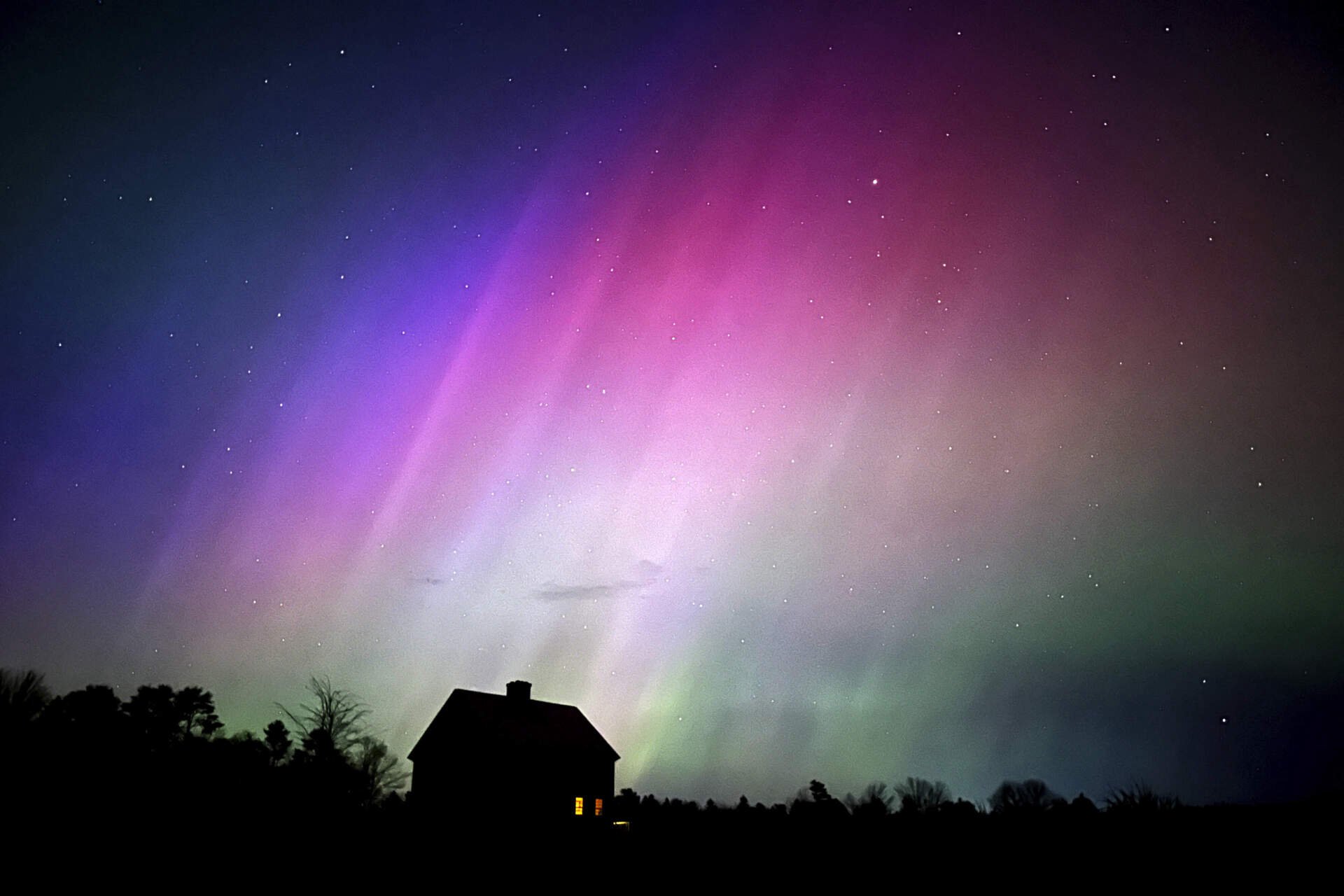
Tonight, there's a reason to look up. Right now, a kind of "cosmic magic" is happening thanks to the alignment of the sun and Earth. Around the spring equinox, the chances of seeing the northern lights at much lower latitudes than usual skyrocket. The latest models from weather agencies show data indicating a moderate to strong geomagnetic storm is set to occur from March 20 to 21. This means that beyond the usual hotspots like Scandinavia and Canada, even your own city might get a front-row seat to that ethereal "celestial curtain."
Why is the Spring Equinox So Special for the Northern Lights?
For years, astronomy buffs have known that the equinoxes are prime time for aurora viewing, and there's solid science behind it. As someone who's tracked the relationship between Earth's magnetosphere and solar wind for years, I can tell you it's all about the "Russell-McPherron effect." During the spring and autumn equinoxes, the orientation of the solar wind becomes nearly perpendicular to Earth's rotational axis. This creates the perfect conditions for energy to build up in our magnetosphere. Essentially, solar particles get "sucked in" by Earth's magnetic field with far greater efficiency than usual. This is the mechanism that turns the northern lights into a "hyperactive" spectacle.
This year's equinox is shaping up to be a perfect storm. The effects of a recent, active coronal hole on the sun are hitting Earth at exactly the right moment. Current forecasts have upgraded the geomagnetic storm level from "G2 (Moderate)" to "G3 (Strong)," and experts are buzzing that "this could be the most promising night we've had in years."
Prime Time: Two Back-to-Back Nights, Tonight and Tomorrow
The main event is expected to unfold from sunset to late tonight, March 20 (Friday), and if forecasts hold, it could continue during the same window on the 21st (Saturday). The peak of the geomagnetic disturbance is expected between 11 PM and 2 AM local time.
Of course, the biggest obstacles for aurora hunters are clouds and light pollution. Luckily, a high-pressure system is expected to cover much of the area from the Sea of Japan coast to the Pacific side this weekend, offering clear skies across a wide region. In places like Hokkaido, the Sea of Japan coast of Tohoku, and higher elevations, there's a high probability of seeing faint pink and green bands with the naked eye. Even if you usually think of the aurora as something only seen on TV, tonight is the night to look north, scanning the horizon.
If you're serious about catching a glimpse tonight, keep these three things in mind:
- Find a spot with a clear view north, far from city lights: An unlit coastline or a parking lot in the highlands is ideal.
- Set up your camera on a tripod and let it run: Even if you can't see it with your eyes, a long exposure can reveal a world you never knew was there. For smartphones, using "night mode" with the phone propped up can lead to surprising discoveries.
- Dress like it's the dead of winter: March nights can be deceptively cold. A thermos of hot coffee and a hand warmer are absolute essentials.
The Romance Behind the Name "Aurora"
In Scandinavia and Russia, this natural phenomenon is called "Aurora," a name that not only sounds beautiful but also carries the meaning of "dawn." It comes from the Roman goddess of the dawn, symbolizing the very moment darkness transforms into light. So, if you witness the northern sky softly glowing tonight, think of it as more than just a light show—it's a preview of dawn sent to us from the cosmos.
It brings me back to a night spent in an Icelandic fjord, waiting for hours in -15°C weather. Just as everyone was giving up and heading back to the car, the entire sky began to ripple like a silk curtain. That feeling was more powerful than any piece of high-tech gear. Data and forecasts are helpful, but in the end, it comes down to your own eyes and a bit of luck. Here's hoping the goddess descends on your sky tonight.
So, charge your camera battery, fill your thermos with coffee. It's time to get ready.