The Ultimate Guide to Gachi-Chinese: Exploring Japan's Most Authentic Chinese Spots
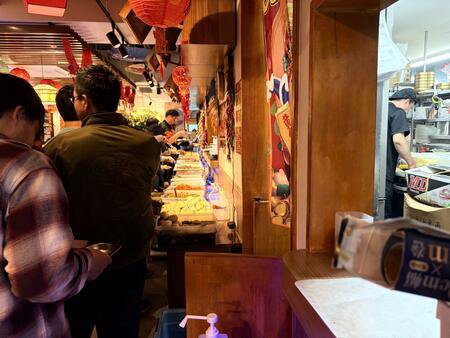
Lately, when you're walking around Tokyo or Osaka, you've probably been hearing the term "Gachi-Chinese" a whole lot more. It's moved beyond just being a category of ethnic food and is seriously becoming a new pillar of Japan's food culture. But when it comes to actually deciding, "Okay, where should I go?" or "What should I eat?", the sheer amount of info out there can honestly make it more confusing.
So, for this one, I'm going to give you the lowdown on the latest in the "Gachi-Chinese" scene and how to enjoy it without fail, even if you're a first-timer. We'll chat about how "Shin-Okubo" has transformed in recent years, and even touch on some lesser-known, deeper spots. Read this like you're getting tips from a local senior.
It's Not "For Japanese", It's The Real Deal
The reason it's called "Gachi-Chinese" is, of course, because of how "real" it is. Menus might have Japanese written in small letters in a corner, or they might be Chinese-only. It's totally common for there to be more Chinese-speaking staff than Japanese-speaking ones. But honestly, this is what makes it feel authentically cool.
Ikebukuro and Ueno are still buzzing, for sure, but the hottest spot right now has to be Nishi-Kawaguchi. It's totally shaken off its old image and become like a "miniature China". Head here, and you'll find shops specialising in Peking duck, and places where you can eat authentic Biang Biang noodles made by a chef from Xi'an. It's gotten to the point where you can practically go on a local food tour of China without leaving Japan.
3 Golden Rules For Savouring "Gachi-Chinese"
For those of you stepping into the world of Gachi-Chinese for the first time, here are my personal golden rules.
- Don't over-rely on reviews, trust your gut: Sure, places with high ratings on Japanese review sites are fine, but the real gems are buzzing on Chinese social media (like WeChat or Little Red Book). If you stand outside a place and 90% of what you hear from inside is Chinese, that's a sure sign it's a winner. Don't hesitate – just walk right in.
- Use the staple dishes to judge the chef's skill: The classic move at any shop is to order their simplest dish first. For example, if it's a Sichuan place, order the "Mapo Tofu." For a Xi'an place, get the "Mutton Biang Biang Noodles." If that's delicious, you can bet the rest of the menu won't disappoint.
- Communication is all about body language and a smile: It's a given that you might not speak the same language. Just point at something on the menu, or point at what the person next to you is eating that looks good. That's all it takes to communicate, and the staff will smile back, thinking, "This Japanese person gets it." Trust me, it works way smoother than showing them your phone's translation app.
The Latest Trends: Next-Level Hotpot and Dim Sum
You can't talk about the recent Gachi-Chinese scene without mentioning how hotpot and dim sum are constantly evolving. More and more places are offering not just the traditional spicy broths, but also Tom Yum-style soups or herbal ones. Also, there's a quiet boom in specialty shops where you can take away fresh, "raw" dim sum, hand-wrapped by authentic chefs – a world apart from the frozen gyoza you find in Japanese supermarkets. Seriously, these are a lifesaver when you want a little luxury at home.
For the latest scoop on this kind of stuff, the fastest sources are the networks of us regulars who actually go to these places, or the local free papers. If you're thinking of starting your own "Gachi-Chinese guide" journey, the first step is to just go for it. You'll never get to the truly fun part if you're just chasing information online.
Find Your Own Go-To Spot
Calling it "how to enjoy Gachi-Chinese" might sound a bit grand, but really, it's about figuring out how to fit it into your own lifestyle. You might go all out for a weekend lunch, or drop by after work to enjoy a beer and some fried gyoza in a corner of the shop (though, fun fact, boiled dumplings are actually more common as the authentic staple).
It might take a bit of courage at first. But once you step inside, you'll find yourself in a space that's definitely still Japan, yet feels like another China entirely. This "Gachi-Chinese" movement isn't just about food diversity; it brings a little bit of adventure and excitement into your everyday life. So, how about next weekend, instead of your usual chain restaurant, you step through the noren curtain of that intriguing-looking "Gachi-Chinese" spot near the station?