The Complete Guide to "Gachi-China": How to Enjoy Japan's Hottest New Food Trend
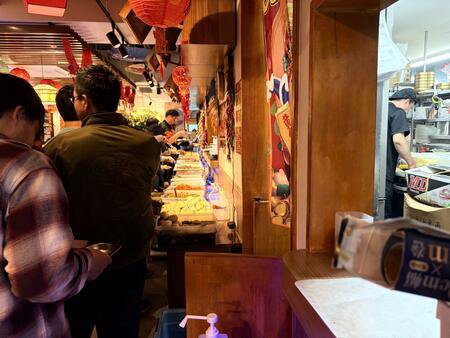
Lately, walking through the streets of Tokyo or Osaka, you've probably been hearing the term "Gachi-China" a whole lot more. It's moved beyond just being another category of ethnic food and is seriously becoming a new pillar of Japan's food culture. But when it comes time to actually pick a place or decide what to eat, the sheer amount of info out there can be more overwhelming than helpful.
So, here’s my take – a deep dive into the cutting edge of the "Gachi-China" scene and how to enjoy it without fail, even if you're a first-timer. We'll chat about how "Shin-Okubo" has transformed in recent years and uncover some deeper, lesser-known spots. Read it like you're getting the inside scoop from a local buddy who's been there, done that.
It's Not "For Japanese Tastes"—It's The Real Deal
The reason they call it "Gachi-China" is all about that authentic, hardcore vibe. Menus might have Japanese in small print on the side, or they might be Chinese-only. It's totally normal for the staff to speak more Chinese than Japanese. But honestly, that's what makes it so incredibly real.
Ikebukuro and Ueno are still buzzing, but the hottest spot right now has to be Nishikawaguchi. It's totally shaken off its old image and turned into what feels like a real microcosm of China. You've got places specializing in Peking duck, shops run by guys from Xi'an making legit Biang Biang noodles from scratch. It's literally like being on a local food tour of China without leaving Japan.
3 Golden Rules for Getting the Most Out of "Gachi-China"
For anyone stepping into the world of Gachi-China for the first time, here are my personal golden rules to live by.
- Don't Just Trust the Reviews, Trust Your Gut: Sure, places with high ratings on Japanese review sites can be good, but the real hidden gems are blowing up on Chinese social media (like WeChat or Little Red Book). Here's a foolproof test: stand outside a place. If 90% of the chatter you hear inside is Chinese, it's a guaranteed win. Don't overthink it—just walk in.
- Judge the Chef by Their Signature Dish: The classic move at any spot is to order the simplest, most fundamental dish first. At a Sichuan place, that's Mapo Tofu. At a Xi'an joint, it's the Lamb Biang Biang noodles. If they nail that, you can be pretty sure everything else on the menu is solid.
- Forget the Phrasebook, Use a Smile and Point: Don't sweat it if you can't speak the language. Pointing at what you want on the menu, or pointing at what the person next to you is enjoying, works perfectly. It shows you're game, and the staff will appreciate the effort way more than if you just shove a translation app in their face. Trust me, it makes everything smoother.
The Latest Trends: Hot Pot and Dim Sum Get an Upgrade
You can't talk about the current Gachi-China scene without mentioning how hot pot and dim sum are evolving. It's not just about the traditional super-spicy broths anymore. More places are offering creative options like Tom Yum-inspired soups or herbal medicinal broths. And there's a quietly growing trend of takeout shops specializing in fresh, handmade dim sum – a whole different league from the frozen gyoza you find at the supermarket. Seriously, it's a game-changer for those nights you want something a bit special at home.
For the latest scoop, the best sources are networks of regulars (like us who are always out exploring) or local free papers in these neighborhoods. If you're thinking of starting your own Gachi-China guide, the first step is just getting out there. You'll never find the real fun stuff by just chasing info online.
Find Your Spot, Make It Your Own
Talking about "how to use Gachi-China" sounds a bit formal. Really, it's just about figuring out how it fits into your life. Maybe it's your go-to for a hearty weekend lunch. Or maybe it's your spot after work, where you can grab a quiet corner, enjoy a beer with some grilled dumplings (though, for the record, boiled dumplings are often the real deal here too).
It might feel a bit intimidating at first. But once you step inside, you'll find yourself in a place that's undeniably Japan, yet feels like a little pocket of China. This whole "Gachi-China" movement isn't just about adding more food options. It's about injecting a little adventure and excitement into your everyday life. So, how about this weekend? Instead of hitting that same old chain spot, why not duck under the noren curtain at that intriguing Gachi-China place near the station?