The Rise of "Gachi-Chūka" in Japan: Your Guide to Authentic Chinese Spots
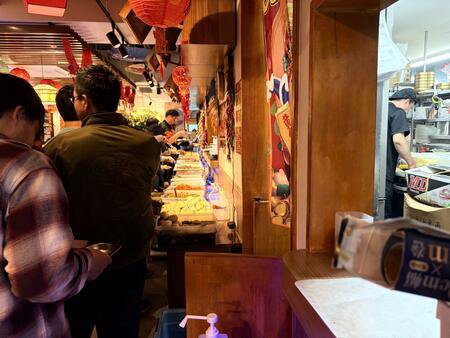
Lately, you can't walk through the streets of Tokyo or Osaka without hearing the term "Gachi-Chūka." It's moved way beyond just another type of ethnic cuisine and is quickly becoming a staple of Japan's food culture. But with all the buzz, knowing where to start and what to eat can be a bit overwhelming.
So, here's my take on the ins and outs of the "Gachi-Chūka" scene and how to nail it, even if it's your first time. We're talking about everything from the evolution of "New-Ōkubo" to some proper hidden gems. Think of this as a chat with a mate who's been there and done that.
Forget "Japanese-style" Chinese, This is the Real Deal
The "Gachi" in Gachi-Chūka is all about its authenticity. Menus might have Japanese in small print, or sometimes it's Chinese only. It's totally normal to hear more Chinese than Japanese from the staff. But honestly, that's what makes it so incredibly real.
Ikebukuro and Ueno are still awesome, but the current hotspot has to be Nishikawaguchi. It's completely shaken off its old image and become a kind of "miniature China." You'll find places specialising in Peking duck, and spots run by owners from Xi'an making authentic hand-pulled Biang Biang noodles. It's basically a local food tour of China without leaving Saitama.
3 Golden Rules for Getting the Most Out of Gachi-Chūka
If you're new to the game, here are my top tips for diving in.
- Trust your nose more than the reviews: Sure, check Japanese review sites, but the real legends are often buzzing on Chinese social media like WeChat or Little Red Book (RED). If you stand outside a place and 90% of what you hear inside is Chinese, it's a dead-set winner. Just walk in.
- Judge the chef by their classic dish: The trick is to order the simplest thing on the menu first. At a Sichuan place, that's mapo tofu. At a Xi'an joint, go for the lamb Biang Biang noodles. If they nail that, you know everything else on the menu will be spot on.
- Communication? Smile and point: Don't stress if you can't speak the language. Just point at what you want on the menu, or better yet, point at what looks good on the person's plate next to you. It works a treat, and the staff will appreciate you giving it a go. Honestly, it's way smoother than fumbling with a translation app.
Next-Level Hot Pot and Dim Sims
Two big things in the Gachi-Chūka scene right now are hot pot and dim sims, but not as you know them. Sure, you've got your classic spicy broths, but places are now serving up Tom Yum-inspired soups and herbal ones too. And there's a whole quiet trend of takeaway spots selling fresh, handmade dim sims – a world away from the frozen stuff at the supermarket. They're a game-changer for a bit of luxury at home.
For the latest goss, your best bet is chatting with regulars you meet on the ground or grabbing a local free paper. If you're keen to start your own Gachi-Chūka guide, you've just got to get out there. You won't find the real experience by just scrolling online.
Find Your Own Local
It might sound a bit much to talk about a "how to use Gachi-Chūka," but it's really about fitting it into your life. Whether it's a big weekend feed, or ducking in after work for a beer and some fried dumplings (though, fun fact, boiled ones are often the classic move), it's up to you.
It can feel like a big step at first. But once you're through the door, you'll find yourself in another China, right here in Japan. This whole Gachi-Chūka thing is more than just food variety – it's about bringing a bit of adventure and excitement into your everyday. So, next weekend, why not skip the usual chain and duck into that interesting-looking Gachi-Chūka spot near your station?