The Robotaxi Era Dawns: Tesla, Baidu's Apollo Go, and the Nissan-Uber Tokyo Trial – How Will Autonomous Driving Reshape Our Future?
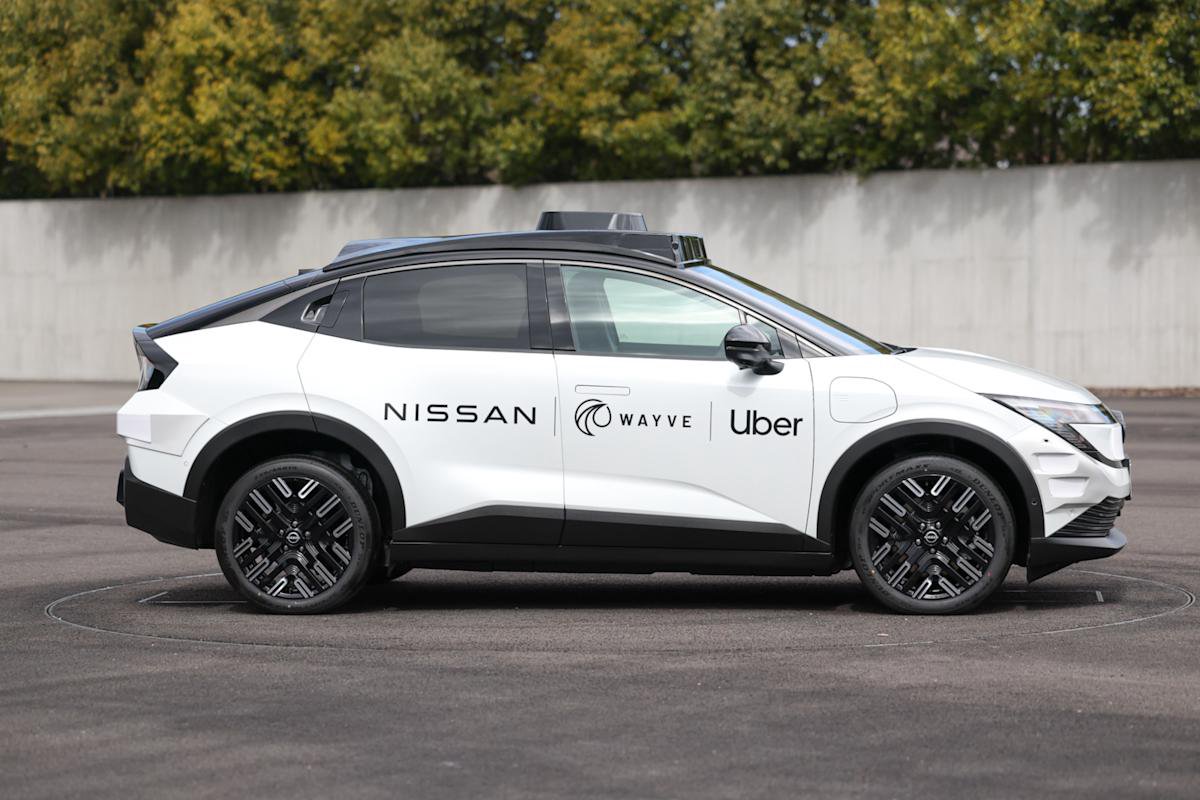
Nissan and Uber's Tokyo Trial: Robotaxis Land in Asia
The biggest buzz in tech right now? It has to be the rise of the robotaxi. It's not just Elon Musk talking up Tesla's ambitions; traditional car manufacturers and tech giants are all jumping into the ring. The latest move sees Nissan teaming up with Uber, and bringing in Wayve—the UK-based AI powerhouse with next-level vision tech—to launch a robotaxi pilot service on the streets of Tokyo. Word is, it took a fair bit of negotiation to lock in this three-way deal: Nissan provides the vehicles, Uber handles the platform, and Wayve integrates its core AI algorithms. It's a clear signal they're planting a flag in the Asian market, and a seriously strategic play following the developments in the US.
Tesla Robotaxi vs. Baidu Apollo Go: Two Different Roads
As for the Tesla Robotaxi, while Elon's timelines have a habit of slipping, industry insiders know they're quietly working on a plan to turn their existing fleet into money-making assets—imagine your own car earning you cash while you're at work. But there are huge hurdles to clear, particularly with regulators. Over in China, Baidu's Apollo Go is already a common sight in cities like Beijing and Wuhan, and it's scaling up fast. Baidu has spent over a decade in this space, amassing a staggering amount of real-world driving data. I often tell my mates their smartest move was prioritising safety from day one. They've even borrowed a page from the Pentagon's playbook with a bug bounty program, inviting global hackers to probe the system for weaknesses, ensuring the robotaxis run smoothly. Locking down the defence first is what gives passengers genuine peace of mind.
How Do Autonomous Vehicles Make Decisions? From Driving Decisions to the NASCAR Link
But at its core, for a robotaxi to navigate smoothly, it all comes back to one fundamental question: how does an autonomous vehicle perceive the world and make decisions? This is precisely where the tech wizards at Wayve excel. They've moved away from traditional high-definition maps, using machine learning to let the car understand its surroundings in real-time, almost like a human driver. A new book, Driving Decisions: How Autonomous Vehicles Make Sense of the World, breaks down the logic behind this tech—from the camera capturing an image to the algorithm deciding whether to accelerate or brake. It's a process infinitely more complex than anything you'd face in a racing game. Speaking of racing, you might think NASCAR leaps into the 21st century is just about the sport itself. But it actually mirrors a massive trend across the entire automotive world: data, decision-making, and speed. NASCAR's recent push to integrate sensors and real-time data analytics helps drivers make split-second, high-stakes decisions—a concept that's remarkably similar to the decision-making algorithms in a robotaxi. The future of mobility might just feel like a race: efficient, precise, but ultimately safer than driving yourself.
Here’s a quick rundown of the main players in the robotaxi space right now:
- Tesla Robotaxi: Leverages its existing fleet via software upgrades. It's an asset-light model, but faces significant regulatory roadblocks.
- Baidu Apollo Go: Powered by Chinese innovation, massive real-world testing data, and supportive local policies. Its operational area is constantly growing, and it's already a regular transport option in Beijing.
- Nissan + Uber + Wayve: A powerful international alliance combining a car manufacturer, a mobility platform, and cutting-edge AI. The Tokyo pilot is a crucial testing ground, showing how they plan to navigate one of Asia's busiest metropolises.
It's clear that competition in the robotaxi space is only going to heat up in the coming years. As the tech matures and regulations catch up, the way we get around could be completely transformed. One day, you might not need to own a car at all—just summon an autonomous taxi on demand, for a fraction of the cost of running your own. There's still a way to go, but for the first time, the future feels like it's just around the corner.