The Era of Fierce Competition in Robotaxis Arrives! Tesla, Baidu's Apollo Go, Nissan-Uber Tokyo Pilot – How Will Autonomous Driving Decisions Reshape Future Mobility?
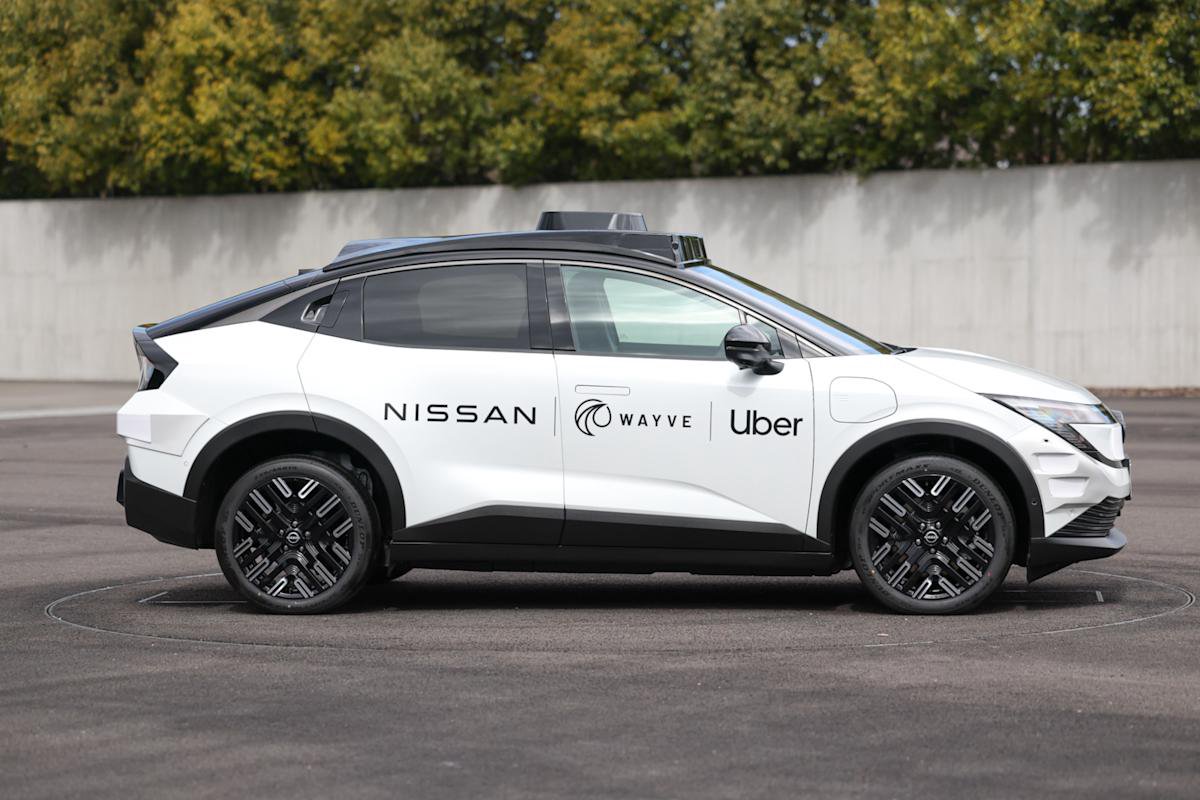
Nissan & Uber Tokyo Pilot: Robotaxi Lands in Asia
One of the hottest topics in tech right now has to be the Robotaxi. It's not just Elon Musk's Tesla constantly talking about it; traditional automakers and tech giants are all jumping into this arena. The latest development is Nissan teaming up with Uber, and the AI vision experts at Wayve, to officially launch a robotaxi pilot service on the streets of Tokyo. Word is, it took quite a while to finalise this three-way partnership – Nissan provides the vehicles, Uber handles the platform, and Wayve integrates its core AI algorithm. It's a clear move to plant their flag in the Asian market. This is definitely the most significant strategic deployment after the US.
Tesla Robotaxi vs. Baidu Apollo Go: Two Divergent Paths
Speaking of the Tesla Robotaxi, while Elon Musk has a bit of a 'boy who cried wolf' reputation, industry insiders know they're quietly working on turning their existing fleet into "money-making machines" – where owners can send their cars out to earn money autonomously. However, this path is riddled with countless hurdles, with regulatory approval being a particularly tough nut to crack. On the other hand, Baidu's Apollo Go is already flourishing across Beijing and Wuhan, and scaling up quite rapidly. Baidu has been immersed in this field for over a decade, accumulating a staggering amount of real-world driving data. I often tell my friends their smartest move was prioritising safety standards from day one. They even took a leaf out of the Pentagon's playbook, launching a bug bounty program that invites global hackers to help find system vulnerabilities, ensuring the robotaxis operate stably. This approach of solidifying the defences first is what truly gives passengers peace of mind.
How Do Autonomous Vehicles Make Decisions? From Driving Decisions to the NASCAR Connection
But at the end of the day, for robotaxis to run smoothly, the core issue remains: how does autonomous driving perceive the world and make decisions? This is precisely where the tech wizards at Wayve excel. They don't rely on traditional high-definition maps; instead, they use machine learning to enable the car to understand its surroundings in real-time through vision, much like a human would. A new book, Driving Decisions: How Autonomous Vehicles Make Sense of the World, delves deep into the logic behind these technologies – from cameras capturing images to algorithms deciding whether to accelerate or brake. The entire process is infinitely more complex than playing a racing game. Speaking of racing, you might think that NASCAR leaps into the 21st century is just about the sport? It actually reflects a major trend across the entire automotive industry: data, decisions, and speed. In recent years, NASCAR has introduced a wealth of sensors and real-time data analytics to help drivers make split-second,精准 judgments at extreme speeds – which is fundamentally similar to the decision-making algorithms in robotaxis. The future of mobility might just resemble a race: efficient, precise, yet safer than driving yourself.
Here's a quick summary of the major players in the robotaxi space right now:
- Tesla Robotaxi: Leverages its existing fleet, relies on software upgrades – an asset-light model, but faces significant regulatory hurdles.
- Baidu Apollo Go: Operates with 'China speed', massive real-world testing data, plus government support. Its operational areas are constantly expanding, and it's already a regular transport option in Beijing.
- Nissan + Uber + Wayve: An international alliance combining a car manufacturer, a platform, and AI technology. The Tokyo pilot is a crucial testing ground to see how they navigate one of Asia's busiest metropolitan areas.
It's easy to foresee that competition in the robotaxi space will only intensify in the coming years. As technology matures and regulations fall into place, the way we travel could be completely transformed – you might not even need to own a car anymore, with on-demand autonomous taxis costing less than maintaining your own vehicle. Of course, this all still needs time to play out, but at least now, we can see the dawn of that future.