Tropical Cyclone Narelle Intensifies and Approaches Queensland Coast | Latest News
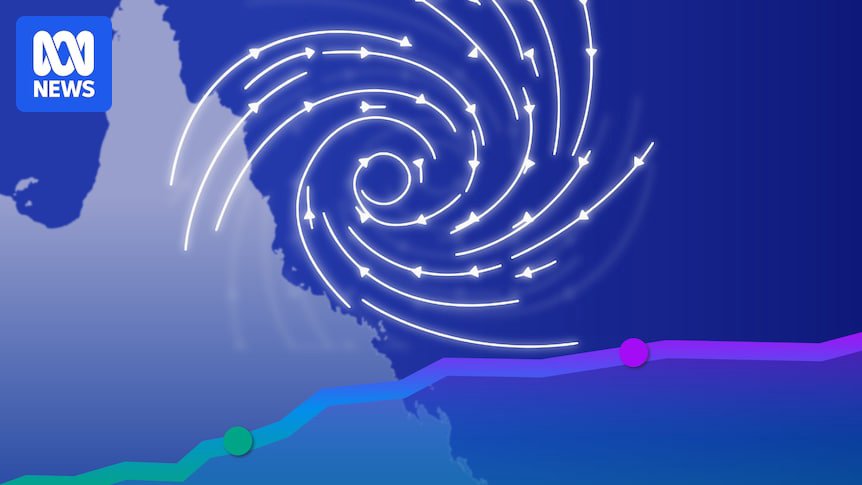
If you're in Far North Queensland, you can feel the tension building. Meteorologists are closely monitoring their charts as Tropical Cyclone Narelle churns in the Coral Sea, steadily intensifying and expected to impact the coast within the next day or so. Having witnessed a few of these systems over the years, this one has a serious feel to it. You can see it in the way locals in Cairns and Port Douglas are stacking sandbags and taping up windows.
Where is Cyclone Narelle Headed?
The latest tracking maps indicate the system is strengthening as it moves southwest. Forecast models consistently show a potential crossing between Cooktown and Innisfail, but as we know, a shift of even 50 kilometres can dramatically alter the impact on local communities. The cyclone is drawing in significant warm tropical moisture, meaning the threat extends beyond just strong winds. We're looking at extremely heavy rainfall—the kind that can turn creeks into raging rivers in just a few hours. Authorities have already issued initial flood watches for river catchments, and often, it's this flooding that causes the most damage long after the winds have subsided.
More Than Just a Weather Event
It's striking how these major weather events intersect with everything else happening in people's lives. Families are busy securing their homes, worried about their properties, and then you tune into the news and hear the political debates from down south. It was hard to miss the opposition finance spokesperson today, warning that another interest rate hike right now would be absolutely 'devastating' for households. And when you look at the shop owners up here boarding up their storefronts, you realise just how relevant that is. They're not just facing a cyclone; they're facing the clean-up and the financial pressure afterwards. The last thing anyone needs is another increase in the cost of living when they're already down. It's an incredibly tough combination.
What You Need To Do Now
If you're in the potential impact zone, you've likely already started preparations, but for anyone new to the area or needing a quick reminder—please get organised now. Don't wait for the warning siren.
- Check your emergency kit: Torch, fresh batteries, portable radio, first aid supplies. Ensure your phone and power banks are fully charged.
- Secure your property: Bring inside anything that could turn into a dangerous projectile in high winds. That means trampolines, loose outdoor furniture, potted plants—tie them down securely or move them indoors.
- Know your risk zone: Check your local council's flood and storm surge maps. Are you in a low-lying area? Do you know the safest room in your house? If you're in a vulnerable spot, have a plan to relocate to friends or family on higher ground.
The Next 24 Hours
We expect conditions to deteriorate quite rapidly from tomorrow morning. The wind will start to pick up significantly, and that's when you'll know it's serious. Rely only on official warnings from authorities like the Bureau of Meteorology and ignore the speculation floating around on social media. They are the experts at tracking these systems. I have a feeling this will be a rough one, so please look out for one another. Check on your elderly neighbours and make sure they're prepared and safe. That's how we get through moments like these—by supporting the people around us.