Severe Weather Hits the Canary Islands: Storm Therese Brings Chaos and Torrential Rain
The Canary Islands – the name usually conjures up images of sun, sand, and sea. But right now, the archipelago is showing a completely different side. For hours, Storm Therese has been raging over the islands, causing a state of emergency. The normally gentle breezes have turned into hurricane-force gusts, and the sky is unleashing torrents of water that are astonishing even for locals. It's a severe weather event in the Canary Islands rarely seen this early in the year.
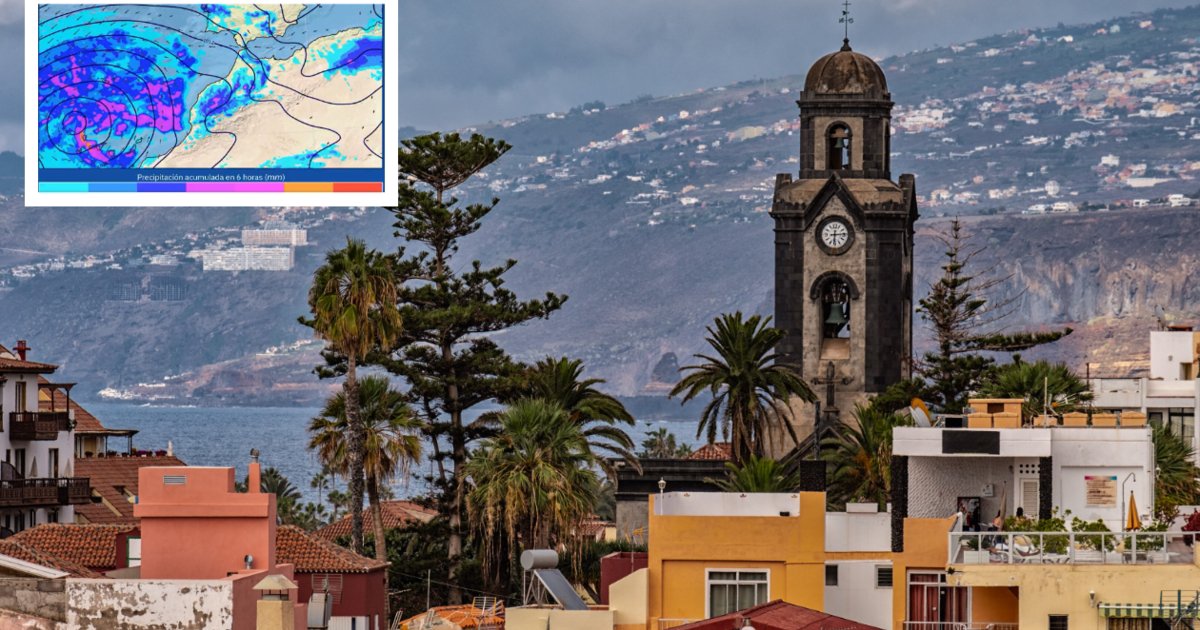
Storm Therese: The Islands in a State of Emergency
What has been brewing over the Atlantic has a name: Therese. And this storm means business. On Tenerife, Gran Canaria, Lanzarote, and the neighboring islands, the initial damage assessment is in – and it's severe. Schools remain closed, public parks and beaches are off-limits, and authorities have urgently asked residents to stay indoors. Emergency lines were flooded with calls, mainly due to downed trees and flooded roads. Air traffic has also been impacted, with several flights cancelled or diverted. It's a level of chaos usually reserved for news reports about distant hurricanes, now hitting these holiday paradises directly.
Extreme Rain Predicted: Up to 300 Litres per Square Metre
Meteorologists had forecast it, but the reality is surpassing the predictions. In the higher altitudes of the islands, up to 300 litres of rain per square metre are expected. To put that in perspective, that's more than some regions of Europe see in an entire year. The sheer volume of water is carving its way down to the valleys, sweeping up debris and turning normally dry stream beds into raging torrents. The islands of La Palma, El Hierro, and the northern sides of Tenerife and Gran Canaria are particularly hard hit. What makes this Canary Islands storm so treacherous is the combination of rain and wind – gusts exceeding 100 km/h are common.
Quick Guide: How to Stay Safe During the Storm
For anyone currently on the islands or planning to travel, here are the essential safety tips – a mini survival guide for the storm:
- Stay indoors! It sounds simple, but it's the most important thing. Roads are slick, branches can snap, and the gusts are dangerous.
- Avoid coastal areas. Waves are reaching up to six metres high, and the sea spray is causing hazardous flooding on coastal roads.
- Follow instructions from local authorities. In Spain, they're called Protección Civil – if they issue an evacuation order, it's time to move immediately.
- Check weather apps and news regularly. The situation changes hourly, and you don't want to unknowingly drive into a closed-off zone.
This kind of severe weather in the Canaries is nothing to sneeze at – but by being smart, you can stay safe.
What's Next? The Forecast for the Coming Days
The good news: Storm Therese won't last forever. Starting tomorrow, the rain is expected to gradually ease up, and by the weekend, the typical Canary Islands weather should return – plenty of sunshine with pleasant temperatures around 22°C. Until then, it's a matter of hunkering down. While island residents are used to a bit of weather, a look at the current storm situation shows this is one of the most intense episodes in recent years. Authorities are also taking stock: fortunately, no injuries have been reported so far, but the property damage is extensive.
So, if you're flying to the Canaries in the next few days, it's a good idea to check with your airline beforehand and maybe hold off on booking that rental car just yet. Nature is showing its full force here – and it commands respect. We'll keep you updated on how the Canary Islands storm develops.